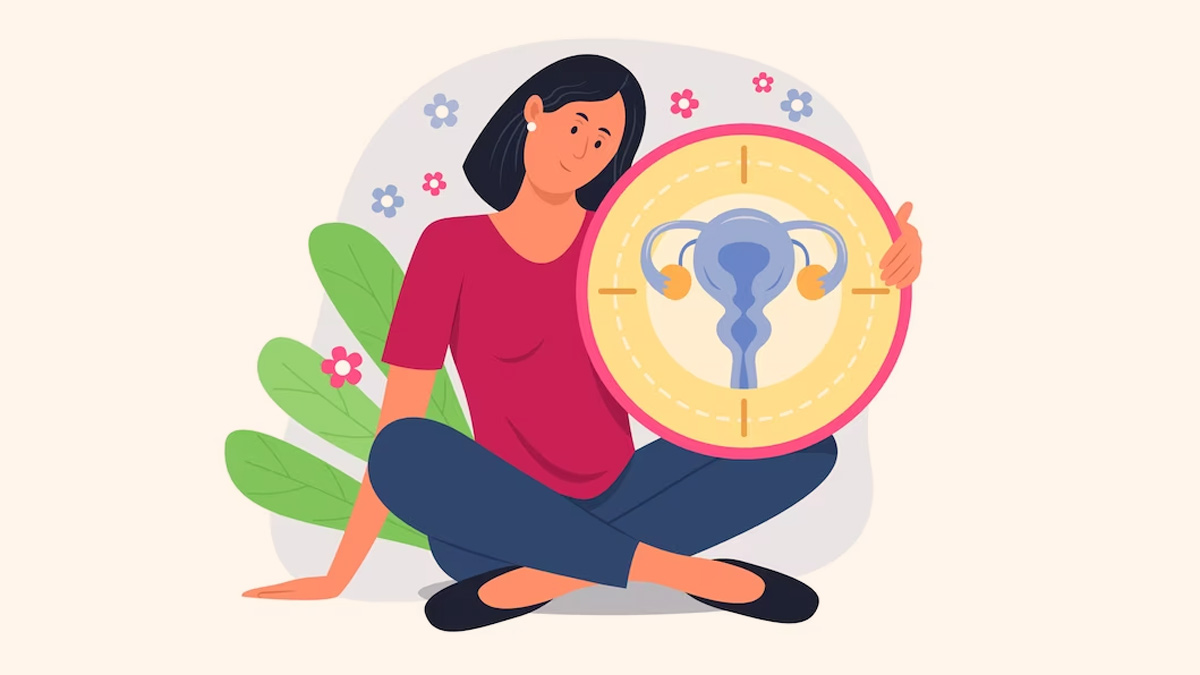
Founder of Daurama Foundation, Samira Buhari, has said a young adolescent girl’s first menstrual experience should never arrive as humiliation, but rather as an opportunity for mentorship, education and awareness.
She said menstruation should not begin with panic in a classroom, a sweater tied tightly around the waist, or the terror of a stain spreading across a school uniform.
“It should not be greeted by silence, shame, and the sudden discovery that the world has rules for her body that nobody thought to explain. And yet, for too many girls in Nigeria, this is exactly how menstruation begins — not as a fact of life, but as a private ordeal,” she said.
Buhari noted that she understands that fear personally.
“I have spoken publicly about hiding my first period out of fear. It is a memory that has stayed with me for years, not because menstruation is shameful, but because the shame around it was made to feel natural. It was inherited, rehearsed and enforced,” she said.
She explained that through the work of the Daurama Foundation and the young women supported under the Samira Buhari Mentorship Programme, she had witnessed how deeply menstrual stigma still persists.
“We recently asked a simple question through our Menstrual Hygiene Day campaign: My First Period: What Could Have Been Different? The answer is painful in its simplicity almost everything.”
Ahead of Menstrual Hygiene Day, Buhari called on Nigerians to stop treating menstruation as a subject reserved for whispers.
“Menstrual health is not a side issue. It is not an annual talking point to be dusted off every May and forgotten by June. It sits at the centre of dignity, education, public health, and equal citizenship,” she stated.
According to her, a country that claims to care about girls cannot remain indifferent to realities that force many of them out of classrooms, confidence, and opportunities every month.
Citing recent findings on menstrual health and hygiene in Nigeria, she noted that 26 per cent of girls had no knowledge of menstruation before their first period, while only 19 per cent received menstrual health education in school.
She added that about 30 per cent of girls reported that their schools lacked private toilets or spaces where they could safely change menstrual materials, while only nine per cent said disposal bins were available in girls’ toilets.
We’ve got the edge. Get real-time reports, breaking scoops, and exclusive angles delivered straight to your phone. Don’t settle for stale news. Join LEADERSHIP NEWS on WhatsApp for 24/7 updates →
Join Our WhatsApp Channel