
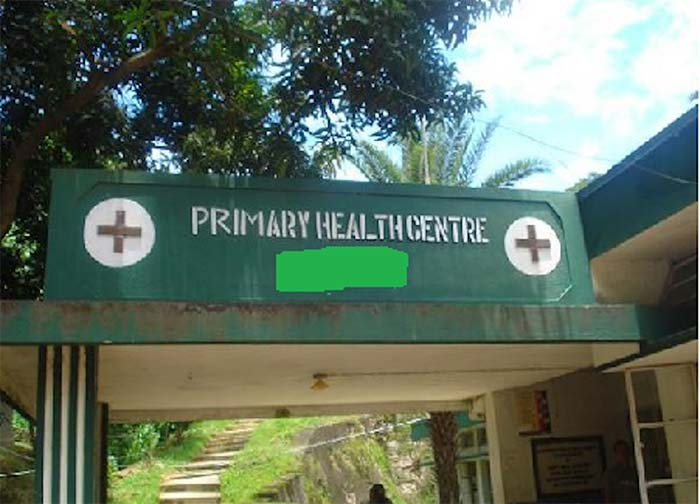
The federal government has received 371 newly solar-powered Primary Health Care centres across the country, following the completion of a $9 million Gavi-UNICEF solarisation project to strengthen immunisation services, improve maternal care and provide uninterrupted power to frontline health facilities.
At the handover ceremony at the Apo Primary Health Care Centre yesterday in Abuja, the coordinating minister of Health and Social Welfare, Prof. Mohammad Ali Pate, who received the facilities on behalf of the federal government, said the project demonstrates how strong global partnerships can directly transform healthcare delivery for millions of Nigerians.
He commended Gavi, the Vaccine Alliance, UNICEF, the World Health Organisation (WHO), the World Bank and other partners for collaborating closely with the National Primary Health Care Development Agency (NPHCDA) and state governments to bring the project to fruition.
The minister said the initiative aligns with the broader reforms of the Bola Ahmed Tinubu administration, which prioritises partnerships that deliver measurable benefits to citizens.
“This is a manifestation of how alliances and partnerships can come together to build systems that truly serve the people,” Pate said.
He noted that reliable electricity in PHCs will significantly improve vaccine storage through stronger cold chain systems, keep health workers available at all hours and support the storage of essential medicines.
The solar systems, he added, will also improve internet connectivity, data reporting and digital health services, further strengthening the country’s health infrastructure.
Beyond improving health services, Pate said the installations will also benefit surrounding communities, as solar-powered lighting around PHCs can help improve security and reinforce the centres as community hubs.
“This strengthens immunisation, supports new vaccine introductions and helps us reach communities with zero-dose children,” he said, adding that the project advances government commitments to child and maternal health under Nigeria’s health sector reform agenda.
A representative of Gavi, Edna Harimenshi, on behalf of the chief executive officer, Dr Sania Nishtar, described the project as a major step toward strengthening Nigeria’s immunisation system and closing persistent coverage gaps.
She noted that Nigeria has made substantial progress in routine immunisation over the last decade through sustained collaboration with global health partners.
Gavi highlighted an increase in DTP3 vaccine coverage which protects against diphtheria, tetanus and pertussis—from 27 per cent in 2001 to 67 per cent in 2024, based on WHO/UNICEF estimates. The alliance also disclosed that it has invested more than $2.4 billion in Nigeria’s immunisation system over the past 20 years.
Earlier, the mandate secretary for Health Services and Environment in the Federal Capital Territory Administration (FCTA), Dr Adedolapo Fasawe, described the intervention as a crucial step toward expanding access to quality healthcare for vulnerable communities.
She stressed that reliable electricity is essential for maintaining vaccine cold chains, conducting diagnostics and ensuring safe maternal and newborn services.
We’ve got the edge. Get real-time reports, breaking scoops, and exclusive angles delivered straight to your phone. Don’t settle for stale news. Join LEADERSHIP NEWS on WhatsApp for 24/7 updates →
Join Our WhatsApp Channel