
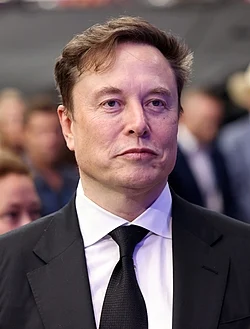
Google has entered into a landmark cloud computing agreement with Elon Musk-led SpaceX, committing about $30 billion over three years to secure additional computing capacity for its expanding artificial intelligence operations.
According to regulatory filings, Google will pay SpaceX about $920 million monthly from October 2026 to June 2029 in exchange for access to advanced computing infrastructure powered largely by Nvidia chips.
The deal is among the largest AI infrastructure agreements announced this year and highlights growing competition among global tech firms to secure computing power for next-generation artificial intelligence systems.
Under the arrangement, Google will gain access to roughly 110,000 Nvidia graphics processing units (GPUs), along with memory chips, processors and related hardware needed to support large-scale AI workloads.
Industry estimates indicate the infrastructure could deliver over 100 megawatts of computing capacity, sufficient for training and running advanced AI models and enterprise applications.
Google said the deal is aimed at meeting rising demand for its AI services, including Gemini Enterprise and its expanding suite of AI agents.
The agreement comes amid severe global demand for AI infrastructure, with supply still lagging behind needs across the tech sector. Alphabet Inc. recently disclosed that Google Cloud’s backlog of contracted but unrecognized revenue had exceeded $460 billion.
The contract allows Google to terminate the agreement if SpaceX fails to provide access to the agreed Nvidia chips by September 30, while both parties retain the option to end the deal with 90 days’ notice.
The arrangement is not SpaceX’s first major computing deal, following a similar multi-billion-dollar agreement with AI firm Anthropic.
The deal also reflects the complex relationship between Google and SpaceX, which combines cooperation and competition. Google holds an estimated 5 per cent stake in SpaceX, while both firms continue to compete in key segments of the global AI market.
Beyond cloud computing, both companies have reportedly explored collaboration on experimental orbital data centres as part of future space-based AI infrastructure.
SpaceX entered a regulatory quiet period in December 2025, a move widely seen as preparation for a potential initial public offering (IPO) expected in 2026.
Elon Musk currently holds billions of shares in the company, alongside stock options that could significantly increase his wealth if SpaceX achieves a projected multi-trillion-dollar valuation.
We’ve got the edge. Get real-time reports, breaking scoops, and exclusive angles delivered straight to your phone. Don’t settle for stale news. Join LEADERSHIP NEWS on WhatsApp for 24/7 updates →
Join Our WhatsApp Channel