Recent pronouncements from the Nigerian Financial Intelligence Unit are reminiscent of the 2016 FBI Director, James Comey’s investigation into Hilary Clinton’s private servers ahead of the 2016 presidential election in the United States.
Many pundits believe it helped swing the election in Donald Trump’s favour.
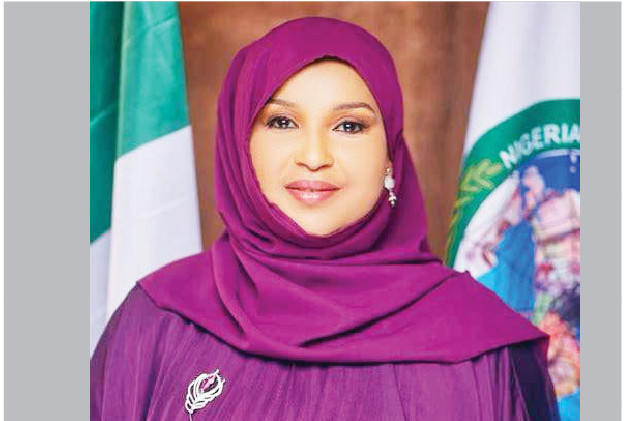
Here in Nigeria, Hafsat Bakari, Director of NFIU, appears to have thrown herself and the agency she heads right into the middle of a political contest that will determine Nigeria’s future.
Just in time for the kick-off of electioneering campaigns, the clampdown on suspicious transactions within the banking and financial system.
NFIU, in just the last few weeks, has warned that terrorists and their financiers are increasingly exploiting crowdfunding platforms, social media, and informal financial channels to raise funds. The warning is legitimate and disturbing. But it also raises a difficult question for Nigeria’s emerging political economy: will the fight against terrorist financing make legitimate crowdfunding a casualty?
While the unit says it is focusing on the movement of illicit funds by terrorists, kidnappers, drug traffickers, cybercriminals, and other criminal gangs, the timing of recent announcements could not be more auspicious, at least for the ruling APC.
According to the Head of Strategic Communications at the NFIU, Aishatu Bantam, the NFIU analysis for 2025 showed there were 42,082 Suspicious Transaction Reports and 10,513 Suspicious Activity Reports were also submitted during the year.
NFIU’s renewed clampdown on money laundering and whatever it deems as suspicious transactions is not necessarily good news for the opposition. That is if we are to go by recent political events in the country, particularly the initial attempt by EFCC to freeze the accounts of the Osun State ahead of last month’s governorship election.
The experience of the 2023 general elections suggests that Nigerians in the diaspora played a major role in funding and building the Labour Party presidential campaign.
They committed to raising $150 million through a crowdfunding effort for Peter Obi. The figure generated enormous public attention, although Obi later denied that his campaign received the money.
Technology has fundamentally changed how Nigerians can participate financially in politics, regardless of where they live.
Even if political campaigns were not the target of NFIU, the timing and seriousness of its warning could have a chilling effect on Nigerians in the diaspora who plan to donate money to political campaigns.
There is also precedent for political money attracting the attention of security agencies. In 2018, security operatives searched the private jet of then presidential candidate Atiku Abubakar after he returned from Dubai. The incident sparked a political controversy, with his party disputing the government’s account of the operation.
Now comes the NFIU warning. Will Nigerians abroad think twice before donating to political campaigns? Will diaspora fundraising platforms face greater scrutiny?
Thousands of NGOs, charities, humanitarian initiatives, and civic groups increasingly rely on crowdfunding and international donations.
We’ve got the edge. Get real-time reports, breaking scoops, and exclusive angles delivered straight to your phone. Don’t settle for stale news. Join LEADERSHIP NEWS on WhatsApp for 24/7 updates →
Join Our WhatsApp Channel