

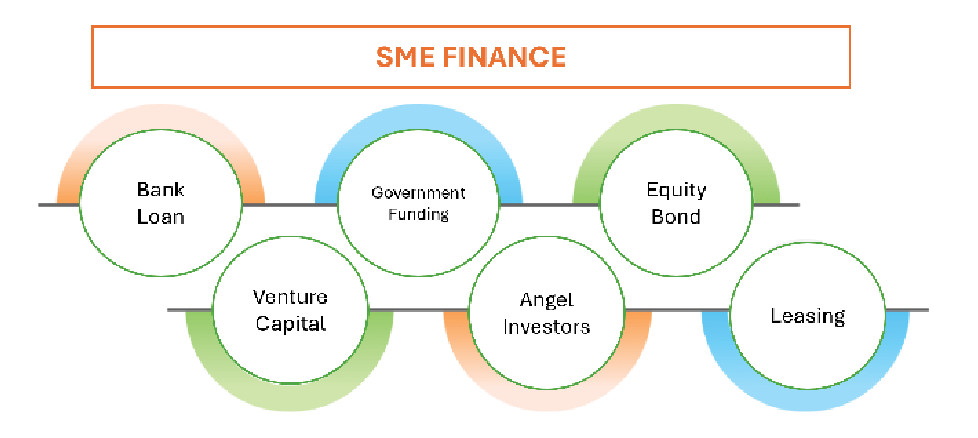
The high Monetary Policy Rate (MPR) and the inability of most small businesses to provide collateral are forcing Nigerian lenders to rethink traditional credit models, shifting from asset-backed lending to cash-flow, joint liability and invoice discounting models.
Speaking at Zitra Investments media briefing held at the weekend in Lagos, the managing director, Tunde Obadero, said lending rates remain a direct function of MPR, and while rates have moderated slightly, the current level still constrains productive SME lending.
“Interest rate is a function first of the Monetary Policy Rate. Thankfully, banking rates for lending have gone down slightly. We know that there’s still more room for improvement and we are all eagerly waiting for the day where we can see sub-20 per cent MPR and then we can see a healthier borrowing environment for our customers,” Obadero said.
He noted that “data shows less than half of businesses funded survive beyond five years, making affordable and sustainable financing critical. Like other licensed lenders, the company makes provisions for defaults in line with Central Bank of Nigeria standards, with operations monitored by regulators.”
Director, Business Development, Femi Okuyelu, said the problem goes beyond pricing, as only about 10 per cent of adult Nigerians have access to formal credit. He identified three structural barriers limiting access.
“Number one, they do not have collateral. they play in the informal sector which is not organiaed and have no credit history and credit records,” he said.
According to him, most SMEs operate without formal registration, accounting records or verifiable cash flow, making conventional collateral-based assessment unsuitable. Many resort to borrowing from family, friends, churches and cooperatives, while others fall prey to loan sharks.
To bridge the gap, Okuyelu said Zitra has adopted a Social Business model that onboards informal operators, helps them organise their businesses, monitors their cash flow and lends against it rather than against assets.
“What we have done is to monitor their cash flow and lend against their cash flow because in this environment, lending against collateral is difficult.
We need to understand their business, look at their revenue source and cash flow model,” he said.
The director, Zitra Investment, Chief Olaotan Olumuyiwa, said a major lesson from financing SMEs is the literacy gap around capital and profit, requiring continuous financial education and follow-up.
He added that many SMEs’ cash is trapped with clients, making invoice discounting a critical product, saying that the goal is to build an ecosystem that delivers financial services across the spectrum.
He said while product innovation helps, a sub-20 per cent MPR regime remains key to creating a truly affordable and sustainable credit environment for SMEs, which remain the heartbeat of commerce and industry.
We’ve got the edge. Get real-time reports, breaking scoops, and exclusive angles delivered straight to your phone. Don’t settle for stale news. Join LEADERSHIP NEWS on WhatsApp for 24/7 updates →
Join Our WhatsApp Channel