Growing up in the late 80s through the 90s, one never ran out of teenage to young adult literature books to read.
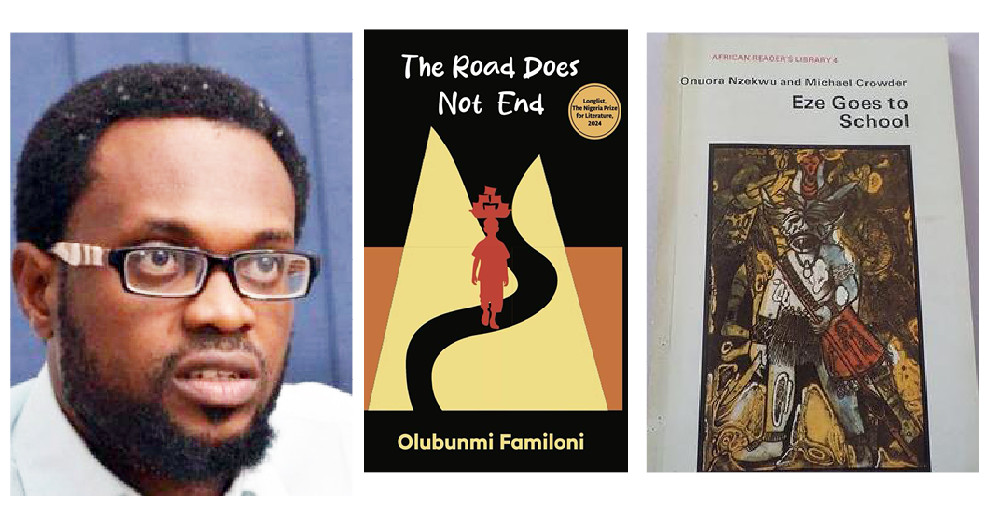
Besides the foreign classic novels like Enid Blyton’s ‘Famous Five’ series, Charles Dickens ‘Oliver Twist’ that one reads at home, the West African Examination Council (WAEC) curriculum had in its mandated readings novels like ‘Eze Goes To School’, ‘African Nights Entertainment’, ‘The African Child’, ‘Chike and the River’, ‘The Passport of Mallam Ilia’, ‘Ukwa Ruo Oge Ya Oda.’
Sometime after the 90s, Nigeria witnessed a dearth of both children’s and young adult literature. Some might even argue that young adult literature never really existed in Nigeria, and they would not be entirely wrong.
Young adult literature is literature aimed at young people aged 15 and above. It is a bridge between children’s literature and adult literature. It is not a genre of literature like Crime, Fantasy, Romance, etc. Rather, it’s a standalone literary market that addresses issues young people face, in their own language.
And this market has such a huge potential that Nigeria can benefit from. Think J.K Rowling’s global bestselling book, the Harry Potter series, or Enid Blyton’s The Famous Five Series. What about Rick Riordan’s Percy Jackson books? These are young adult works that are not only globally successful but have been adapted to the screen.
So, while a poor reading habit is one of the major causes of the dearth of young adult literature, the Nigerian literary and publishing landscape, which at one time strictly focused on ‘literary or traditional fiction’ to the detriment of other literary genres, is also to blame.
Today, the landscape is gradually changing. It began with the NLNG Prize for Literature, which began awarding a $100,000 cash prize for Children’s Literature, providing the opportunity for young adult novels like ‘The Road Does Not End’ by Familoni Oluranti Olubunmi to win in 2024.
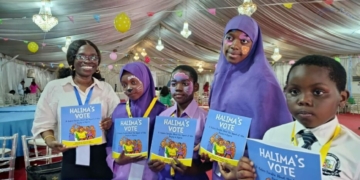
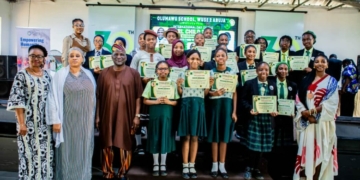
About three years ago, the former Head of the Nigerian Army, T.Y. Buratai, established the T.Y. Buratai Literary Initiative. The initiative is not only promoting reading amongst school-aged teenagers and young adults through the distribution of book boxes consisting of 40 age-appropriate books across several genres to them, but also developing writers for the young adult literature via its Young Adult Literary Prize (YALP), and making works by the winners available to Nigerian students. Thus far, two writers, Taofeek Olatunbosun and Adoo Guyur, have emerged as winners, and the prize money has increased from N1 million to N1.5 million over the past two years.
This week, the Association of Nigerian Authors (ANA) announced a new ANA/ HRM Eze M.O Kanu Prize for Young Adult Literature, which will award a N300,000 cash prize for the Best Young Adult work annually.
These quiet little steps are gradually changing the landscape of young adult literature in the country.
But a universal concern raised by educators about young adult literature borders on its literary quality.
Doctoral researcher in Literature, Linda Ackerman, proposed that teachers adopt a didactic approach to discussing YA books in their classrooms, allowing students to delve deeper into the portrayal of adolescence in YA literature.
She said, “YA literature is an extremely interesting cultural phenomenon. It appeals to young people and can help them combat declining reading habits. YA literature is shared en masse on BookTok and is the best-selling book category worldwide. They are often seen as a bridge between children’s literature and adult literature, but they are also worthy of substantive, critical, and academic attention in their own right.”
We’ve got the edge. Get real-time reports, breaking scoops, and exclusive angles delivered straight to your phone. Don’t settle for stale news. Join LEADERSHIP NEWS on WhatsApp for 24/7 updates →
Join Our WhatsApp Channel