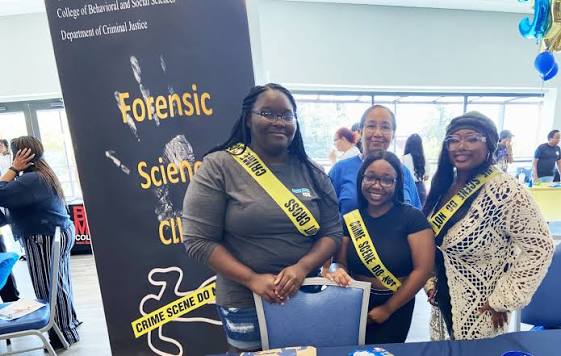
The Nigeria Forensic Institute has commenced the establishment of forensic science clubs in Federal Government Colleges across Nigeria’s six geopolitical zones.
The initiative is part of the efforts to expose young Nigerians to forensic knowledge and develop a new generation of forensic professionals.
This was revealed at a leadership workshop organised by the Nigeria Forensic Institute, Forensic Ambassadors Africa and the Forensic Ambassadors Academy, with the theme, “Forensic Science, Leadership and Volunteering for Sustainable National Development.”
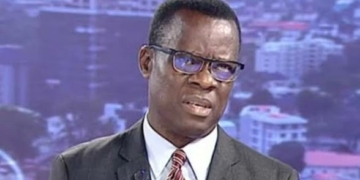
At the event in Abuja, yesterday, the vice president, Forensic Ambassadors Africa, Prof. John Boroh, said forensic science was crucial to the justice system, security agencies and society because it provided scientific methods for examining and presenting evidence.
Boroh said a forensic expert has the capacity to transform information into scientifically validated evidence that could support courts, lawyers, judges and security agencies.
He explained that evidence could not simply be presented in court without proper scientific examination and due process, stressing that forensic professionals play an important role in ensuring the reliability and integrity of evidence.
According to him, forensic evidence could also help security agencies streamline investigations and determine appropriate courses of action.
“A forensic expert is someone who has the capacity to transform information positively to support legal jurisprudence, security agencies and the entire society,” he said.
Boroh said the decision to introduce forensic knowledge to secondary school students was aimed at building early awareness and interest in the field.
He dismissed concerns that exposing young Nigerians to forensic science at an early age was premature, saying the initiative would provide students with useful knowledge and help develop their analytical and investigative abilities.
The executive secretary of the initiative, Ambassador Abraham Kwaghfan, said the establishment of forensic clubs in Federal Government Colleges would initially be implemented as a pilot programme, with one participating school selected from each of the six geopolitical zones.
Kwaghfan said the programme would subsequently be extended to other government institutions based on the outcome of the pilot phase.
He said the workshop was also part of activities marking the United Nations International Year of Volunteers in Nigeria.
According to him, the organisations behind the initiative identified a major gap in public understanding of forensic science, with many Nigerians wrongly assuming that the discipline was exclusively meant for security agencies.
“A lot of people believe that forensic is only meant for the security agencies. However, if forensic is restricted to security agencies, a lot of things will not go right,” he said.
Kwaghfan said the initiative was designed to sensitise, train and create awareness about the applications of forensic science and its benefits to individuals, the justice system and the country.
He defined forensic science as the application of scientific methods and techniques to uncover hidden truths, particularly in cases where the facts surrounding an incident or crime were unclear.
He said the weak understanding of forensic science among Nigerians had contributed to challenges within the judicial system, stressing that broader knowledge and application of forensic techniques could strengthen justice delivery.
Kwaghfan said Forensic Ambassadors Africa, which originated in Nigeria, had expanded its presence to other African countries and beyond.
He listed Benin Republic, Togo, Ghana and Côte d’Ivoire among countries where the organisation had established a presence, adding that it also had representatives in countries including Colombia, Mexico and the United States.
He said the organisation’s focus remained the promotion of forensic knowledge through public enlightenment, awareness creation, training and capacity development.
The organisers said the establishment of forensic clubs in Federal Government Colleges would provide students with an opportunity to learn about forensic science, leadership and volunteering while encouraging them to apply scientific knowledge to societal challenges.
The initiative is expected to begin with the six-zone pilot programme before consideration is given to expanding the clubs to other government-owned educational institutions
We’ve got the edge. Get real-time reports, breaking scoops, and exclusive angles delivered straight to your phone. Don’t settle for stale news. Join LEADERSHIP NEWS on WhatsApp for 24/7 updates →
Join Our WhatsApp Channel