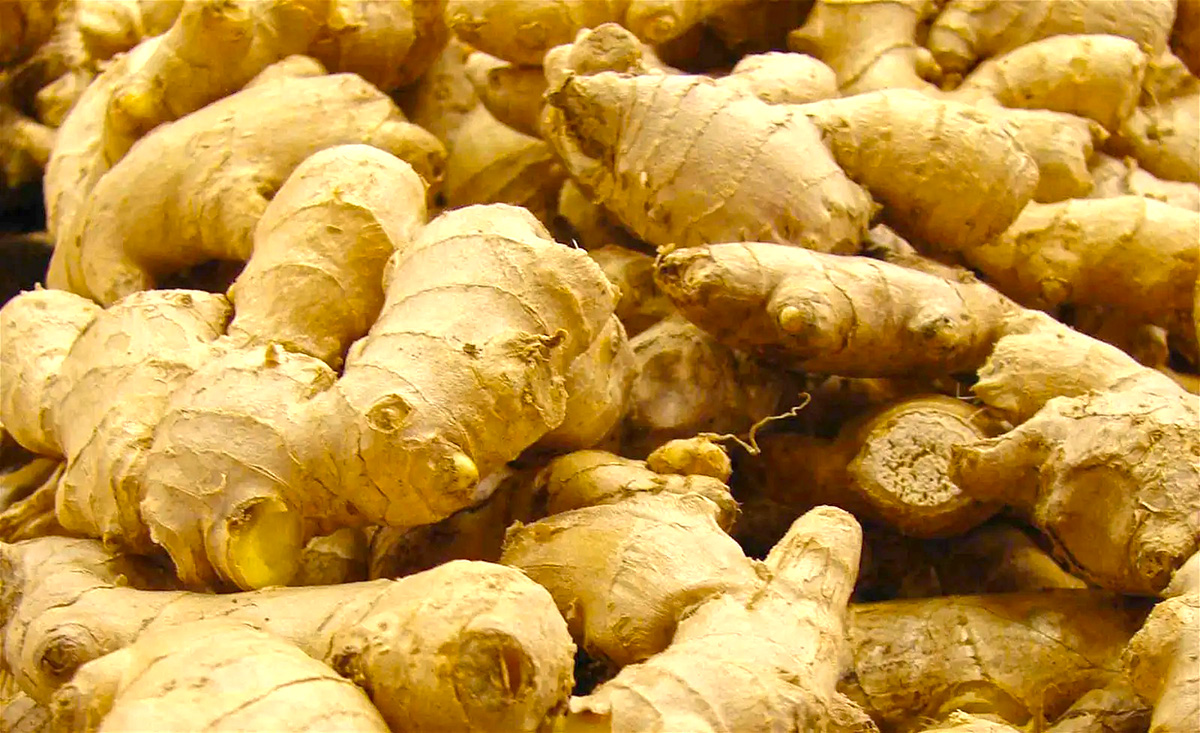
Ginger is one of Nigeria’s most valuable agricultural Exports, renowned for its superior quality and potent flavour. As the world’s third-largest producer of ginger, Nigeria holds a significant position in the global market.
Ginger (zingiber officinale) is an herbal flowering plant whose rhizome is widely used as a spice or a medicine. It is a perennial plant belonging to the Zingiberaceae family of which turmeric is also a member.
Ginger in its whole form or extract is used not only in the global cuisine industry but also in pharmaceutical and beauty industries.
The country’s ginger is highly sought after due to its high oil and oleoresin content, making it ideal for both culinary and medicinal uses. While in global ranking, Nigeria is the 3rd largest ginger producer, its Annual Production is 160,000 metric tons.
Ginger production in Nigeria is predominantly centered in Kaduna State, which is the largest producer, however, other notable producing states include Gombe, Nasarawa, and Bauchi.
Nigerian ginger is in high demand globally, particularly in Europe and Asia. The Netherlands is the largest importer of Nigerian ginger, followed by countries like the United States, India, and China and Saudi Arabia.
At a time when the government is implementing various measures to boost the agricultural sector, experts say this has provided entrepreneurs with a platform to key into the economic diversification policy of the government.
With the several agriculture oriented and export promotion policies of the government, ginger farming for export is an area that is in need of investors.
Ginger Farming
However, in going into ginger farming, there are measures to consider for a profitable harvest.
Often ginger is planted with other crops that could provide shelter as it doesn’t thrive well under direct sunlight. It also needs sufficient water, so water must be available in the environment your ginger farm is located. Manual watering can also provide water for your ginger plant.
Planting your ginger with some other plants such as peas and beans can easily provide the adequate amount of sunlight, as these plants can help in shading it from direct sunlight. Also, ginger rhizomes thrive in loose, rich and moist soil. It also loves mildly acidisc soil with a pH of 5.5 to 6.5. Loamy soil is the perfect soil for ginger farming. It also drains water which prevents the ginger plants from becoming water logged.
Cultivating ginger constantly in the same piece of land may cause low production. It is advised that after 2-3 years of frequent farming, one year break should be given to the farmland. Using organic compost will also be helpful.
Also, when planting ginger rhizomes, consider some good companions for ginger that will provide weed cover, insect repellent and natural mulch. Legumes like Peas, Chili peppers and Turmeric are especially useful as they fix nitrogen in soil for better overall plant growth.
Finally, make sure any ginger plant companions share the same growth needs as this would ensure the success of your ginger plant. The harvesting of ginger in Nigeria usually starts in October and runs all through to may. Harvesting time of ginger should be after eight to 10 months of planting.
However, if you want fresh ginger that will be used for vegetable purpose, it should be harvested after six months. Fully matured ginger has yellow leaves and dry pseudo stems. Ginger rhizomes are lifted with a digging fork or a spade. They are then cleaned of soil particles and roots.
Ginger can be stored in the fresh state or dried state. The fresh ones should be stored in a cold environment in between 10 to 15 degrees centigrade while for the dried product, it is first cleaned thoroughly with fresh water before being cut into slices to aid faster drying.
After drying, the dried ginger can either be stored as it is, or grounded into powdered form. It can be stored in either bags, glass or tin containers.
Export Opportunities
The global demand for ginger is projected to rise, driven by its increasing use in health products, culinary applications, and the pharmaceutical industry. Nigeria is well-positioned to capitalize on this growth, with ongoing investments in modern farming techniques and processing facilities.
The ginger Export sector offers lucrative opportunities for entrepreneurs and investors. With support from NEXIM and NEXA, aspiring exporters can access funding, training, and market insights to succeed in the global market.