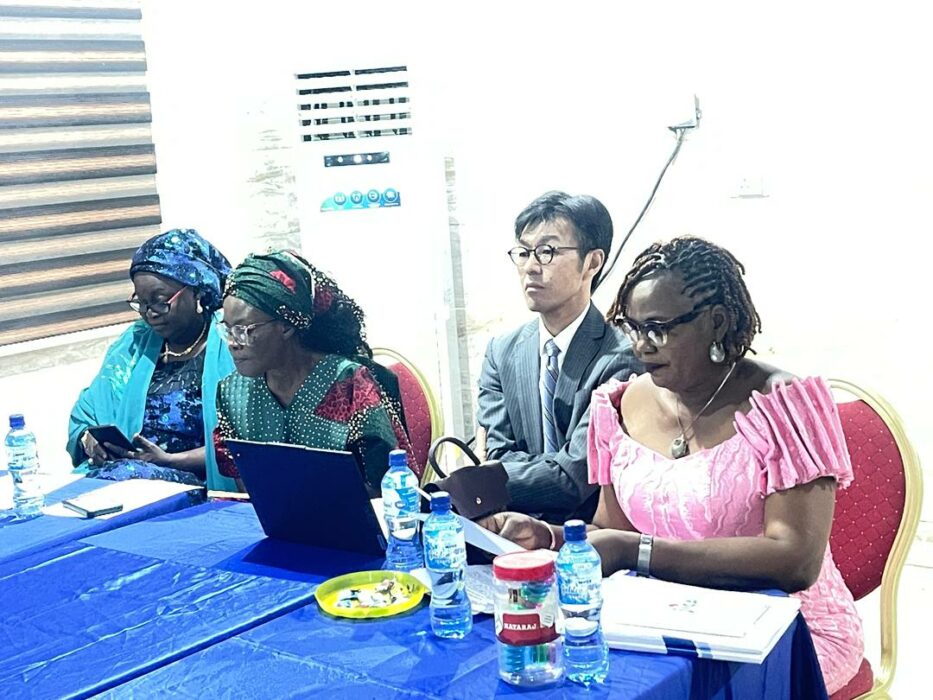
The JICA Alumni Association of Nigeria (JAAN), in collaboration with the Japan International Cooperation Agency (JICA) and key institutions in the Federal Capital Territory (FCT), has renewed efforts to end open defecation across the six Area Councils of the FCT by 2027.
The commitment was reiterated at a one-day workshop titled “Dangers of Open Defecation and Strategies for Eradication in the FCT,” organised by JAAN in Abuja.
Stakeholders at the workshop identified capacity gaps, weak community participation and inadequate sanitation infrastructure as major factors hampering ongoing sanitation campaigns of the Federal Capital Territory Administration (FCTA).
Speaking at the event, JAAN President, Mr. Ahmed Agberankhe, described the continued practice of open defecation in peri-urban and rural communities of the FCT as unacceptable, given Abuja’s status as the nation’s capital.
He said limited access to toilet facilities, poor hygiene awareness and weak enforcement mechanisms have continued to fuel the challenge.
Agberankhe stressed that stronger partnerships with the six Area Councils would help improve institutional capacity, expand sanitation infrastructure and drive community-led behavioural change, drawing on JAAN’s technical expertise and experience in community-driven sanitation programmes.
According to him, the initiative aims to achieve Open Defecation Free (ODF) status across all Area Councils of the FCT by 2027, while also developing a sustainable sanitation model that can be replicated in other parts of the country.
He added that the programme aligns with the Federal Government’s Clean Nigeria: Use the Toilet Campaign and the National Roadmap to End Open Defecation.
In a goodwill message, JICA’s Chief Representative in Nigeria, Mr. Ishigame Keiji, described the initiative as timely and people-centred, noting that improved sanitation is critical to public health, human dignity and inclusive development.
Despite Abuja’s position as Nigeria’s capital, he said sanitation challenges persist, particularly in peri-urban and rural communities.
Keiji commended the integrated approach combining infrastructure development, behavioural change and capacity building, describing it as evidence of strong local ownership and clear strategic direction.
He reaffirmed JICA’s commitment to supporting Nigeria’s efforts to achieve Sustainable Development Goal 6 on clean water and sanitation, adding that JAAN members serve as a vital link between Japan and Nigeria in translating knowledge into practical development outcomes.
Also speaking, the Acting Director of the FCT Rural Water Supply and Sanitation Directorate (RUWASSA), Mrs. Abigail Ekpensi, acknowledged that although progress has been recorded, eliminating open defecation in the FCT will require stronger collaboration, especially at the Area Council level.
She recalled that previous collaboration between JICA and RUWASSA led to the activation of 20 communities under the Community-Led Total Sanitation (CLTS) programme in Bwari Area Council, the training of WASH personnel and the construction of more than 140 improved sanitation facilities.
Ekpensi said the workshop was timely and would help strengthen collective efforts to end open defecation in the FCT, calling for increased advocacy and funding support for sanitation initiatives.
We’ve got the edge. Get real-time reports, breaking scoops, and exclusive angles delivered straight to your phone. Don’t settle for stale news. Join LEADERSHIP NEWS on WhatsApp for 24/7 updates →
Join Our WhatsApp Channel