
Some journalists have lamented the worsening impact of climate change on Abuja’s indigenous peoples.
They called on the federal and regional authorities to take proactive measures against the challenge.
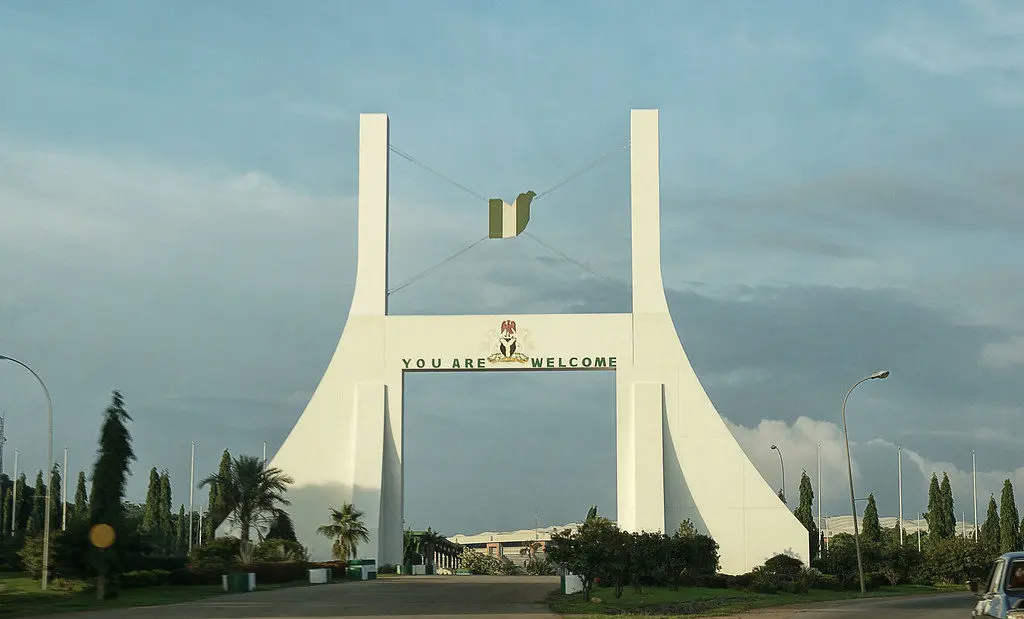
The media practitioners spoke at the workshop on “50 Years After Abuja: Climate Change and Livelihood of Abuja Original Inhabitants” (AOI) held in Lagos. The Nigerian Federal Capital Territory (FCT) was created by the military in 1976 through Decree 6 that moved the federal capital from Lagos to Abuja.
For 50 years, the indigenous peoples: Koro, Nupe, Gwari, Ganagana, Ebira and Gade, have continued to express regret that the new capital has led to the loss of ancestral land, the decimation of forests, and a depreciation in the quality of their livelihoods.
Some 30 journalists attended the event yesterday, including students from Mass Communication Departments and the Nigerian Institute of Journalism (NIJ).
In his welcome address, Mr Adewale Adeoye of the Network of Journalists on Indigenous Issues (NEJII) said the Nigerian media is noted for setting the agenda for national development, peacebuilding, and conflict prevention.
He said the issue of the neglect of Abuja’s Original Inhabitants remains a crucial agenda that should be resolved for Nigeria to be truly a democratic country.
He said in traditional societies, the land and the forest represent motherhood, without which life would be void. ‘The air we breathe, the water we drink, the trees, the plants, the flowers, the animals, the stream, the mountains and the highlands, the plain fields and the lowlands, the entire ecosystem is the pillar on which humanity derives its being and essence. The most precious resources that mankind has transformed into various resources like the aircraft, telephone, oil and gas, solid and liquid minerals all came from the environment that we live in,’ Adeoye said.
He added that, ‘It is very important for Journalists to pay attention to the environment and how it determines the success or peril of indigenous peoples. ‘Of all peoples in the world, indigenous peoples are often the greatest custodians of nature, which they have preserved and held in trust long before industrialisation and commercialisation of nature.’
We’ve got the edge. Get real-time reports, breaking scoops, and exclusive angles delivered straight to your phone. Don’t settle for stale news. Join LEADERSHIP NEWS on WhatsApp for 24/7 updates →
Join Our WhatsApp Channel