
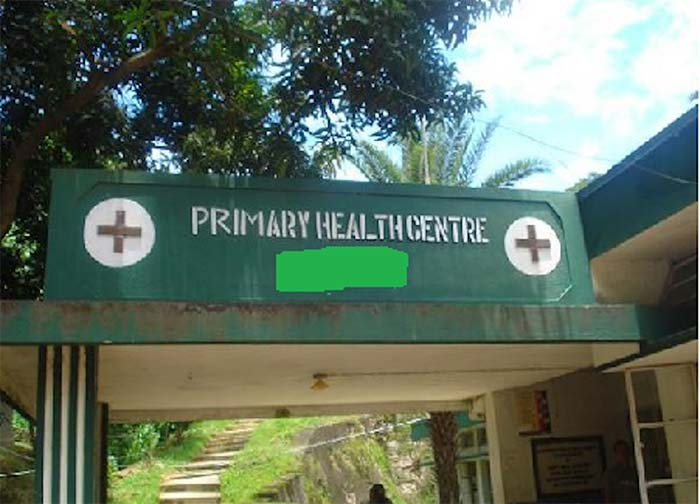
The Monitoring, Evaluation, Research and Learning (MERL) manager at EngenderHealth Consortium, Dr Abdulazeez Jumare, has declared that Kaduna State needs at least 15,000 staff members in its over 1,000 primary health centres (PHCs) to provide 24-hour e services to the residents.
Jumare stated this during a two-day media engagement workshop organised by the Kaduna State Ministry of Health in collaboration with the International Society of Media in Public Health (ISMPH), EngenderHealth Consortium partnership and Unified Health Media Network held in Kaduna to equip journalists with the skills to interpret and report Integrated Supportive Supervision (ISS) data and Primary Healthcare Facility Assessment Tool (PHC-FAT) findings.
He reaffirmed the organisation’s commitment to strengthening media capacity to support accountability and improve health outcomes through data-driven reporting.
Jumare said that the data generated from the Integrated Supportive Supervision exercise provides government agencies and stakeholders with evidence for informed decision-making and serves as a basis for dialogue to improve healthcare services.
“We have over 1,000 primary health centres (PHCs) in Kaduna State, so we are looking for 15,000 staff to bridge the gap. Currently, we are facing a shortage of 5,000 to 7,000 staff. Most of our facilities do not provide 24-hour service due to a workforce shortage. Recently, the government said it employed 1,800 staff,” Jumare added.
On his part, the assistant director of the Kaduna State Primary Health Care Board, Dr Joseph Natsah Jokshan, said the engagement would deepen collaboration between the media and the health sector and create greater public awareness of activities and services at primary healthcare facilities.
He said the workshop would also help Journalists understand the importance of reliable data in shaping health policies and management decisions, stressing that decisions based on assumptions often fail to achieve the desired outcomes.
Jokshan said journalists occupy a strategic position in informing citizens about government programmes and promoting public understanding of healthcare issues.
In his goodwill message, Chairman of the Kaduna Health Advocacy and Media Alliance (KADHAMA), Garba Muhammad, commended ISMPH and its partners for organising the capacity-building training for the journalists. Muhammad said the use of ISS data, Reproductive, Maternal, Newborn, Child, Adolescent Health and Nutrition (RMNCAH+N) indicators, and PHC-FAT scorecards would enable journalists to move beyond routine event reporting to producing impactful stories capable of influencing policy, promoting accountability, and improving primary healthcare delivery.
In his welcome address on behalf of the Executive Director of the International Society of Media in Public Health (ISMPH), Moji Makanjuola-Emefiele, Solomon Dogo described the workshop as a strategic platform for journalists and health stakeholders to examine evidence generated from primary healthcare facilities and translate it into stories that promote accountability and better service delivery.
We’ve got the edge. Get real-time reports, breaking scoops, and exclusive angles delivered straight to your phone. Don’t settle for stale news. Join LEADERSHIP NEWS on WhatsApp for 24/7 updates →
Join Our WhatsApp Channel