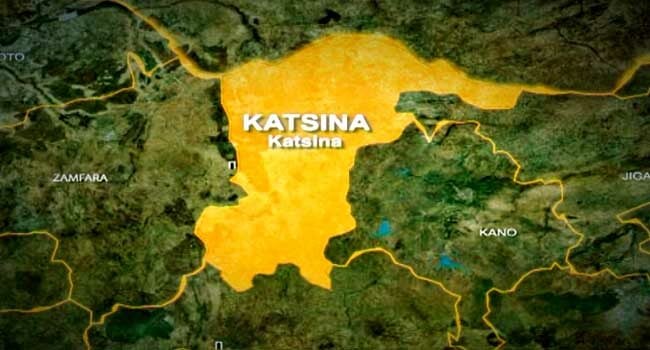
Katsina State has installed over 30 megawatts (mw) of power capacity in less than two and a half years as part of the plan to tackle energy poverty and strengthen its security.
The special adviser to the Governor on Power and Energy, Dr Hafiz Ibrahim, disclosed this in an interview with members of the Correspondent Chapel in Katsina.
He stressed the state government ‘s commitment and long-term plans in providing reliable electricity in communities through renewable energy solutions.
According to him, the administration began with a comprehensive energy roadmap developed in partnership with Power Africa, an integrated resource plan, statewide load forecasting, and an assessment of energy demand.
“We started from zero installed state-driven capacity, today, Katsina has deployed over 30 megawatts. Our studies show the state requires about 70 megawatts and above to adequately serve all communities, and at the pace we are going, we are confident of reaching that target”, he said
Dr. Ibrahim said a central feature of the reforms is the replacement of diesel-powered infrastructure with solar energy systems. Streetlights across the state are being converted from diesel and grid supply to solar-powered units, a move expected to cut carbon emissions and reduce the heavy financial burden of fuel consumption.
Major government facilities, including the Government House, State Secretariat and general hospitals have also been equipped with solar power systems and battery storage, significantly lowering dependence on diesel generators.
A key intervention focused on 11 critical government facilities, which were found to account for 93 percent of total public energy costs. The Governor approved the procurement of 20.1 megawatts of solar capacity for these facilities alone, leading to substantial savings on electricity and fuel expenses.
The renewable energy rollout extends beyond administrative buildings. Dr. Ibrahim revealed that 361 Primary Healthcare Centres, at least one per ward have been equipped with standalone solar systems to ensure round-the-clock power for medical services.
General hospitals are also being upgraded with 24-hour solar and battery systems.
In agriculture, solar-powered water pumping systems are supporting irrigation, while the education sector is benefiting from installations in higher institutions such as Umaru Musa Yar’adua University and Hassan Usman Katsina Polytechnic, as well as selected boarding schools to enable uninterrupted learning and e-education.
The State Executive Council recently approved the purchase of 200 distribution transformers of varying capacities at a cost of about $1.5 million as counterpart funding, with the distribution company covering the remaining 50 percent.
Dr. Ibrahim said the investment will improve electricity supply in underserved communities and also increase Katsina State Government’s equity share in the Kano Electricity Distribution Company (KEDCO), where the state already holds the highest share among franchise states.
He described the Electricity Act 2023 as a major opportunity for states, noting that Katsina has passed a bill to establish its own State Electricity Regulatory Commission. Once signed into law, the commission will regulate electricity matters within the state, address consumer complaints and strengthen service delivery.
Despite the progress, Dr. Ibrahim identified vandalism of power infrastructure as a serious challenge, urging residents to protect installations in their communities.
We’ve got the edge. Get real-time reports, breaking scoops, and exclusive angles delivered straight to your phone. Don’t settle for stale news. Join LEADERSHIP NEWS on WhatsApp for 24/7 updates →
Join Our WhatsApp Channel