
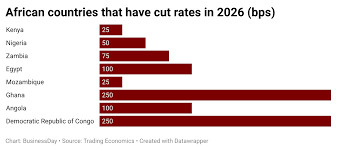
Kenya’s central bank on Wednesday brought an end to its easing cycle, holding its benchmark lending rate at 8.75 per cent as policymakers moved to assess the ripple effects of rising global energy prices triggered by the escalating Middle East conflict.
The decision by the Central Bank of Kenya follows a streak of 10 consecutive rate cuts and aligns with projections by economists in a Reuters poll, signalling a cautious shift in monetary policy amid mounting global uncertainties.
The last policy decision by the apex bank was taken in mid-February, prior to the escalation of tensions in the Middle East after the United States and Israel launched coordinated strikes on Iran, prompting retaliatory actions from Tehran and sending oil prices sharply higher.
In a statement issued after its Monetary Policy Committee (MPC) meeting, the bank said the current stance was necessary to safeguard macroeconomic stability.
“The Committee concluded that the current monetary policy stance remains appropriate to ensure that inflation expectations remain anchored within the target range, and the exchange rate remains stable,” the bank stated.
It added that policymakers would closely monitor the potential second-round impact of higher international oil prices on overall inflation, a development seen as a key risk to the country’s economic outlook.
Recent data showed that Kenya’s inflation rate edged up slightly to 4.4 per cent in March from 4.3 per cent in February, remaining within the government’s target band of 2.5 to 7.5 per cent. However, the modest increase has heightened concerns over imported inflation pressures, particularly from energy costs.
Due to the growing uncertainty, the Kenyan central bank also revised its economic growth projection downward to 5.3 per cent for the year, compared to an earlier estimate of 5.5 per cent. It noted that the ongoing Middle East crisis poses significant risks to key sectors of East Africa’s largest economy, including trade and energy.
The external sector outlook also weakened, with the bank projecting a current account deficit of 3.0 per cent of gross domestic product in 2026, up from a previous forecast of 2.2 per cent, largely due to elevated import costs linked to the conflict.
Although global oil prices dipped slightly on Wednesday following an announcement by U.S. President Donald Trump of a two-week ceasefire agreement with Iran, analysts maintain that prices remain significantly above pre-conflict levels.
We’ve got the edge. Get real-time reports, breaking scoops, and exclusive angles delivered straight to your phone. Don’t settle for stale news. Join LEADERSHIP NEWS on WhatsApp for 24/7 updates →
Join Our WhatsApp Channel