Lassa fever remains one of Nigeria’s most persistent public health challenges, exposing longstanding gaps in disease surveillance, infection control, and access to timely medical care.
Endemic in several parts of the country, the viral haemorrhagic disease resurfaces annually, with outbreaks peaking during the dry season and affecting multiple states.
First identified in 1969 in the town of Lassa in Borno State, the disease has become entrenched in the country, with seasonal outbreaks occurring between November and April.
Lassa fever, an acute viral haemorrhagic illness caused by the Lassa virus of the arenavirus family, is endemic across West Africa, including Sierra Leone, Liberia, Guinea, Benin, Ghana, Mali, and Togo.
Transmission primarily occurs through food or household items contaminated with the urine or faeces of infected Mastomys rats, a rodent species prevalent in many West African communities. The virus can also spread from person to person through contact with bodily fluids such as blood, urine, faeces, or through sexual activity.
According to the World Health Organisation (WHO), roughly 80 per cent of Lassa fever cases present with mild symptoms, fever, tiredness, sore throat, cough, and headaches. However, in about 20 per cent of infections, symptoms escalate rapidly into life-threatening conditions such as severe vomiting, diarrhea, chest or abdominal pain, difficulty breathing, bleeding, confusion, and seizures.
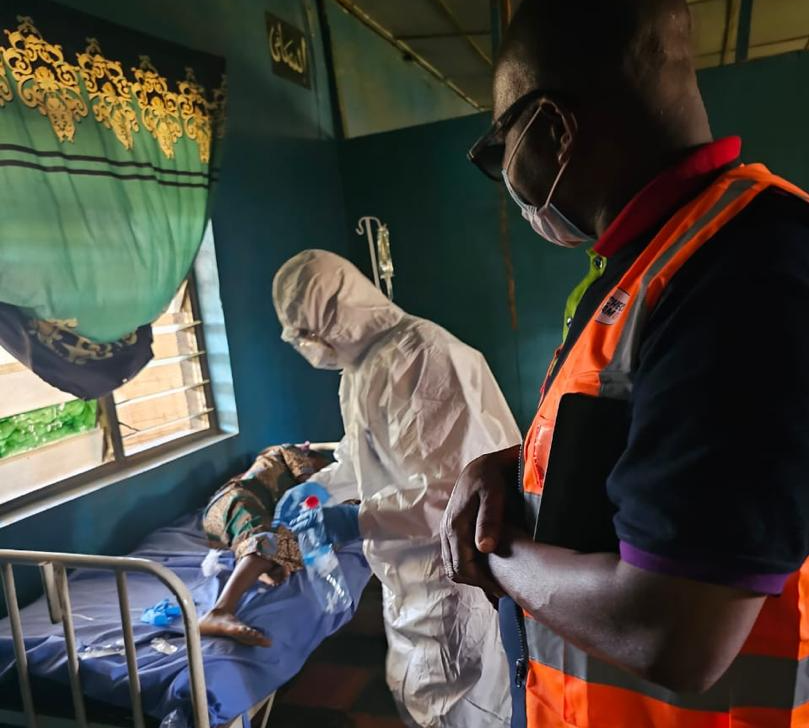
The disease is especially dangerous in health facilities where infection prevention and control practices are weak. In hospitals where personal protective equipment (PPE) is unavailable or poorly used, the virus can spread easily among healthcare workers and other patients.
Despite decades of response efforts, Lassa fever continues to claim lives and stretch the country’s already fragile health system.
This year, the Nigeria Centre for Disease Control and Prevention (NCDC) reported 1,069 confirmed cases and 195 deaths as of epidemiological week 49. The new update showed 33 new confirmed cases in week 49, up from 24 in the previous week recorded in Bauchi, Ondo, Edo, and Taraba States.
“As of week 49, the country has recorded 195 deaths from Lassa fever in 2025, representing a Case Fatality Rate of 18.2 per cent, higher than the 16.5 per cent reported during the same period in 2024,” the NCDC report stated.
So far, 21 states have reported at least one confirmed case across 103 local government areas. However, four states; Ondo, Bauchi, Edo and Taraba account for 89 per cent of all confirmed infections. Ondo leads with 36 per cent of the total cases, followed by Bauchi (24 per cent), Edo (17 per cent) and Taraba (12 per cent). The remaining 11 per cent are distributed across 17 other states.
NCDC has cautioned Nigerians against self-medication, stressing that not all fevers are malaria and that proper diagnosis remains essential to differentiate Lassa fever from other febrile illnesses.
Prevention hinges on a combination of personal hygiene, environmental sanitation, community education, and strict infection prevention and control practices in health facilities.
The Director-General of NCDC, Dr. Jide Idris, has urged Nigerians to block rodent entry points, store food in sealed containers, and avoid drying food on bare ground.
“Cover your waste bins and dispose of waste properly. Safely store food items such as rice, garri, beans, and maize in well-covered containers. Communities should also set up dump sites far from residential areas to reduce rodent infestations. Eliminate rats in homes and communities using traps and other safe methods,” he said.
While Nigeria continues to grapple with repeated outbreaks, experts insist that sustainable long-term solutions are urgently required. They call for stronger political commitment, increased research funding, and enhanced international collaboration.
Associate Professor of Infectious Disease and Genomics at Adeleke University, Dr. Kolawole Oladipo, emphasised the need for sustained investments in diagnostics, community engagement, and health system strengthening. Local research leadership, he said, must be central to Nigeria’s long-term control strategy.
He told LEADERSHIP that Nigeria must adopt a multi-sectoral, science-driven, and community-centred approach that integrates technology with traditional communication channels.
“We should leverage local health influencers, radio dramas, and social media platforms like TikTok and WhatsApp to deliver culturally appropriate messages. Training Village Health Workers to educate communities about bush burning, unsafe food storage, and harmful burial practices is also critical,” he said.
Dr. Kolawole also called for increased support for local vaccine development, highlighting efforts by institutions such as the Helix Biogen Institute and ACEGID.
Public health expert, Dr. Ozy Okonokhua, noted that environmental conditions remain a major driver of outbreaks.
“Rodents, the primary carriers of Lassa fever, thrive in dirty and unhygienic environments. Maintaining clean surroundings and properly covering food are essential to breaking the chain of transmission,” he said.
He expressed concern over the urban bias in current awareness campaigns, stressing that rural communities where the disease often hits hardest are frequently overlooked.
“Many rural residents dry their grains in the open, leaving them exposed to contamination. Without practical alternatives for food preservation, awareness alone will not suffice,” he added.
He also called for greater involvement of traditional and religious leaders in communicating health messages in local languages to ensure widespread understanding.
With both environmental and human-to-human transmission posing threats, experts warn that controlling Lassa fever requires sustained community commitment, consistent government action, and widespread adoption of early medical intervention.
We’ve got the edge. Get real-time reports, breaking scoops, and exclusive angles delivered straight to your phone. Don’t settle for stale news. Join LEADERSHIP NEWS on WhatsApp for 24/7 updates →
Join Our WhatsApp Channel