The Lagos Chamber of Commerce and Industry (LCCI) has called for urgent measures to boost Nigeria’s crude oil production to ensure adequate supply to local refineries, particularly the Dangote Refinery. It warned that failure to act could push petrol pump prices even higher.
Director-General of LCCI, Dr Chinyere Almona, said rising global crude oil prices—now around $112 per barrel—are already exerting pressure on Nigeria’s domestic fuel market.
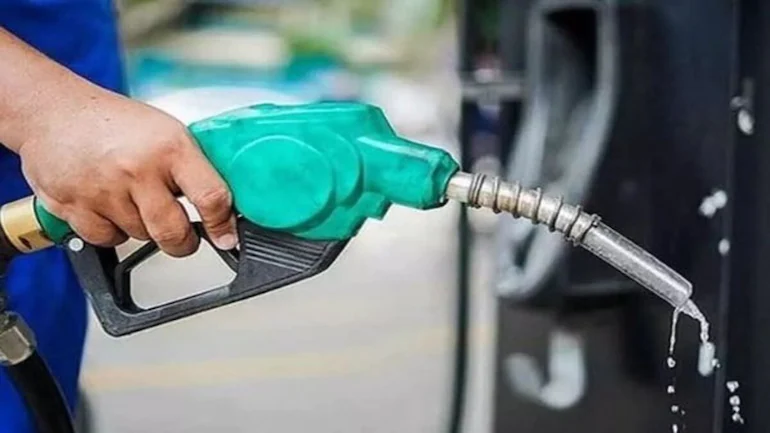
She noted that the recent increase in the gantry price of petrol to about N1,245 per litre reflects mounting cost pressures, with retail prices nearing N1,500 per litre in parts of the country.
According to her, the trend is worsening inflation across key sectors, including transportation, food supply, and manufacturing.
Almona explained that Nigeria’s fuel affordability challenge is largely driven by a supply deficit, as daily consumption—estimated at 50–53 million litres—continues to exceed domestic refining capacity.
She stressed the need for a coordinated response focused on stabilising supply rather than relying solely on price controls.
“Immediate efforts should prioritise targeted support for critical sectors such as transportation, agriculture, and SMEs, while avoiding inefficient blanket subsidies,” she said.
She added that improving crude supply to local refineries would boost production, reduce imports, and ease pressure on pump prices over time.
Almona also emphasised the need to stabilise the naira through improved foreign exchange liquidity and consistent policy direction to enhance investor confidence.
She noted that although higher crude prices could yield fiscal gains, Nigeria’s ability to benefit is limited by low production and structural inefficiencies.
“The resulting cost-push inflation is eroding industrial competitiveness and household purchasing power,” she said.
She urged the government and the Nigerian National Petroleum Company Limited to enforce domestic crude supply obligations under the Petroleum Industry Act, ensuring consistent allocation of over 300,000 barrels per day to local refineries.
She also recommended a transparent naira-for-crude framework to reduce forex exposure and production costs.
At the regulatory level, Almona called for a clear, rules-based pricing framework to reflect production realities while preventing market abuse.
She further urged the government to fast-track other modular refineries and maintain strategic imports to stabilise supply in the short term.
“With effective collaboration between public and private sectors, Nigeria can turn this challenge into an opportunity to build a more resilient and self-sufficient energy sector,” she said.
We’ve got the edge. Get real-time reports, breaking scoops, and exclusive angles delivered straight to your phone. Don’t settle for stale news. Join LEADERSHIP NEWS on WhatsApp for 24/7 updates →
Join Our WhatsApp Channel