Nigeria and Bangladesh have over the years maintained fruitful bilateral relations, with trade growing significantly to over $100 million by early 2025.
However, the dream of both nations is to improve trade and investment cooperation more significantly as there are immense opportunities to boost sectors such as agriculture, textiles, pharmaceuticals, defense, ICT among others.
One significant area of cooperation relevant for modern economic possibilities include agro-processing potential, which will add value to especially Nigerian agriculture products as both nations collaborate on economic diversification, technology transfer, and skills development for the youth in Nigeria.
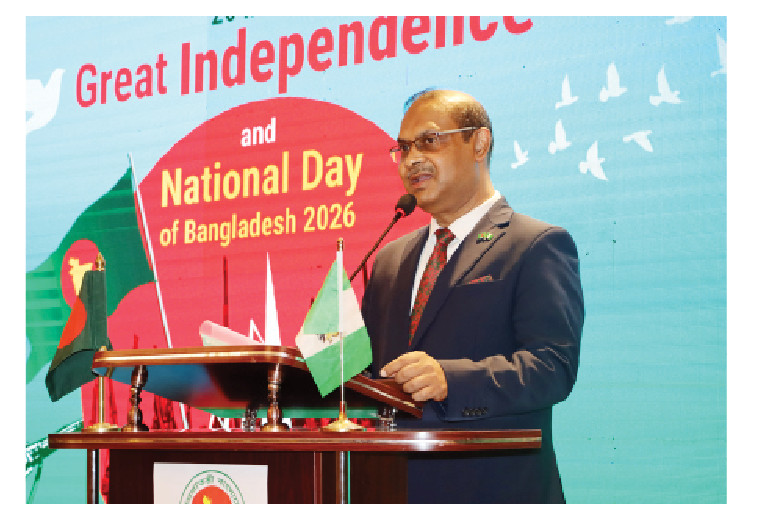
This was the expressed mission of the High Commissioner of Bangladesh to Nigeria Ambassador Miah Md. Mainul Kabir, who relished strengthening bilateral relations with Nigeria while delivering his address during events to mark the 55th Independence Anniversary and National Day of Bangladesh in Abuja on Thursday.
The Bangladeshi envoy said “bilateral trade between our two countries has grown steadily yet remains well below its true potential. Bangladesh offers competitively priced, high-quality products in textiles and garments, pharmaceuticals, ceramics, jute goods, processed foods, and ICT services.
“Nigeria, with its vast market, energy resources, and agricultural depth, presents significant opportunities for bilateral trade. Contract farming in agriculture is a compelling new avenue — Bangladesh’s expertise in high-yield, climate-adaptive cultivation, combined with Nigeria’s vast arable land and expanding agro-processing sector, creates a natural foundation for structured agricultural partnerships that can bolster food security for both nations.”
Ambassador Kabir said that beyond trade, there is considerable scope for cooperation in education and skills development, digital innovation, technical training, and defense — particularly professional military training and peacekeeping. This, he added, includes people-to-people contacts, cultural exchanges, academic collaboration, and youth engagement, which remain essential pillars of bilateral relationship between both countries.
Bangladesh is in a new phase in its democratic journey following the mass uprising of 2024, which ended the authoritarian rule of ousted Prime Minister Sheikh Hasina that ushered in a political transition.
Following the landslide victory in the 13th parliamentary election and referendum held on 12 February 2026, the present government of Bangladesh took office under the leadership of Prime Minister Tarique Rahman.
According to the envoy, the new government’s priorities include strengthening democratic institutions, restoring economic stability, ensuring good governance and the rule of law, attracting foreign investment, and pursuing a balanced, outward-looking diplomacy rooted in regional and global cooperation as well as safeguarding Bangladesh’s national interest guided by the enduring principle of Bangladesh First.
“We are the world’s second largest exporter of ready-made garments and we lead in transitioning to eco-friendly, green manufacturing. Our pharmaceutical industry meets 98% of domestic medicinal demand and now exports to over 160 countries, including regulated markets across the United States, the European Union, Canada, and Australia.
“Bangladesh and Nigeria share longstanding friendly relations, grounded in shared historical experiences, large and youthful populations, democratic aspirations, and a strong commitment to multilateralism.
“Since the establishment of diplomatic ties, our two countries have worked closely within the United Nations, the Non-Aligned Movement, the Organization of Islamic Cooperation, the D-8, and the Commonwealth,” the envoy stated.
He said further that Bangladesh deeply values Nigeria’s friendship and steadfast support in multilateral forums — a partnership rooted in shared commitment to South–South cooperation and to advancing the collective interests of the Global South.
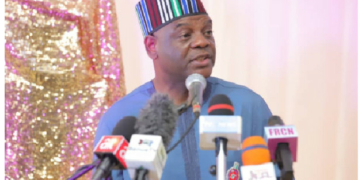
In his reaction, Nigeria’s Minister of Foreign Affairs, Ambassador Yusuf Tuggar, represented by Bukar Hamman, Director of Regions Department at the Ministry of Foreign Affairs said Bangladesh stands as a testament to what a determined people can achieve- remarkable progress in human development, a dynamic textile manufacturing sector, and an increasingly confident voice in regional and global affairs.
He said “Our partnership is rooted in common values, a belief in multilateralism, a commitment to peacemaking and peacekeeping, and a shared aspiration for inclusive development. Both our nations have contributed significantly to United Nations peace operations, demonstrating our mutual dedication to global peace and security. In recent years, our bilateral relations have continued to grow, particularly in areas such as trade, agriculture, education, defence cooperation, and defence cooperation.
“We welcome the expanding presence of Bangladesh business in Nigeria and encourage even deeper engagement between our private sectors.”
We’ve got the edge. Get real-time reports, breaking scoops, and exclusive angles delivered straight to your phone. Don’t settle for stale news. Join LEADERSHIP NEWS on WhatsApp for 24/7 updates →
Join Our WhatsApp Channel