Nigeria’s challenge of food and nutrition security is no longer about producing enough to eat, but ensuring that every meal carries the nutrients needed to fuel growth, learning, and productivity.
According to the 2024 Demographic and Health Survey, 40 per cent of children under five are stunted, eight per cent are wasted, and 27 per cent are underweight. Beyond these numbers is the harsher reality of what experts call “hidden hunger” a silent crisis of micronutrient deficiencies that weakens immunity, reduces learning capacity, and heightens maternal and child mortality.
It was against this backdrop that policymakers, nutrition experts, and development partners gathered last week at the Nigeria Health Watch Roundtable in Abuja, themed “Fortifying Nigeria’s Future: Strengthening Nutrition Through Local Solutions.”
The Permanent Secretary of the Federal Ministry of Health and Social Welfare, Daju Kachollom, in her keynote address said Nigeria’s food and nutrition system is at a crossroads.
“Fortification is not just a health intervention; it is an economic and social investment. A well-nourished population is more productive, innovative, and better positioned to drive national development,” she said.
Nigeria is grappling with a “triple burden”: undernutrition, overnutrition, and micronutrient deficiency. While some urban families face rising cases of obesity linked to processed foods, millions of children in rural and peri-urban areas suffer from diets dominated by calorie-rich but nutrient-poor staples.
The 2021 National Food Consumption and Micronutrient Survey revealed that one in three children is vitamin A deficient, more than one in three is zinc deficient, and over 20 percent suffer iron deficiency. For pregnant women and adolescent girls, the risks are even greater, threatening both maternal survival and newborn health.
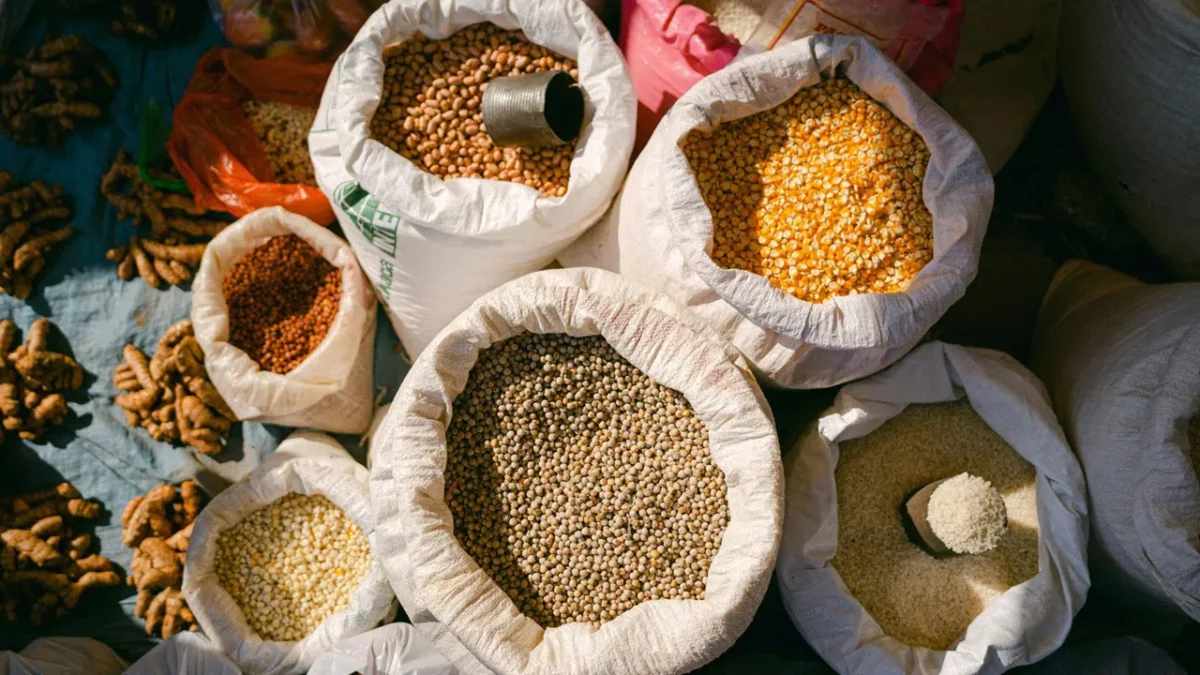
Food fortification, the process of adding essential vitamins and minerals to staples such as flour, oil, rice, bouillon cubes, and salt is one of the most cost-effective public health interventions. Nigeria began mandatory salt iodization in 1993, and today about 95 percent of salt is iodised. Wheat flour, sugar, and vegetable oil fortification have also shown progress.
But compliance remains patchy. Smaller food producers, who dominate the Nigerian market, often fail to meet standards due to weak enforcement, low awareness, and limited access to affordable premixes.
“While we have local premix blending plants, the industry relies heavily on imported raw materials, a dependency that inflates costs, exposes us to currency volatility, and erodes public trust,” Kachollom warned.
To close these gaps, the government is exploring innovations such as Digital Fortification and Traceability Plus a platform that uses real-time monitoring and supply chain tracking to ensure compliance. Other measures includes: promoting branded fortified vegetable oil, as half of Nigerian households still consume unbranded oils.
Collaborating with West African countries on fortification and salt reduction strategies and supporting MSMEs with incentives, technology, and regulatory guidance.
Stakeholders also emphasised the need for financing mechanisms, tax waivers, and tax holidays to encourage local premix producers and food manufacturers.
Nigeria’s dependence on imported premix is seen as unsustainable. Experts argue that with its vast agricultural resources, active private sector, and pool of innovators, the country has the potential to develop a resilient, homegrown fortification system.
Strengthening local capacity, they said, would not only cut costs but also protect Nigerians from the shocks of foreign exchange volatility and global supply chain disruptions.
Kachollom said food fortification is central to Nigeria’s fight against malnutrition and its drive toward the Sustainable Development Goals (SDGs), especially Goal 2 — Zero Hunger.
“Nigeria cannot afford to lose another generation to preventable malnutrition. Together, let us make fortified foods a cornerstone of our national nutrition strategy, not as a privilege, but as a right for every Nigerian,” she urged.
As the roundtable concluded, one theme resonated: nutrition is national security. By scaling up fortification and strengthening local solutions, the country has the chance to break the cycle of hidden hunger and truly fortify its future.
We’ve got the edge. Get real-time reports, breaking scoops, and exclusive angles delivered straight to your phone. Don’t settle for stale news. Join LEADERSHIP NEWS on WhatsApp for 24/7 updates →
Join Our WhatsApp Channel