Health experts have warned that Lagos State’s mandatory health insurance policy must translate into genuine financial protection for residents, rather than become an additional burden for households already under economic strain.
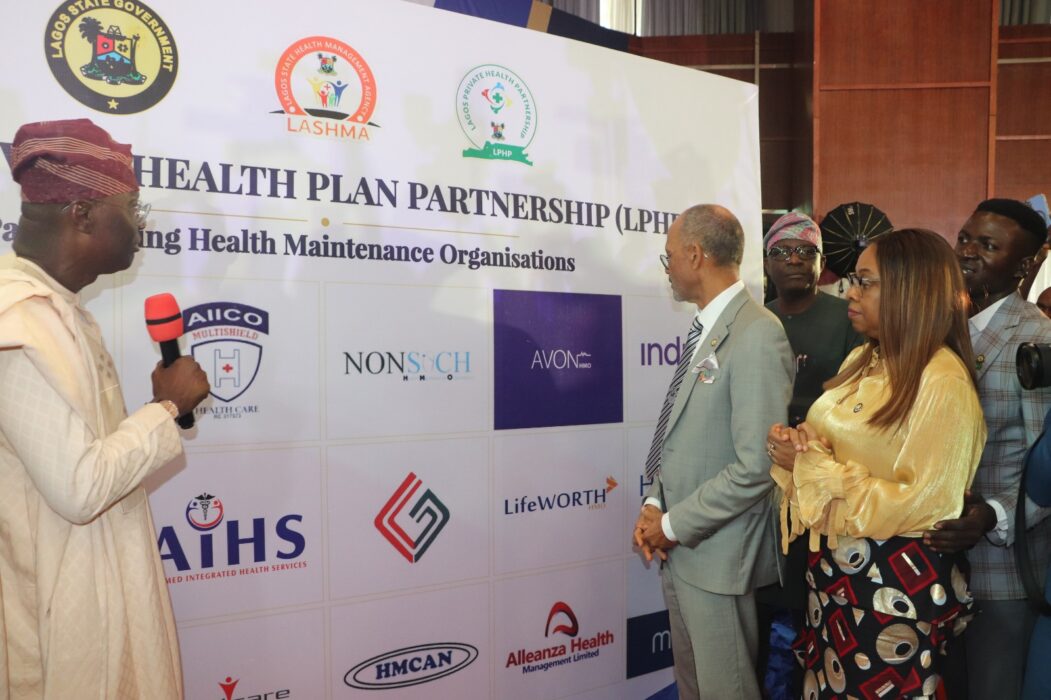
The warning follows the launch of the Lagos Private Health Plan Partnership and the announcement of enforcement of compulsory health insurance by Governor Babajide Sanwo-Olu.
The governor, who announced a grace period until 31 December 2026 for employers, workers and residents to obtain appropriate cover, said enforcement would commence on 1 January 2027.
The initiative is anchored on Executive Order EO/BOS/01/2024, signed on 16 July 2024, which is designed to ensure that access to healthcare no longer depends solely on an individual’s ability to pay at the point of illness.
Reacting to the development, public policy and communications expert, Clifford Egbomeade, said the policy will only be meaningful if it delivers real value, reduces out-of-pocket spending and guarantees access to quality care when needed.
He described Lagos’ decision as a significant step towards universal health coverage, but noted that the real challenge lies in turning compulsory enrolment into affordable, quality care.
According to him, the state recorded 2.76 million insured residents in 2025 and is targeting at least 10 million. He said the new Lagos Private Health Plans, alongside Ilera Eko, provide a pathway to expanding coverage, while the increase in the Health Equity Fund from N1 billion to N3 billion is encouraging, particularly for the 500,000 vulnerable residents the state plans to support.
However, Egbomeade stressed that affordability remains critical for low-income earners, traders and informal sector workers. He added that the government must ensure targeted subsidies, accessible enrollment and effective oversight of Health Maintenance Organisations to guarantee timely treatment and prevent unexpected charges.
“Ultimately, success should be measured not by enrollment figures alone, but by reduced out-of-pocket spending and improved access to quality healthcare. Mandatory insurance must deliver meaningful financial protection, not simply an additional cost for already stretched households,” he said.
In a similar vein, the President of the Healthcare Federation of Nigeria, Dr Njide Ndili, said mandatory health insurance in Lagos from January 2027 is an important step towards Universal Health Coverage, particularly in reducing out-of-pocket expenditure.
Nonetheless, she noted that affordability must remain central, with adequate subsidies for low-income and vulnerable residents, leveraging the Basic Healthcare Provision Fund alongside the Lagos State Health Equity Fund to strengthen financial protection.
Ndili, who is also Country Director of PharmAccess Nigeria, said experience from supporting health financing and quality improvement in Lagos shows that success depends on the readiness of healthcare providers.
“Government must urgently scale up engagement with private hospitals, ensure sustainable reimbursement tariffs, timely payments, quality standards and access to financing to expand capacity. This is already in motion through LASHMA but needs to be scaled up to ensure we have enough hospitals to cover patients once health insurance coverage is enforced.
“Our call is for a coordinated public-private implementation plan that aligns BHCPF resources, protects vulnerable populations and ensures mandatory enrolment translates into affordable, accessible and quality healthcare for every Lagos resident,” she said.
Immediate past chairman of the Nigerian Medical Association (NMA), Lagos Chapter, Dr Saheed Babajide, has said the Lagos State Government is not serious about the health insurance scheme.
According to him, the policy is already compulsory by law, but the government has failed to implement it due to lack of political will and poor public enlightenment.
He explained that only a small percentage of Lagosians have enrolled, and that about 80 per cent of those enrolled are civil servants because it is easy for the government to deduct premiums directly from their salaries.
In contrast, he said, the informal sector has largely been left out, as many traders, artisans and self-employed residents were not properly engaged on the benefits of the scheme. Similarly, only a few private companies in the formal sector have signed up.
He also identified other challenges facing the scheme. These include low premiums that are not enough to cover quality care, and poor payment to healthcare providers, which affects service delivery.
To address these issues, Babajide said the government should focus more on public enlightenment rather than enforcing a law that many residents will struggle to obey given the current economic hardship.
Furthermore, he advised the government to improve the health benefits package and increase the amount paid to healthcare providers. According to him, the packages and premiums should be made more attractive and encouraging for residents.
He, therefore, called for a review of the policy to make it more beneficial, especially for low and middle-income earners. If this is done, he said, they would benefit the most, as it would reduce the financial and mental burden of paying for healthcare out of pocket.
We’ve got the edge. Get real-time reports, breaking scoops, and exclusive angles delivered straight to your phone. Don’t settle for stale news. Join LEADERSHIP NEWS on WhatsApp for 24/7 updates →
Join Our WhatsApp Channel