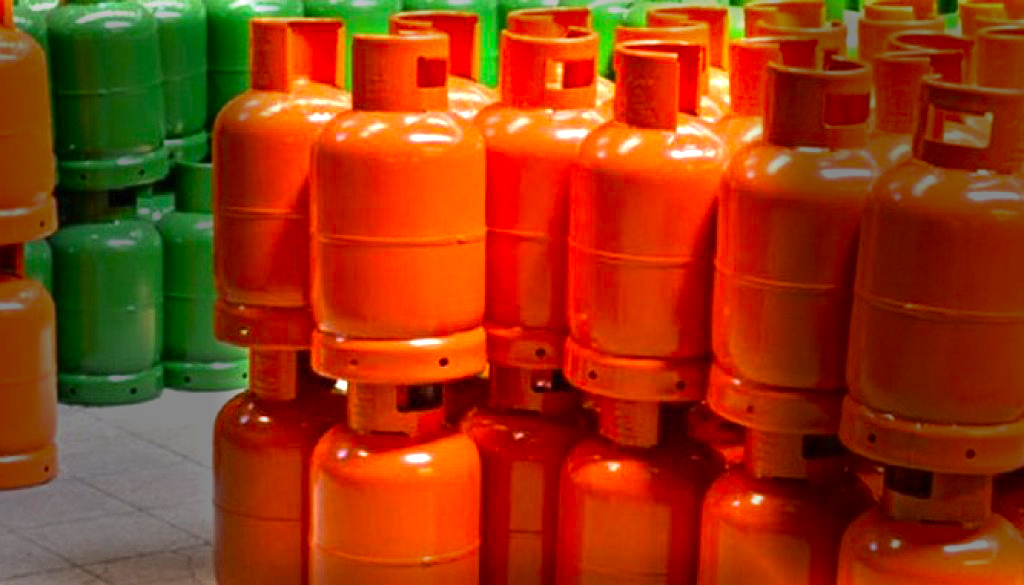
It is no longer news that the price of cooking gas has skyrocketed across major cities in Nigeria, leaving many households struggling to cope with the soaring cost of the essential commodity.
In several parts of the country, the cost of cooking gas has doubled within weeks, with prices now hovering between ₦2,000 and ₦3,000 per kilogram.
Speaking on Channels Television’s breakfast show, ‘The Morning Brief’, on Wednesday, the National President of the Nigerian Association of Liquefied Petroleum Gas Marketers (NALPGAM), Mr. Oladapo Olatunbosun, said the price increase had little to do with any official adjustment, blaming the hike on opportunistic marketers exploiting temporary supply gaps.
“I must say categorically that the prices of cooking gas have not gone up officially,” he said.
“What is happening is that some marketers are taking advantage of the short supply and the market forces that have increased demand. We frown at this as an association, and by the grace of God, normalcy will return in the next few days.”
Olatunbosun explained that the current scarcity was artificial and would be short-lived, noting that the situation began when Dangote Refinery, which had boosted domestic supply by eliminating middlemen, temporarily slowed operations for maintenance.
“Before the strike, Dangote loaded about 50 trucks per day, serving the South-West and parts of the North effectively. But during renovation, trucks spent up to 14 days at the refinery before they could load, forcing marketers to turn to Apapa depots for supply,” he said.
He added that the situation worsened when the Petroleum and Natural Gas Senior Staff Association of Nigeria (PENGASSAN) embarked on a strike action last week, which disrupted vessel discharges and and inspections, drying up stocks.
“When Dangote finished renovation, and we were about to commence full loading, the strike came in. Although Dangote didn’t stop production, everybody had rushed to Apapa, and it was now out of product, and all the depots there were dry.
“The only vessel that came in from NOJ which was meant to supply three depots could not berth because of the strike. And even when it berthed, the officers to inspect it weren’t on the ground because of the strike, and that caused about five-day loss, and the real impact of the backlog became obvious,” he explained.
According to Mr Olatunbosun, the backlog created by the disruption hit the South-West hardest, as the region accounted for the largest share of LPG consumption in Nigeria. He noted that the country’s annual LPG consumption had risen from about 1.2 million metric tonnes three years ago to nearly two million metric tonnes, increasing pressure on supply whenever there are disruptions.
The NALPGAM president, however, assured Nigerians that the association was working with relevant authorities to stabilise supply. He also urged consumers to buy directly from registered gas plants, warning that middlemen often inflate prices.
We’ve got the edge. Get real-time reports, breaking scoops, and exclusive angles delivered straight to your phone. Don’t settle for stale news. Join LEADERSHIP NEWS on WhatsApp for 24/7 updates →
Join Our WhatsApp Channel