
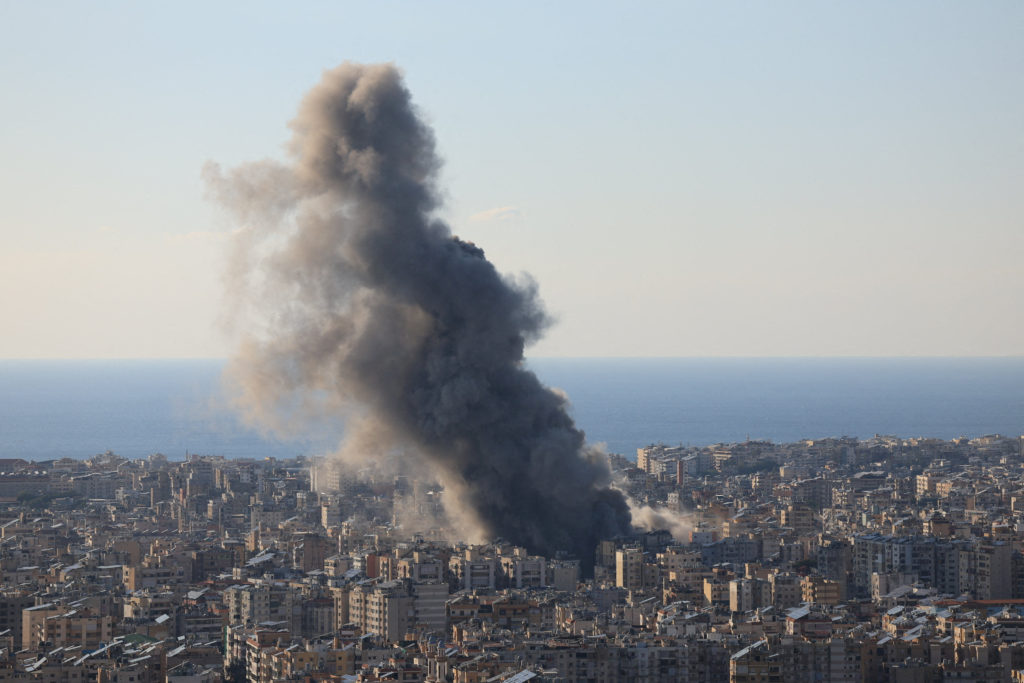
Amid escalating tensions between Iran, the United States and Israel, the Centre for the Promotion of Private Enterprise (CPPE) has warned that domestic economy, particularly manufacturers, is bearing the brunt of higher fuel costs.
In a policy brief, CPPE Chief Executive Officer, Dr. Muda Yusuf, said geopolitical instability in the Middle East typically disrupts oil market stability, will have an immediate consequences on Nigeria’s manufacturing sector as energy and logistics costs surge.
According to him, any threat, real or perceived that would disrupts oil market stability in the Strait of Hormuz will drive up global oil prices, shipping costs and insurance premiums.
“For Nigeria, the impact is immediate. Under the country’s deregulated downstream petroleum regime, increases in international crude prices translate directly into higher domestic prices for petrol, diesel and aviation fuel.”
“Manufacturers, already strained by unreliable power supply, are particularly exposed. Heavy reliance on diesel for production means that any spike in fuel prices sharply inflates operating costs,” he stated.
Industry data show that energy expenses can account for as much as 30 to 40 per cent of total production costs in energy-intensive sectors such as cement, food processing, plastics, steel and chemicals.
CPPE warned that the resulting cost pressures will ripple across the broader economy. Rising fuel prices are expected to push up transportation and logistics expenses, increasing the cost of moving raw materials and finished goods, while also driving higher food distribution costs and worsening inflation.
With margins tightening, many manufacturers may be forced to raise prices or scale back production. Sectors including manufacturing, aviation, logistics and consumer goods are likely to face significant margin compression as operating expenses climb.
Yusuf cautioned that the impact on households could be severe. With purchasing power already weak, sustained increases in fuel prices risk intensifying cost-of-living pressures and deepening poverty.
The development underscores a familiar paradox for Nigeria: while higher oil prices can boost export earnings, foreign exchange inflows and government revenues, they simultaneously fuel inflation and erode domestic welfare.
CPPE also noted that Nigeria may struggle to fully capitalize on the oil price rally due to persistent production challenges. Crude output remains below capacity, hovering between 1.4 million and 1.6 million barrels per day, amid ongoing issues such as oil theft, pipeline vandalism and underinvestment in upstream infrastructure.
Beyond domestic concerns, the conflict could trigger wider global economic disruptions, including higher shipping insurance costs, supply chain instability and potential capital outflows from emerging markets.
To cushion the impact, CPPE urged the government to ramp up oil production, build fiscal buffers from any windfall revenues and accelerate the development of domestic refining capacity to reduce dependence on imports.
It also called for sustained foreign exchange reforms, targeted social protection measures and faster progress on economic diversification.
“The Iran–U.S.–Israel conflict presents a classic double-edged shock for Nigeria,” Yusuf said. “While higher oil prices may support fiscal balances in the short term, the inflationary fallout and rising production costs pose serious risks to businesses and households.”
For manufacturers already grappling with a high-cost operating environment, the geopolitical crisis adds yet another layer of strain, threatening output and stability across the sector.
We’ve got the edge. Get real-time reports, breaking scoops, and exclusive angles delivered straight to your phone. Don’t settle for stale news. Join LEADERSHIP NEWS on WhatsApp for 24/7 updates →
Join Our WhatsApp Channel