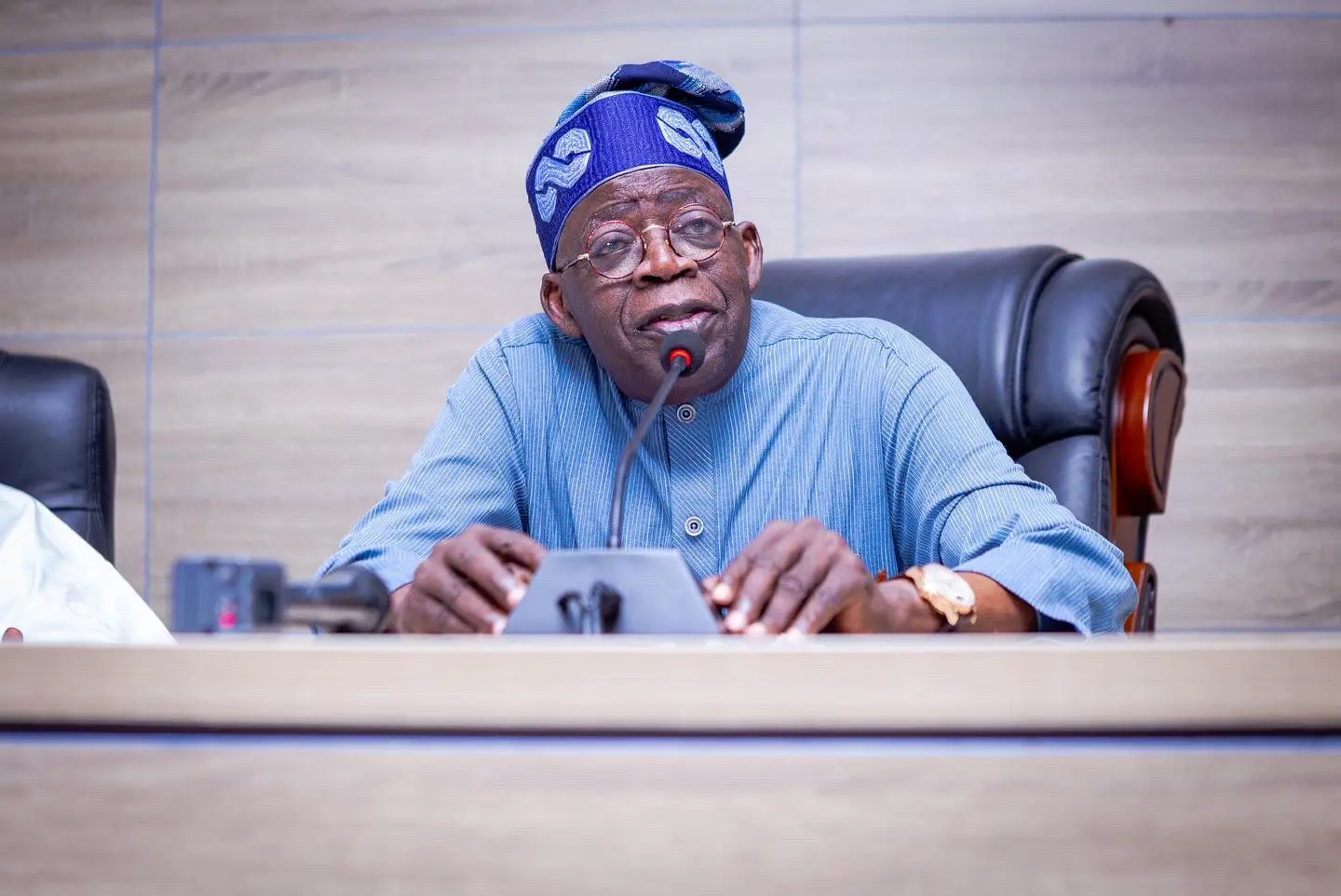
After months of intense speculation and political maneuvering, President Bola Tinubu has finally unveiled the much-awaited ministerial list for Nigeria.
The release, however, left many questions unanswered, as only 28 names were presented, leaving 10 states without representation in the current list. Adamawa, Bayelsa, Gombe, Kano, Kebbi, Kogi, Lagos, Osun, Yobe, and Zamfara are among the states eagerly awaiting ministerial nominations.
According to the Nigerian constitution, each of the 36 states and the Federal Capital Territory, Abuja, is entitled to have a minister. Additionally, the President can appoint six more ministers, one from each of the six geopolitical zones in the country.
The current list has raised concerns about the equitable representation of states and geopolitical zones in the federal government.
The 28 ministerial nominees have elicited mixed reactions from the public. Among them are Abubakar Momoh (Edo), Yusuf Maitama Tuggar (Bauchi), Mohammed Dangiwa (Katsina), Hanatu Musawa (Katsina), Uche Nnaji (Enugu), Betta Edu (Cross River), Doris Uzoka (Imo), David Umahi (Ebonyi), Nyesom Wike (Rivers), Mohammed Badaru (Jigawa).
Others are , Nasir El-Rufai (Kaduna), Ekperikpe Ekpo (Akwa Ibom), Nkiru Onyejiocha (Abia), Olubunmi Ojo (Ondo), Joseph Terlummu Utseve (Benue), Ali Pate (Bauchi), Uju Ohaneye (Anambra), Stella Okotete (Delta), Dele Alake (Ekiti), John Enoh (Cross River), Abubakar Kyari (Borno), Olawale Edun (Ogun), Sani Abubakar Danladi (Taraba), Wahid Adelabu (Oyo), Lateef Fagbemi SAN (Kwara), Bello Muhammad Goronyo (Sokoto), Imaan Sulaiman-Ibrahim (Nasarawa), and Muhammed Idris (Niger).
Prior to the official release of the list, several weeks were filled with speculative newspaper reports, with over 50 percent of the stories being false.
Frustrated by the delay, some Nigerians even took it upon themselves to create and circulate their own lists on social media, complete with portfolios. This occurrence highlights the gullibility of some individuals and underscores the importance of official information channels.
The appointment of seven women in the ministerial list has been widely hailed across Nigeria. However, notable names that many expected to see on the list are conspicuously missing, causing disappointment among their supporters.
In my opinion no minister who served in President Muhammadu Buhari’s previous administration should be considered for reappointment. The argument for fresh faces and new ideas in government is strong, advocating for a shift away from the status quo.
Criticism has also arisen over the composition of the list, with some Nigerians voicing concerns that there are more politicians than technocrats among the nominees.
However, it is expected that politicians will be rewarded for their efforts in securing the president’s victory. While these politicians tirelessly traverse every corner of the country, spending money and soliciting votes, some technocrats are busy appearing on various television stations, trying to make their voices heard.
Despite the challenges of striking a balance between politics and technocracy, there are specific ministerial positions traditionally reserved for technocrats, such as health, finance, defense, and budget. This ensures that important sectors of the government are led by individuals with relevant expertise and experience.
Unfortunately, the release of the ministerial list has not quelled all concerns. With the focus now shifting to the religious affiliation of the nominated ministers, discussions about the representation of Muslims and Christians are expected to dominate public discourse. Any perceived imbalance in religious representation can potentially spark further debates and disagreements.
The unveiling of the ministerial list in Nigeria has sparked various reactions, reflecting the complexities of balancing politics and technocracy in the government. While the constitution mandates equitable representation of states and geopolitical zones, the President’s discretion in selecting additional ministers adds an element of political calculation.
As Nigerians continue to scrutinize the ministerial nominees, it is crucial to remember that governance requires a delicate equilibrium between political experience and technical expertise.
By promoting a diverse and capable team of ministers, Nigeria can strive for effective governance and address the nation’s multifaceted challenges. In the end, the success of the ministerial team will be measured by their ability to implement policies that drive progress and prosperity for all Nigerians.
We’ve got the edge. Get real-time reports, breaking scoops, and exclusive angles delivered straight to your phone. Don’t settle for stale news. Join LEADERSHIP NEWS on WhatsApp for 24/7 updates →
Join Our WhatsApp Channel