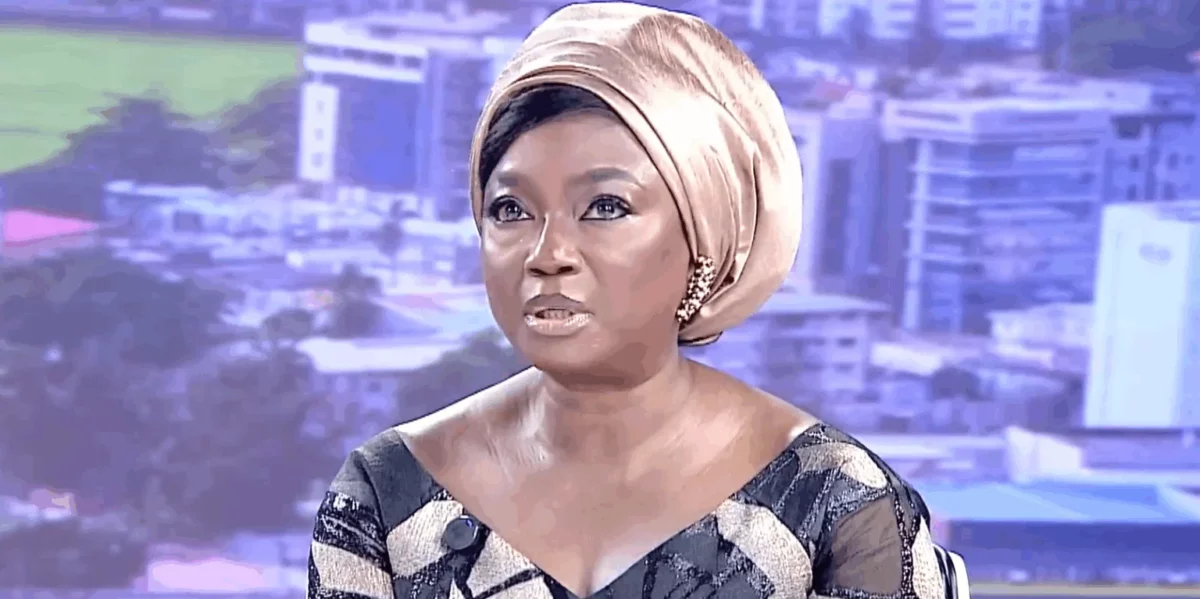
Aisha Muhammed, daughter of former Head of State, late General Murtala Ramat Muhammed, has attributed the ease with which her father was assassinated to his simple lifestyle and principled leadership approach.
Speaking on ARISE News’ The Morning Show on Monday, Aisha who is also the Chief Executive Officer of the Murtala Muhammed Foundation reflected on her father’s leadership on the occasion of the 50th anniversary of his assassination, describing him as a leader who practised the values he preached.
She said the late military leader was deeply committed to accountability, responsibility and discipline, noting that his strong anti-corruption stance was not merely rhetorical but reflected in his personal conduct and style of governance.
According to her, General Muhammed viewed corruption as a “cankerworm” capable of destroying society and believed that leaders must embody integrity in both public office and private life.
“My father’s leadership style was very clear. He believed in accountability and responsibility. His anti-corruption stance was not something he just talked about—he genuinely believed corruption would destroy our society, and 50 years later, we can see the consequences,” she said.
Aisha Muhammed explained that her father deliberately shunned the trappings of power, including heavy security details, long motorcades and sirens, preferring instead to live and move like the average Nigerian.
She said this lifestyle choice ultimately made him vulnerable and contributed directly to his assassination on February 13, 1976.
“If you know, my father didn’t go around with motorcades and sirens or heavy security. He was in traffic just like everyone else. The traffic wardens stopped them, and they stopped like every other road user. That was when the coup plotters emerged and shot him,” she recounted.
General Murtala Muhammed came to power in a bloodless coup in July 1975, overthrowing General Yakubu Gowon.
However, his time in office was cut short barely six months later when he was assassinated during an abortive coup in February, 1976.
Despite his brief 200-day tenure as Head of State, Muhammed left a lasting imprint on Nigeria’s governance, implementing far-reaching reforms that included the dismissal of over 10,000 public officials over corruption allegations, the creation of seven new states: Bauchi, Benue, Borno, Gongola, Imo, Niger, Ogun, and Ondo, and the initiation of plans for a transition to civilian rule.
His administration also began the process that eventually led to the relocation of Nigeria’s capital from Lagos to Abuja.
We’ve got the edge. Get real-time reports, breaking scoops, and exclusive angles delivered straight to your phone. Don’t settle for stale news. Join LEADERSHIP NEWS on WhatsApp for 24/7 updates →
Join Our WhatsApp Channel