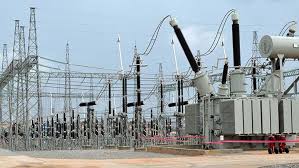
Nigeria’s power generation has remained stagnated at just 4,000 megawatts for years—despite an installed capacity of 15,500MW—largely due to over N6.2 trillion in unpaid debts crippling the sector, Dr. Joy Ogaji, CEO of the Association of Power Generation Companies (APGC), revealed on Monday.
Speaking on capacity payments, Power Purchase Agreements (PPAs), and operational realities in the Nigerian Electricity Supply Industry (NESI), Ogaji told journalists in Abuja that legacy GenCos and National Integrated Power Project (NIPP) plants operate without adequate sector risk protection, exposing them to regulatory and operational risks.
“This singular reason has kept the sector at about 4,000 MW of average grid generation for many years, notwithstanding an installed capacity of 15,500MW,” she stated. “This is a clear anomaly in the market, and GenCos have kept records of such losses as a regulatory risk.”
Ogaji affirmed that GenCos have adhered to all industry privatization agreements and PPAs since the November 1, 2013 takeover. Yet, they face liquidity crises, contractual defaults, regulatory risks, market volatility, and poor performance from agencies, eroding contract sanctity.
The N6.2 trillion outstanding—excluding full entitlements—accumulates because GenCos receive partial payments despite high costs for gas, maintenance, forex, and financing. This has left most GenCos technically insolvent, hampering investments in capacity upkeep and growth.GenCos, she stressed, suffer as subsidy victims without benefits, seeking only verified receivables from Multi-Year Tariff Orders (MYTO) and Nigerian Bulk Electricity Trading Plc (NBET) records.
Since 2015, they’ve received just 35% of payments for generated and consumed power, lacking cash backing.“How would power growth in Nigeria be encouraged if GenCos are not incentivised to make capacity available for dispatch to the NESI?” Ogaji questioned.
“What incentives does the market present for GenCos to invest towards recovery of unavailable capacity when they are denied capacity payment for what is already provided?”
She highlighted that GenCos’ capacity gains haven’t boosted consumer supply, creating stranded assets amid fixed charges to keep plants ready. Internationally, available generation should match utilisation—in Nigeria, it doesn’t.Ogaji dismissed invoice disputes, detailing a rigorous process: metered data from tariff/check meters validated by Market Operator (NISO) and System Operator; hourly capacity readings; Preliminary and Final Settlement Statements (PSS/FSS) with objection periods before payments.
We’ve got the edge. Get real-time reports, breaking scoops, and exclusive angles delivered straight to your phone. Don’t settle for stale news. Join LEADERSHIP NEWS on WhatsApp for 24/7 updates →
Join Our WhatsApp Channel