…Pitch renewable as viable option
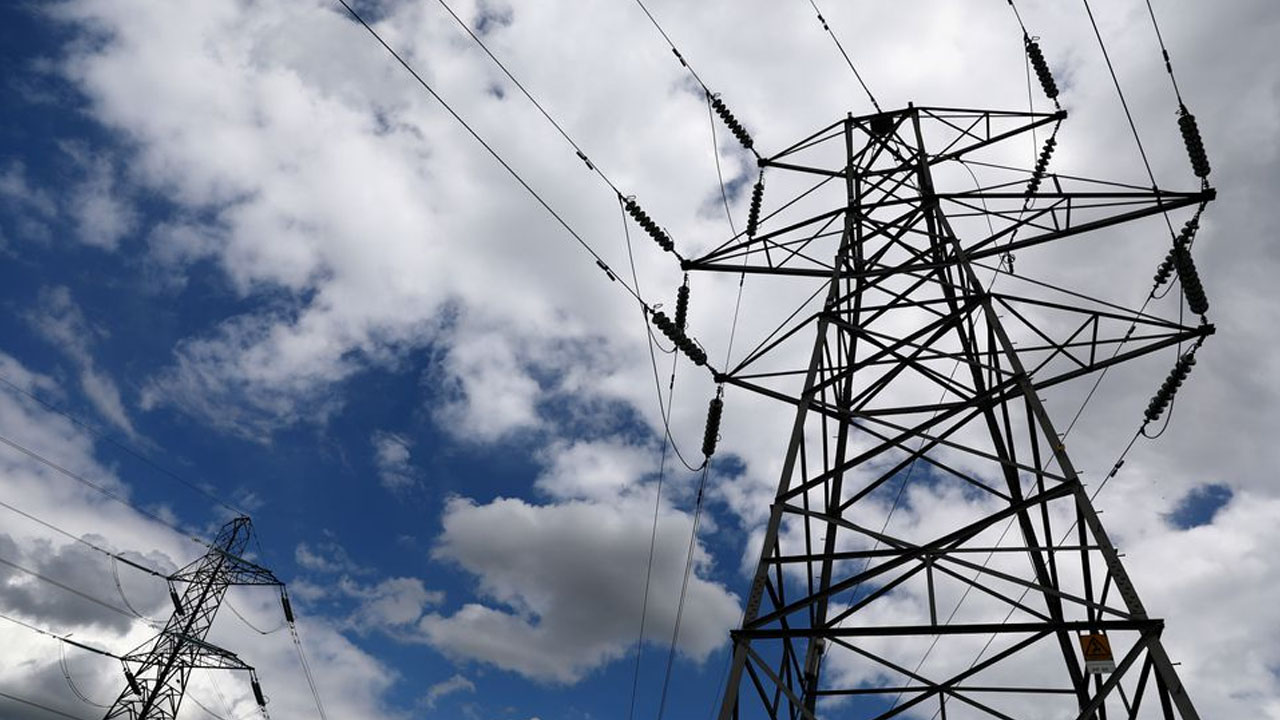
Nigeria’s national grid, which delivers about 4,500 to 5000 megawatts for over 200 million people, translates to roughly 24.5 watts per person—barely enough to power a single light bulb daily, energy analysts have revealed.
The grim statistic emerged at a media roundtable organised by the Global Initiative for Food Security and Ecosystem Preservation (GIFSEP), in collaboration with the Secure Energy Project and Power Shift Africa.
Speakers painted a picture of acute energy poverty crippling households, businesses, and even journalists who rely on stable power for reporting.
Nigerian campaign director of the Secure Energy Project, Joseph Ibrahim, emphasised the crisis’s far-reaching toll.
“With a population exceeding 200 million and a national. grid outputting just 4,500 megawatts, access remains grossly inadequate,” he said.
If you divide 5000MW by over 200 million Nigerians, it means that if you were to spread it out, it would be 24.5 watts per person.
“So, you see that what this means is that every day, the access to electricity that every Nigerian has, if you have to spread it across, is 24.5 watts. So, what we are saying is that with the electricity we are generating, every Nigerian is only able to power a home light bulb.”
LEADERSHIP checks indicate that solar light bulb capacities currently range from five to 20 watts for indoor usage, while non-renewable light bulbs are up to 60 watts for indoor use.
“This energy deficit hinders economic productivity, industrial growth, and quality of life for millions.”
He noted that while developed nations pivot to renewables, most Nigerians still lack basic, reliable electricity.
According to him, Solar power, once an alternative, has become essential, powering homes and small enterprises where the grid fails.
Analysts pitched solar energy as Nigeria’s viable lifeline, urging a rethink of the country’s reliance on generators.
GIFSEP’s executive director, Dr Michael Terungwa David, described Nigeria’s abundant solar resources as a pathway to becoming Africa’s “solar nation.”
“Solar itself isn’t the problem; it’s unskilled technicians and substandard materials flooding the market,” Dr Terungwa said.
He called for investments in training and certification to build a skilled workforce, warning that poor practices could erode trust and safety as demand surges.
The roundtable also addressed the federal government’s proposed ban on solar panel imports to boost local manufacturing.
Both Terungwa and Ibrahim cautioned against haste, citing Nigeria’s limited industrial capacity.
“A premature ban risks worsening energy poverty by cutting access to affordable solutions,” Ibrahim warned, drawing on global transitions that succeeded through gradual buildouts.
He advocated the campaign’s three- to five-year localisation roadmap, blending imports with domestic investment.
Terungwa echoed this, pushing standards, quality control, and phased local production. “With the right policies, investments, and awareness, Nigeria can lead sustainable energy in Africa,” he added.
The event doubled as a capacity-building initiative for journalists, equipping them to report accurately on energy issues amid global disruptions such as supply shortages and volatile fossil fuel markets.
Dr Terungwa stressed the media’s power to shape policy and hold stakeholders accountable. “Energy poverty affects your work too—reliable power is key for storytelling and governance oversight,” he told participants. He envisioned the roundtable sparking a network of energy reporters for sustained impact.
“Together, we can build a more informed, resilient, and energy-secure Nigeria,” he added.
We’ve got the edge. Get real-time reports, breaking scoops, and exclusive angles delivered straight to your phone. Don’t settle for stale news. Join LEADERSHIP NEWS on WhatsApp for 24/7 updates →
Join Our WhatsApp Channel