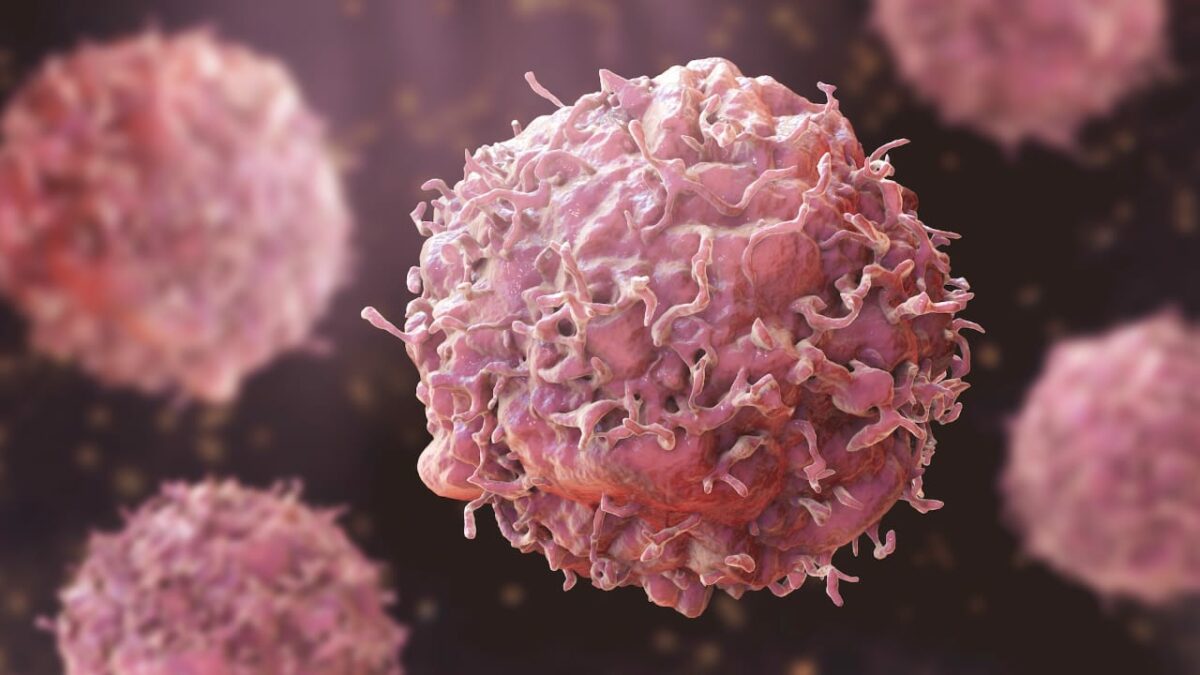
Nearly four in every 10 cancer cases recorded globally are associated with preventable risk factors, the World Health Organisation (WHO) has warned, noting that millions of lives could be saved if countries step up investments in prevention.
The warning was issued on Tuesday alongside the release of a new global analysis conducted with WHO’s International Agency for Research on Cancer (IARC), ahead of World Cancer Day on Wednesday, February 4.
According to the report, “up to four in ten cancer cases worldwide could be prevented… 37 per cent of all new cancer cases diagnosed in 2022 — estimated at about 7.1 million — were caused by factors such as tobacco use, alcohol consumption, obesity, physical inactivity, air pollution, ultraviolet radiation and cancer-causing infections.”
Describing the findings as a wake-up call, WHO Team Lead for Cancer Control, Dr André Ilbawi, said the analysis demonstrated that many cancers were not inevitable.
“This is the first global analysis to demonstrate, at this scale, how much cancer risk comes from causes we can prevent,” Ilbawi said. He added that the data provided “governments and individuals with actionable evidence to stop many cancers before they start.”
The study, which drew on data from 185 countries and 36 cancer types, identified tobacco as the leading preventable cause of cancer worldwide, accounting for 15 per cent of all new cases. Infections followed at 10 per cent, while alcohol consumption contributed three per cent.
Ilbawi said these figures indicated where policy interventions could make the greatest difference.
“By addressing tobacco use, infections and alcohol consumption alone, countries could dramatically reduce their cancer burden,” he said.
The report showed that lung, stomach, and cervical cancers together accounted for nearly half of all preventable cancer cases globally. Lung cancer was largely linked to smoking and air pollution, stomach cancer to Helicobacter pylori infection, and cervical cancer almost entirely to human papillomavirus.
“This study confirms that vaccines, clean air and healthier lifestyles are powerful cancer-prevention tools,” Ilbawi said.
The burden of preventable cancer was higher among men than women. While 45 per cent of new cases in men were linked to preventable causes, the figure for women stood at 30 per cent. Among men, smoking accounted for 23 per cent of new cases, followed by infections and alcohol, while among women, infections were the leading preventable cause, followed by smoking and high body mass index.
Deputy Head of the IARC Cancer Surveillance Unit and senior author of the study, Dr Isabelle Soerjomataram, emphasised the need for prevention-focused policies.
“This landmark analysis shows that tackling preventable causes remains one of the most powerful ways to reduce the global cancer burden,” Soerjomataram said. “Prevention is not optional — it is essential.”
She added that cancer prevention must extend beyond the health sector.
“Strong tobacco control, alcohol regulation, vaccination, cleaner air, safer workplaces and healthier food environments are critical if countries are serious about reducing cancer,” she said.
The report also highlighted regional disparities. Preventable cancer cases among women ranged from 24 per cent in North Africa and West Asia to 38 per cent in sub-Saharan Africa, while East Asia recorded the highest burden among men at 57 per cent. WHO attributed these differences to variations in exposure to risk factors, national prevention policies, and health-system capacity.
Calling for coordinated action, the organisation said that cancer prevention would not only save lives but also reduce long-term healthcare costs and improve population wellbeing.
“Cancer prevention is a shared responsibility. When governments act early, millions of families can be spared the physical, emotional and financial burden of a cancer diagnosis,” Ilbawi said.
We’ve got the edge. Get real-time reports, breaking scoops, and exclusive angles delivered straight to your phone. Don’t settle for stale news. Join LEADERSHIP NEWS on WhatsApp for 24/7 updates →
Join Our WhatsApp Channel