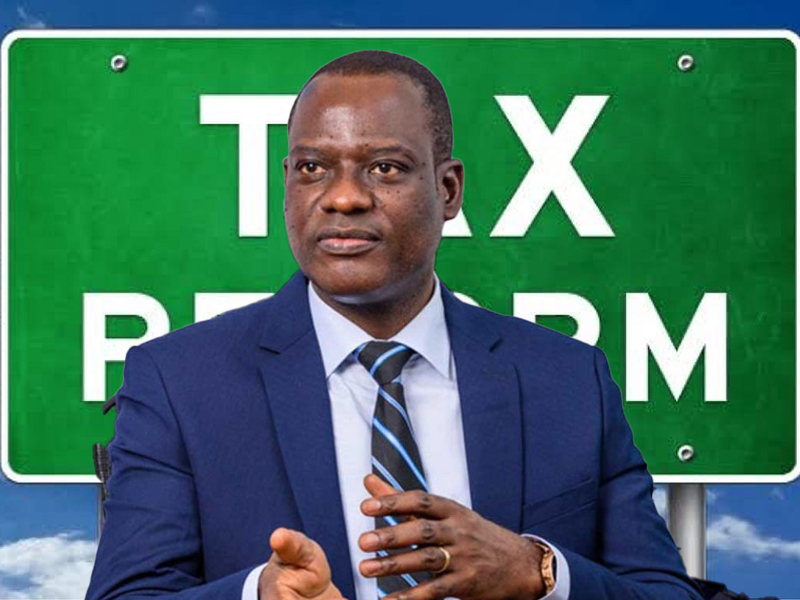
The chairman of the Presidential Fiscal Policy and Tax Reforms Committee, Taiwo Oyedele, has said that about 98 per cent of Nigerian workers would be exempted from the pay-as-you-earn tax (PAYE) system next year when the new tax laws that President Bola Ahmed Tinubu signed take effect.
Oyedele emphasised that the new tax laws do not target low-income earners or those below the poverty line.
“From January 2026, you will feel the impact. If you earn a salary, when you are paid at the end of January 2026, 97- 98 per cent of Nigerians will either no longer pay PAYE, or they’ll pay less PAYE.
“That is about 98 per cent of public and private sector workers who will no longer pay PAYE, because they will be exempted. The remaining 2 per cent plus will pay more,” he said.
President Bola Tinubu, in June 2025, signed the four (4) Tax Reform Bills into law. These laws include the Nigeria Tax Act (NTA), the Nigeria Tax Administration Act (NTAA), the Nigeria Revenue Service Act (NRSA) and the Joint Revenue Board Act (JRBA).
He also emphasised that the government had lifted the burden of tax payment off the shoulders of low-income earners and businesses.
Oyedele urged micro, small, and medium enterprises (MSMEs) to formalise their operations by registering their businesses with the Corporate Affairs Commission (CAC). He said that was the only way they could be exempted from the new tax laws that would take effect in January 2026.
The new law exempts businesses that earn N100 million and below from paying taxes.
Oyedele made remarks on the sidelines of the ongoing 31st Nigerian Economic Summit (NES31) in Abuja, stating that the new laws seek to protect low-income earners or those under the poverty line.
Oyedele said the new tax laws are expected to bring down the corporate tax rate from 30 per cent to 25 per cent.
“So, these reforms are designed to improve the governance system around revenue generation, including tax, and accountability as to how it’s spent.
“When Nigeria improves, sovereign credit improves; revenue is sufficient to run the government and meet expenses; borrowing costs will come down for the government and the private sector. It is in our enlightened self-interest,” he added.
Oyedele further explained that laws are made to enhance businesses and reduce risks, adding that lowering personal income tax to 25 per cent seeks to create incentives for business formalisation.
He said the law also reduces the corporate tax rate from 30 to 25 per cent.
“Under the new law, if your annual turnover is N100 million or less, your corporate tax rate is 0%. Low income, no tax. Upper income, a bit more.
“In many countries, you will find that the top rates for personal income tax are usually higher than those for corporate tax, so that you can incentivise business formalisation,” he said.