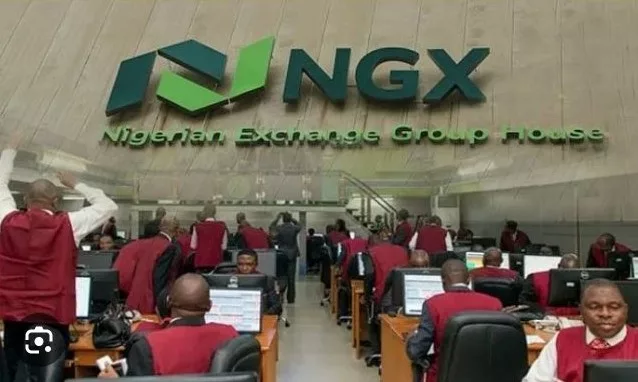
The Nigerian Exchange Limited (NGX) is set to introduce a revised pricing methodology for equities trading from August 17, 2026, in a move aimed at strengthening price discovery and reducing market distortions arising from small, non-economic trades.
The new framework, approved by the Securities and Exchange Commission (SEC), introduces tiered minimum traded-quantity thresholds that a transaction must meet before it can trigger a published movement in the price of a stock.
The reform is expected to ensure that official equity prices more accurately reflect genuine market demand and supply, particularly in thinly traded stocks where small transactions can sometimes result in disproportionate price movements.
In a notice to members signed by the Association of Securities Dealing Houses of Nigeria (ASHON), NGX said the revised methodology would ensure that only transactions of material economic value are reflected in official price movements.
The exchange, however, stated that the existing daily price movement limits would remain unchanged under the new framework.
Under the revised methodology, the minimum quantity required to trigger a published price movement will depend on the security’s prevailing price.
Stocks priced at N1,000 and above will require a minimum trade of 10,000 units, while securities priced between N500 and N999.99 will require at least 50,000 units.
For stocks priced below N500, a minimum of 100,000 units will be required before a transaction can trigger a change in the published share price.
The introduction of tiered thresholds represents a significant adjustment to how price movements are determined in the equities market, with the objective of limiting the influence of trades that may not adequately reflect broader market demand.
The reform is also expected to address concerns over price distortions and artificial volatility, particularly in securities with low trading volumes.
Market analysts have welcomed the initiative, describing it as a step towards improving the integrity and reliability of price formation on the Nigerian capital market.
The managing director/chief executive officer of APT Securities and Funds Limited, Mr. Garba Kurfi, said the introduction of volume thresholds would make published prices a better reflection of actual market activity.
“By setting volume thresholds, NGX is ensuring that published prices better reflect genuine market demand and supply. This should improve confidence, especially for institutional investors,” he said.
Senior stockbroker, Mr Tunde Oyediran, also described the reform as positive for market integrity, noting that it could help reduce artificial volatility in the equities market.
“This methodology will reduce artificial volatility. It forces the market to price stocks based on trades that actually carry economic weight,” he said.
ASHON said it was engaging with trading licence holders to ensure a seamless implementation of the new framework.
The association added that trading systems, surveillance tools and client advisories were being updated to reflect the new requirements.
It therefore urged trading licence holders to familiarise themselves with the revised thresholds and make the necessary operational adjustments ahead of the August 17 commencement date.
We’ve got the edge. Get real-time reports, breaking scoops, and exclusive angles delivered straight to your phone. Don’t settle for stale news. Join LEADERSHIP NEWS on WhatsApp for 24/7 updates →
Join Our WhatsApp Channel