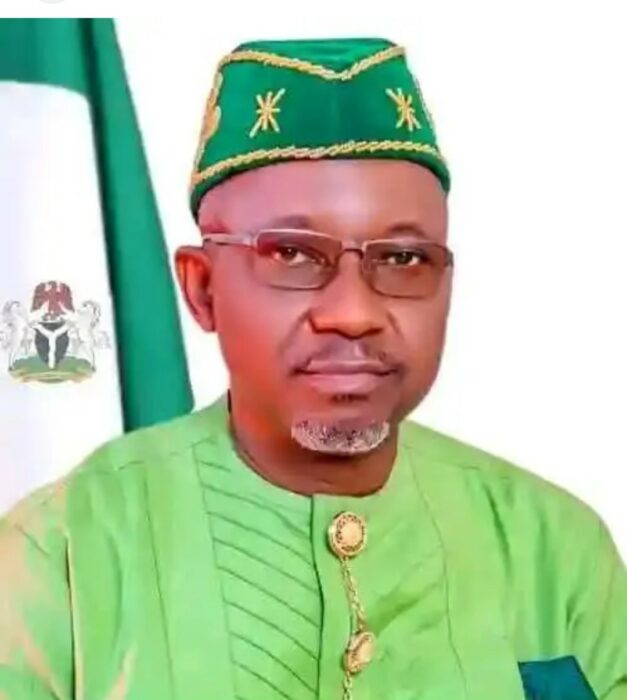
Nigeria cannot afford to walk away from its oil and gas resources even as the world moves toward cleaner energy, the Minister of State for Petroleum Resources (Gas), Ekperikpe Ekpo, has said, insisting that natural gas will remain central to the country’s development for years to come.
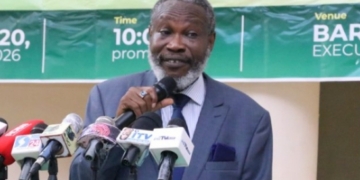
Ekpo spoke Thursday at the 2026 Annual Conference of the Association of Energy Correspondents Abuja (AECAF), held in Abuja, with the theme “Sustaining Oil and Gas Investment in Nigeria Amid Energy Transition.”
The minister, who was represented by his special adviser, technical, Abel Nsa, said millions of Nigerians still lack reliable electricity and access to clean cooking fuel, a reality he argued makes continued investment in hydrocarbons non-negotiable even as the country diversifies its energy mix.
“The challenge is to navigate this transition in a manner that safeguards energy security, promotes economic growth, attracts investment and ensures that our abundant natural resources continue to deliver value to our people,” Ekpo said.
He said the real test facing Nigeria is no longer the size of its reserves but its ability to convert those resources into jobs, infrastructure and industrial growth — which he tied to policy stability, regulatory certainty, fiscal competitiveness, security and efficient project execution.
Ekpo pointed to the implementation of the Petroleum Industry Act (PIA) 2021 as evidence of government efforts to improve the investment climate, but cautioned that legislation alone would not attract capital. Investors, he said, also need consistency in how policies are implemented and assurance that projects will be delivered efficiently.
The minister described natural gas as central to government’s economic and transition strategy, citing the Decade of Gas Initiative, which targets expanded gas use in power generation, manufacturing, fertiliser production, petrochemicals and transport. He also named the Ajaokuta-Kaduna-Kano (AKK) and OB3 pipelines, along with investment in gas processing and LNG infrastructure, as key to linking domestic reserves to markets.
Government is also pushing LPG and CNG adoption to widen access to cleaner, cheaper energy for households and businesses, he said.
Ekpo acknowledged that inadequate infrastructure, insecurity, inefficiencies, lengthy contracting processes and regulatory bottlenecks continue to threaten investment. While government must provide an enabling environment, he said operators also bear responsibility to invest responsibly and uphold safety and environmental standards.
We’ve got the edge. Get real-time reports, breaking scoops, and exclusive angles delivered straight to your phone. Don’t settle for stale news. Join LEADERSHIP NEWS on WhatsApp for 24/7 updates →
Join Our WhatsApp Channel