
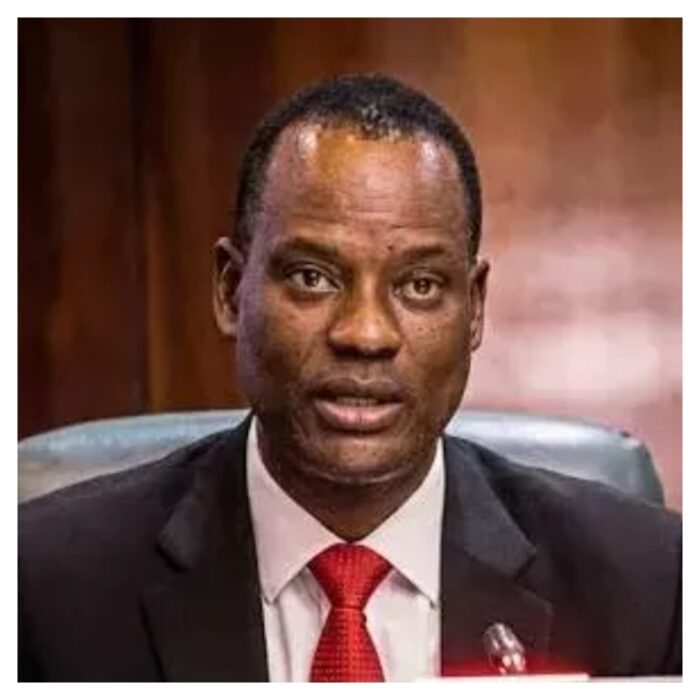
The federal government is targeting single-digit inflation before the end of 2027, Finance Minister and Coordinating Minister of the Economy, Taiwo Oyedele, has said, framing the goal as a route to lower interest rates, cheaper credit and stronger growth.
Oyedele made the commitment on Monday at the 32nd Nigerian Economic Summit in Abuja, where he defended the economic reforms of the Tinubu administration. “Before the end of next year, we want low, single digit. So that it can create the condition for single-digit interest rate,” he said.
Before the end of next year, we want to low, single digit. So that it can create the condition for single-digit interest rate.”
“If we are growing at 4.43 per cent, borrowing at close to 30 per cent, imagine what is possible when you borrow at single digit?” he added.
He argued that Nigeria’s current combination of modest growth and high borrowing costs limits the economy’s potential.
The minister said savings from the foreign-exchange and petrol-subsidy reforms had been redirected to measures aimed at easing pressure on households and businesses. These include salary and wage adjustments, payment of pension arrears and subsidised credit for small businesses.
Oyedele said the benefits of reform should not be judged only by headline growth figures, noting that improved access to foreign exchange had also made it easier for young Nigerians to pay for online applications needed to earn income.
Nigeria’s headline inflation fell to 14.63 per cent in September 2026 from 15.39 per cent in August, according to the National Bureau of Statistics. The September figure was also lower than 20.98 per cent recorded in September 2025.
The NBS said month-on-month headline inflation stood at 0.06 per cent in September, while food inflation was 19.59 per cent year on year.
Achieving single-digit inflation would require headline inflation to fall from 14.63 per cent to below 10 per cent before the end of 2027. If achieved, it could reduce pressure on the government’s debt-service costs and make financing more affordable for businesses.
However, the government has not detailed the specific measures or milestones it will use to reach the target, leaving the commitment dependent on continued disinflation, exchange-rate stability and food-price moderation.
We’ve got the edge. Get real-time reports, breaking scoops, and exclusive angles delivered straight to your phone. Don’t settle for stale news. Join LEADERSHIP NEWS on WhatsApp for 24/7 updates →
Join Our WhatsApp Channel