
• Hausa Edition
  • Podcast
  • Conferences
  • LeVogue Magazine
  • Business News
  • Print Advert Rates
  • Online Advert Rates
  • Contact Us
Wednesday, July 8, 2026
Leadership Newspapers
No Result
View All Result
  • Home
  • News
  • Politics
  • Business
  • Sport
    • Football
  • Health
  • Entertainment
  • Education
  • Opinion
    • Editorial
    • Columns
  • Others
    • LeVogue Magazine
    • Conferences
    • National Economy
  • Contact Us
Hausa Edition
  • Home
  • News
  • Politics
  • Business
  • Sport
    • Football
  • Health
  • Entertainment
  • Education
  • Opinion
    • Editorial
    • Columns
  • Others
    • LeVogue Magazine
    • Conferences
    • National Economy
  • Contact Us
No Result
View All Result
Leadership Newspapers
No Result
View All Result

Nigeria To Boost Renewable, Tariff Hike As $23bn Power Funding Gap Lingers

LEADERSHIP News by LEADERSHIP News
1 year ago
in News
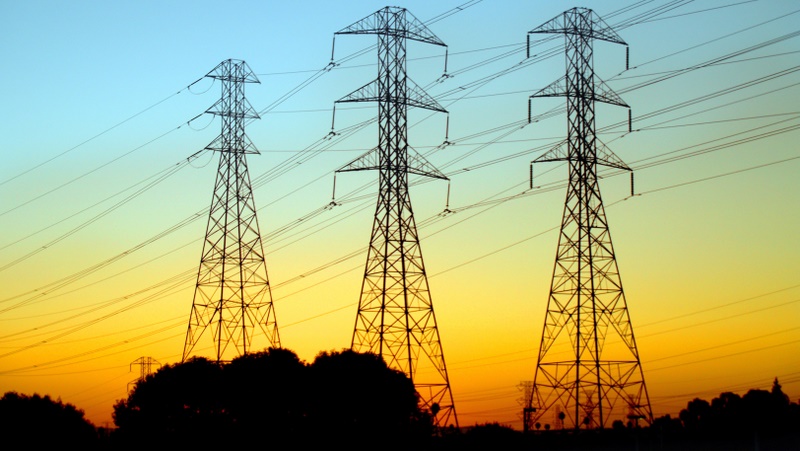
electricity lines
Share on WhatsAppShare on FacebookShare on XTelegram

The Nigerian government is poised to take decisive steps towards restoring energy efficiency and reaching millions of unserved communities and population as a huge energy funding gap threatens outlined initiatives.

Although the government removed subsidies for about 15 per cent of urban households last year, tripling tariffs, authorities still spent N2.2 trillion on subsidies.
However, the government’s new plan aims to implement full-cost tariffs by 2027 while providing a buffer for vulnerable households.

The government also plans to double the number of households connected to the grid annually and boost renewable energy from 22 per cent to 50 per cent of the generation mix within five years.
This is part of a broader effort to address a massive $23 billion funding gap in the power sector and bring electricity to the 86 million Nigerians still living in the dark.

Nigeria, also taking bold steps to revive its faltering power sector, aiming to attract $15 billion in private investments while keeping its most vulnerable citizens in mind.

At a World Bank energy summit in Tanzania, the government outlined a plan that combines higher electricity tariffs with fresh subsidies to ease the burden on households.
Under the proposal, households will receive 50 kilowatt hours of subsidised electricity monthly, either through direct consumption or vouchers.

RELATED NEWS

Lagos LG Chairmen Task Residents On PVC Collection, Donate Bus To Community Heads

Primary: Oyo APC Members Protest Alleged Imposition

ADC Names Okumgba Deputy Governorship Candidate For 2027 Rivers Election

Despite being Africa’s top natural gas producer with abundant hydro and solar resources, Nigeria generates a paltry 13,000 megawatts of electricity for over 200 million people.

For comparison, South Africa, with just 62 million people, produces 52,000 megawatts. Frequent blackouts and widespread reliance on private generators have become the norm for Nigerians who can afford them.

The country’s power sector ambitions are similar to its recent oil sector recovery, where a combination of strategic planning, good fortune, and bold leadership brought production back from near collapse. With a renewed focus and an investor-friendly pitch, the nation is looking to spark a similar turnaround in its power sector.

We’ve got the edge. Get real-time reports, breaking scoops, and exclusive angles delivered straight to your phone. Don’t settle for stale news. Join LEADERSHIP NEWS on WhatsApp for 24/7 updates →

Join Our WhatsApp Channel

LEADERSHIP News

LEADERSHIP News

OTHER NEWS UPDATES

Over 1.9m PVCs Collected In Edo – INEC
News

Lagos LG Chairmen Task Residents On PVC Collection, Donate Bus To Community Heads

1 minute ago
Akwa Ibom APC Inaugurates Organising Committee For Primaries
News

Primary: Oyo APC Members Protest Alleged Imposition

2 minutes ago
News

ADC Names Okumgba Deputy Governorship Candidate For 2027 Rivers Election

3 minutes ago
Next Post
The latest ‘Cost of Healthy Diet’ report, produced by the National Bureau of Statistics (NBS) and the Global Alliance for Improved Nutrition, shows that the national average cost of a healthy diet rose by 110.7 per cent to N1,035 per day in April 2024 from N491 per day in the same period of last year. The cost was also 5.4 per cent higher from N982 in March.

Imported Food Prices Soar By 37.65%

Advertisement

LATEST UPDATE

Lagos LG Chairmen Task Residents On PVC Collection, Donate Bus To Community Heads

1 minute ago

Primary: Oyo APC Members Protest Alleged Imposition

2 minutes ago

ADC Names Okumgba Deputy Governorship Candidate For 2027 Rivers Election

3 minutes ago

Rights Groups Want Disparity In Statements On Oke’s Alleged Assassination Attempt Investigated

3 minutes ago

Ojudu Tasks Nigerians On Protection Of Infrastructure

3 minutes ago
Load More
Advertisement
Facebook Twitter Instagram Youtube Whatsapp

© 2026 LEADERSHIP Media Group - All Rights Reserved | Hausa | Online Casino.

No Result
View All Result
  • Home
  • News
  • Politics
  • Business
  • Sport
    • Football
  • Health
  • Entertainment
  • Education
  • Opinion
    • Editorial
    • Columns
  • Others
    • LeVogue Magazine
    • Conferences
    • National Economy
  • Contact Us

© 2026 LEADERSHIP Media Group - All Rights Reserved | Hausa | Online Casino.