
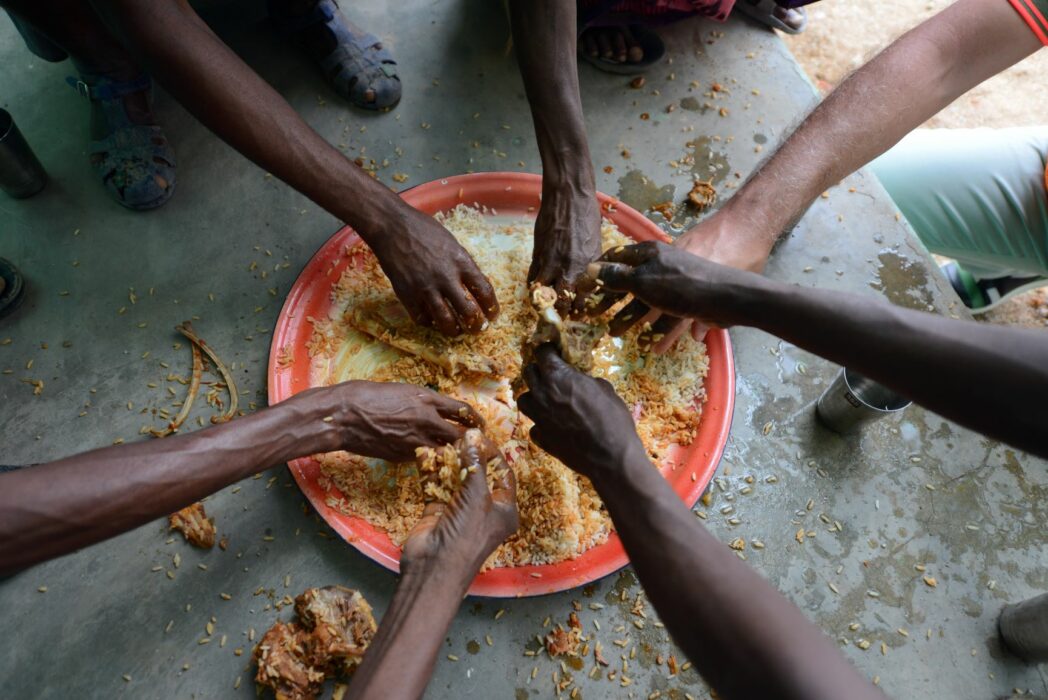
Nigeria has recorded the highest number of severely food-insecure people among 17 African countries tracked in August, with 36.3 million citizens now facing Crisis-level hunger or worse, according to the Alliance for a Green Revolution in Africa (AGRA).
The figure, contained in AGRA’s August 2026 Food Security Monitor, puts 16.7 per cent of Nigeria’s population in the IPC/CH Phase 3+ bracket — the classification used to track acute food insecurity across East, Southern and West Africa. The report linked the numbers to conflict, insecurity, displacement, high food prices and weather-related disruptions to farm production.
Nigeria’s figure dwarfs those of other countries monitored. South Sudan came second with 7.8 million people affected, followed by Kenya (4.1 million), Mozambique (3.5 million), Zimbabwe (2.5 million) and Niger (2.4 million).
But in proportional terms, Nigeria’s crisis looks less severe than several smaller economies. South Sudan had 55 per cent of its population in crisis, while Uganda, Kenya and Malawi each posted figures above 20 per cent. Ghana recorded the lowest share at 4 per cent.
AGRA said conditions were broadly stable across most of the countries surveyed compared to July, though a few posted sharp improvements. Malawi cut its crisis-level population by 52 per cent, while Zambia recorded a 59 per cent reduction over the same period.
In West Africa, however, the drivers of hunger remained largely unchanged. Emergency-level conditions persisted in parts of Mali, Niger and Nigeria, while Crisis-level conditions stayed widespread across conflict-hit areas of Burkina Faso, northern Nigeria, Niger and parts of Mali.
The food security strain comes even as maize — a staple across much of Nigeria — trades cheaper than a year ago. AGRA reported that maize prices climbed 19.3 per cent over the past six months, including a 7 per cent jump in August to roughly $265 per metric tonne, yet remained 10.9 per cent below year-on-year levels.
The report said improved rainfall and seasonal harvests could ease food availability going forward, though displacement, trade disruptions and elevated transport costs continue to weigh on access.
AGRA’s figure adds to a string of recent projections on Nigeria’s food crisis. PwC’s Nigeria Economic Outlook 2026, released in January, had projected 34.7 million Nigerians at risk of acute food insecurity this year, citing insecurity, rising input costs and climate shocks — with fertiliser prices up 19.5 per cent and maize production costs up 29.2 per cent in 2025. The Food and Agriculture Organisation made a similar projection of 34.7 million people at risk during the June–August 2026 lean season.
AGRA’s latest count of 36.3 million now exceeds both earlier estimates, underscoring that Nigeria’s food security situation has continued to deteriorate rather than stabilise, despite pockets of relief in food prices this year.
We’ve got the edge. Get real-time reports, breaking scoops, and exclusive angles delivered straight to your phone. Don’t settle for stale news. Join LEADERSHIP NEWS on WhatsApp for 24/7 updates →
Join Our WhatsApp Channel