The National Blood Service Agency (NBSA) has disclosed that Nigeria collects between 24,000 and 25,000 units of blood annually, far below the quantity required to meet the transfusion needs of its over 200 million population,
The agency said the persistent shortage underscored the need to strengthen voluntary, non-remunerated blood donation, noting that at least two per cent of the country’s population needed to donate blood to improve availability and ensure timely access to transfusion services.
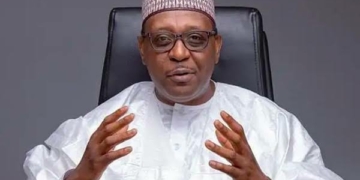
The Director-General of NBSA, Prof. Saleh Yuguda, disclosed this at a media roundtable on voluntary blood donation organised in collaboration with the International Society of Media in Public Health (ISMPH),in Abuja.
Represented by the Head of Operations Centre, NBSA, Dr Aliyu Dahiru Waziri, the DG said despite efforts to improve blood collection and strengthen transfusion services, inadequate voluntary donations remained a major obstacle to achieving sufficient national blood reserves.
He said, “Although the agency has been doing quite a lot in the past few years to make sure this mandate is being met, we still have some challenges when it comes to the total units of blood we are able to generate.
“As of last year, if we only take the census in the National Blood Service, we will only be talking about 24,000 or 25,000 units of blood generally. But when having a population of more than 200 million people, we should be talking about at least two per cent of our population giving blood. So there is a huge gap that we need to fill.”
To address the challenges, Yuguda said the agency was developing a National Blood Management System to digitise blood collection, processing, monitoring and distribution across the country.
According to him, the electronic platform would enable the agency to trace every unit of blood from the donor to the recipient, making it easier to identify the source of complications associated with blood transfusion.
“One, we are trying to digitalise the process of collection, monitoring and even ensuring the safety of the blood through the programme that we call the National Blood Management System.
“It is an electronic system that will be able to track every unit from the donor to the person who receives the blood. And should there be a problem, we will be able to track that unit back to the person that donated the blood,” he said.
Yuguda also disclosed that the agency was strengthening the registration and regulation of public and private blood banks, alongside promoting haemovigilance to monitor and address adverse reactions associated with blood donation and transfusion.
He said the agency was expanding its hospital linkage programme to improve blood distribution and prevent improper transportation and storage, warning that collecting blood in ordinary coolers without appropriate temperature control could compromise its safety and quality.
He explained that under the arrangement, registered health facilities would communicate their blood requirements to the agency to enable it to forecast demand and coordinate distribution more effectively.
He also called for government intervention to make blood available free of charge, arguing that removing financial barriers would improve access for patients requiring transfusion and encourage voluntary donations.
Earlier, the Programme Manager, Social and Behaviour Change Communication of ISMPH, Samiru Isa, identified misconceptions, fear of infections, and cultural and religious reservations as major obstacles to voluntary blood donation in Nigeria.
He said the media roundtable was organised to strengthen collaboration between journalists and relevant stakeholders, adding that the newly inaugurated Media Cell for Safe Blood would facilitate access to credible information, promote responsible health reporting and sustain public awareness.
Also speaking, the Executive Director of ISMPH, Moji Makonjola, emphasised the media’s role in mobilising Nigerians to donate blood, particularly during emergencies.
Recalling the 2011 bombing of the United Nations building in Abuja, she said a media appeal for blood donors at the National Hospital helped mobilise Nigerians and contributed to saving the lives of victims who required urgent transfusion.
We’ve got the edge. Get real-time reports, breaking scoops, and exclusive angles delivered straight to your phone. Don’t settle for stale news. Join LEADERSHIP NEWS on WhatsApp for 24/7 updates →
Join Our WhatsApp Channel