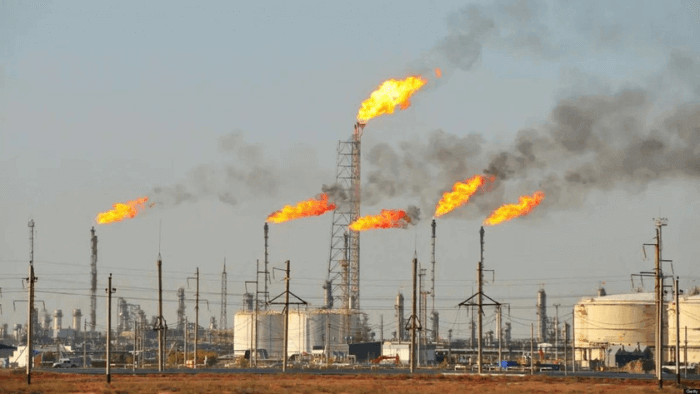
Nigeria’s gas flaring rate jumped to 7.48 per cent in August 2026, wiping out months of steady improvement and marking the worst monthly performance since October 2025, latest data from the Nigerian Upstream Petroleum Regulatory Commission (NUPRC) shows.
The setback is notable because it came in a month when gas utilisation was actually strong. Of the 245,439.13 million standard cubic feet (MMSCF) of gas Nigeria produced in August — a mix of associated and non-associated gas — 92.5 per cent, or 227,088.59 MMSCF, was captured for field operations, domestic supply and export. Yet 18,350.55 MMSCF still went up in flames, underscoring how infrastructure gaps rather than demand continue to drive Nigeria’s flaring problem.
Six months of progress erased
NUPRC’s monthly figures show the rate had been on a broadly downward path earlier in the year, falling to 6.77 per cent in June and 6.72 per cent in July after a low of 6.40 per cent in March. August’s reading reverses that trend entirely, jumping more than three-quarters of a percentage point in a single month and landing above every other reading recorded since last October.
Between January and August, Nigeria has flared a cumulative 131,564 MMSCF of gas.
Worse than last year, too
The month-on-month spike is compounded by a year-on-year decline. August 2025 saw 16,729.35 MMSCF flared, at a rate of 7.37 per cent; this August, both the volume and the rate rose — by 1,621.20 MMSCF (9.7 per cent) and 0.11 percentage points, respectively.
Fits a pattern regulators have struggled to break
The August numbers add to a run of unflattering global assessments of Nigeria’s flaring performance. The World Bank’s most recent Global Gas Flaring Tracker put worldwide flaring at a six-year high of 167 billion cubic metres in 2025, with Nigeria among the major oil producers where flared volumes rose even as crude production increased — a continuation of a trend the Bank had already flagged in its 2024 report, when Nigeria posted the second-largest volume increase of any flaring nation.
For a country that has repeatedly set — and missed — targets to eliminate routine flaring, the August figures suggest the gains claimed earlier in 2026 may be harder to sustain than regulators had hoped.
We’ve got the edge. Get real-time reports, breaking scoops, and exclusive angles delivered straight to your phone. Don’t settle for stale news. Join LEADERSHIP NEWS on WhatsApp for 24/7 updates →
Join Our WhatsApp Channel