
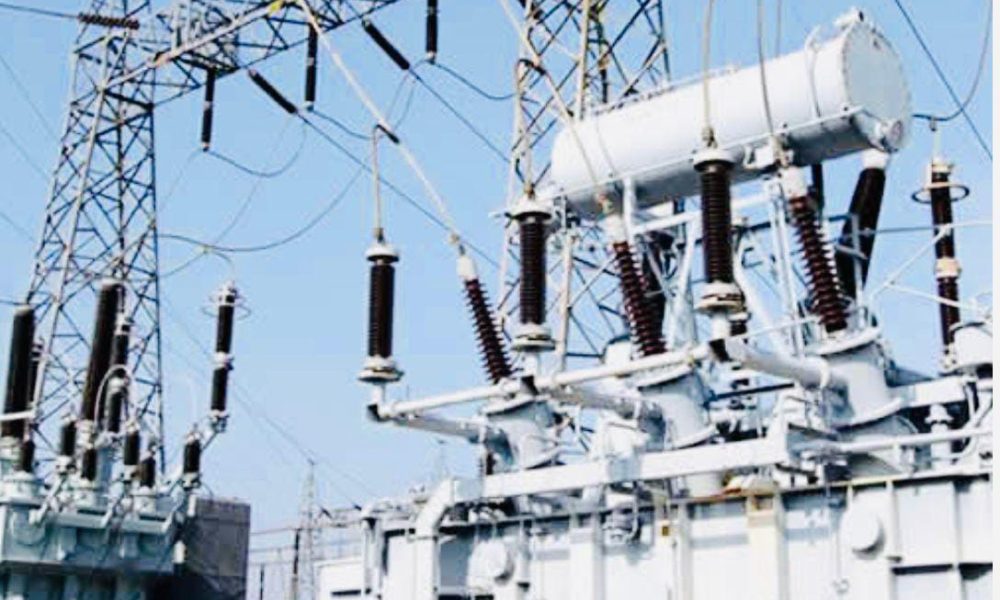
The Centre for the Promotion of Private Enterprise (CPPE) has said that rising energy costs in Nigeria which is further exacerbated by frequent electricity grid failures.
In its inflation brief for February, the CPPE cited data which estimates that unreliable electricity imposes annual economic losses of between N7 trillion and N10 trillion, while spending on generators exceeds N3.7 trillion annually.
This structural dependence means that energy price shocks quickly translate into higher production costs, transport costs and general price levels across the economy.
The Centre’s chief executive officer (CEO) Dr Muda Yusuf, further notes that the conflict currently ongoing in the Middle East has already triggered a surge in crude oil prices above $100 per barrel, amid disruptions to energy infrastructure and heightened risks to global supply routes, including the Strait of Hormuz.
For Nigeria, the transmission channels are direct and profound.
He said, “Rising global oil prices are already feeding into higher petrol and diesel prices, increased transportation and logistics costs, rising production costs across sectors, renewed exchange rate pressures and escalating food prices driven by input and distribution costs.
He added that there is a high likelihood that the current disinflation trend could be reversed if these external pressures persist.
Nigeria’s exposure to energy-driven inflation is intensified by structural weaknesses in the domestic economy, he stated, adding that the heavy reliance on petrol and diesel for power generation, due to unreliable electricity supply, creates a strong and immediate pass-through from global oil prices to domestic inflation.
In the current context, urgent and coordinated policy measures are required to cushion the impact of rising energy prices and sustain the fragile disinflation gains.
Priority should be accorded to strengthening domestic refining capacity through the provision of stable and reliable crude oil supply to local refineries, including the Dangote refinery, under supportive, predictable and, where feasible, concessionary terms.
This is crucial for moderating domestic fuel prices, easing pressure on foreign exchange demand and enhancing the country’s energy security.
Governments at all levels should also scale up investment in efficient and affordable public transportation systems as a key social protection measure. Transport costs have become a major channel of inflation transmission, and easing this burden would provide immediate relief to households.
In addition, fiscal barriers to renewable energy adoption should be removed.
He said that “Waivers on import duties and taxes on solar equipment, inverters and batteries would accelerate the transition to alternative energy sources and reduce dependence on expensive fossil-fuel-based self-generation. Additionally, all maritime charges should be suspended to ease the escalating shipping cost amidst the sharp increase in marine insurance globally.”
More fundamentally, there is an urgent need to improve electricity supply. Reliable power remains the most effective long-term solution to Nigeria’s energy cost crisis. Strengthening generation, transmission and distribution infrastructure, alongside support for decentralized energy solutions, would significantly reduce production costs and inflationary pressures.
In the short term, flexible and remote work arrangements should also be encouraged where feasible, as a means of reducing commuting costs and mitigating the welfare impact of rising fuel prices.
According to Yusuf, “Monetary and fiscal authorities must remain cautious and disciplined. The resurgence in monthly inflation and the emergence of external shocks suggest that premature policy easing would be risky. Oil revenue windfalls should be managed prudently, with emphasis on strengthening foreign exchange reserves and supporting productive sectors of the economy.”
We’ve got the edge. Get real-time reports, breaking scoops, and exclusive angles delivered straight to your phone. Don’t settle for stale news. Join LEADERSHIP NEWS on WhatsApp for 24/7 updates →
Join Our WhatsApp Channel