The Nigerian Independent System Operator (NISO) has pledged full backing for the Gombe State’s plan to close the 170 megawatts (MW) of electricity gap, as the state
currently draws just 30MW from the national grid against an estimated requirement of 200MW.
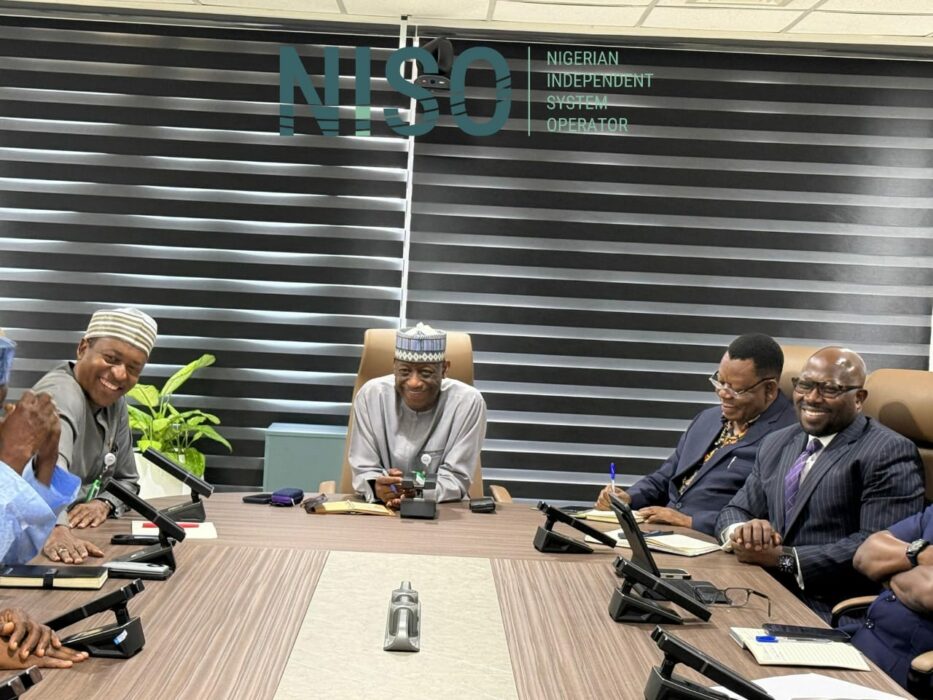
The Gombe State Electricity Regulatory Commission (GOSERC) disclosed this afternoon a meeting of its officials with NISO in Abuja on Monday to chart a path toward expanded power supply.
GOSERC chairman, Dr Usman Abba Arabi, who made this known, noted that the supply gap of roughly 170MW is threatening to undercut the state’s ambitions as a commercial and industrial hub in the North East.
Arabi said Governor, Muhammadu Inuwa Yahaya has mandated the commission to close the gap, with around 30 mini-grids currently under development as part of the state’s power expansion push — though he acknowledged the transition would require closer collaboration with NISO.
The scale of the shortfall sits uneasily against NISO’s own framing of Gombe as a state whose growth is being held back by inadequate power. NISO managing director, Engr. Abdu Bello Mohammed, pointed to the state’s new industrial park and its coal reserves as justification for scaling up supply, and pledged that NISO would “support 100 per cent” efforts to develop a workable business model for expanded access.
He also urged GOSERC to treat Sabana, the state’s power distribution licensee, as a partner rather than a rival, arguing that stronger DisCo collaboration would improve revenue collection in the state’s electricity market.
Beyond the supply numbers, the meeting surfaced a structural issue: market participation.
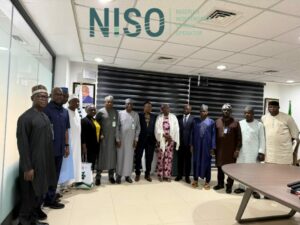
NISO’s executive director, Market Operations, Dr Edmond Eje, told GOSERC that all distribution companies licensed to operate in the state must formally register with NISO as market participants, since they interface directly with the national grid — a compliance step that has implications for how power is settled, billed and dispatched to the state.
NISO’s executive director, Finance and Corporate Services, Babajide Ibironke, described the agency’s role as a “quasi-regulator” maintaining an “open-door policy” with subnational regulators like GOSERC.
Gombe became the first state in the North East to establish its own electricity regulatory commission, a distinction Mohammed credited to Governor Yahaya’s prioritisation of power infrastructure. But the 30MW-to-200MW gap disclosed at the meeting underscores that institutional firsts have yet to translate into proportionate electricity access — leaving the state’s mini-grid rollout and its NISO partnership as the immediate tests of whether that gap can meaningfully close.
We’ve got the edge. Get real-time reports, breaking scoops, and exclusive angles delivered straight to your phone. Don’t settle for stale news. Join LEADERSHIP NEWS on WhatsApp for 24/7 updates →
Join Our WhatsApp Channel