The Nigerian Liquefied Natural Gas Plc (NLNG) said it had remitted $10.8 billion in taxes to the federal government and has paid $47.2 billion in dividends since it began operations, the company said on Tuesday.
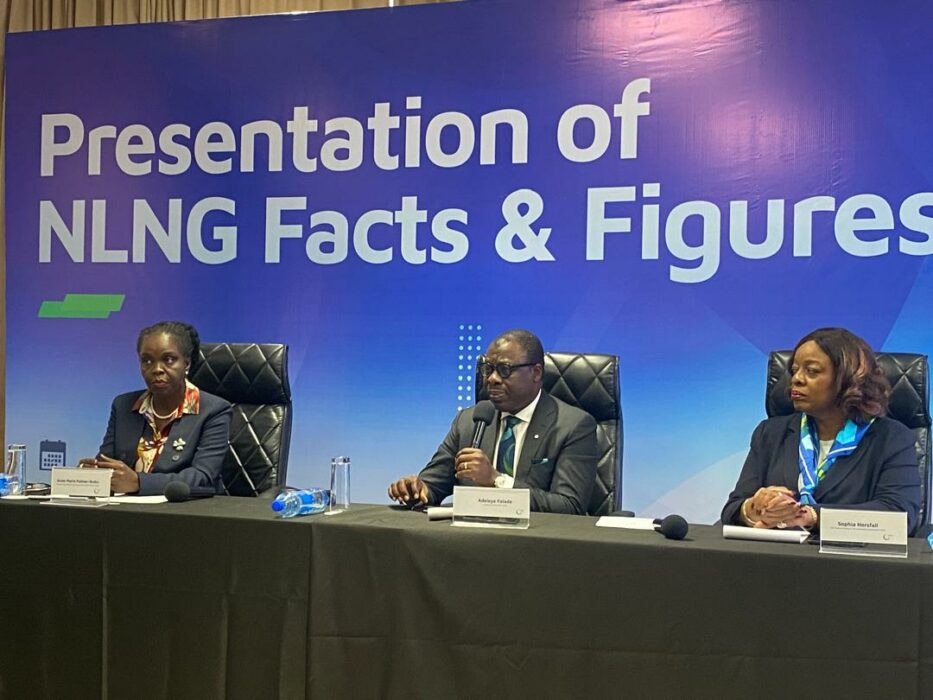
The NLNG disclosed the figures during an interactive session with the media, highlighting the company’s contribution to federal revenues and to its shareholders over more than two decades of operations.
Presenting highlights of the Company’s performance since commencement of operations, the managing director and chief executive officer, Adeleye Falade, noted that NLNG has generated over US$149.6 billion in revenue, paid more than US$47.2 billion in dividends to shareholders, and remitted over US$10.8 billion in taxes to the federal government since becoming tax compliant.
Recall that NLNG began commercial operations in 1999, when the first LNG train on Bonny Island started production.
Falade said the company has also built an asset base exceeding US$22.9 billion, loaded more than 6,285 LNG cargoes, and continues to supply over 500,000 tonnes of LPG annually to the Nigerian market.
“We have generated US$149.6 billion in revenue and paid US$47.2 billion in dividends,” he said. “Our tax payments of over US$10.8 billion show the role NLNG plays in supporting public finance and national development.”
Falade told the interactive Facts & Figures session that the company’s fiscal contributions were part of a broader record of delivery.
He said NLNG had built an asset base exceeding $$22.9 billion and had loaded more than 6,285 LNG cargoes since start-up. “These milestones underscore our enduring contribution to Nigeria’s economy, energy security and global competitiveness,” he said.
On the significance of tax compliance, Falade said the company’s payments had strengthened its relationship with the government and reinforced public trust. “Becoming tax compliant was the right step for NLNG and for Nigeria. Our remittances have supported public finances and signalled our commitment to transparent, responsible business,” he said.
Falade said dividends paid to shareholders reflected the company’s consistent commercial performance and its capacity to deliver long-term value.
“Paying US$47.2 billion in dividends shows that NLNG can generate value for investors while funding growth and national priorities,” he said.
NLNG’s general manager, External Relations and Sustainable Development, Sophia Horsfall, said the annual presentation aimed to give journalists clear facts to inform reporting. “Providing timely access to credible information enables informed reporting and strengthens public understanding of the role natural gas plays in Nigeria’s economic development,” she said. She added that the company would continue to deepen engagement with the media.
Falade linked NLNG’s fiscal record to the company’s ongoing growth plans, including the Train 7 expansion, which he said would raise capacity from 22 MTPA to about 30 MTPA and boost local LPG supplies. “Our financial strength and track record put us in a strong position to deliver Train 7 safely and on time,” he said, adding that the project would create jobs and support industrialisation.
Acknowledging industry challenges, Falade warned that feedgas availability remained a priority for the sector but said collaboration with government and upstream partners — supported by recent reforms — would help secure long-term supplies. “Feedgas availability is a priority, but we are confident that collaboration and reforms will underpin future growth,” he said.
Horsfall said NLNG’s fiscal contributions and transparency were intended to foster better public discourse and policy-making. “We want to ensure the public and policymakers have the facts needed to make informed decisions about Nigeria’s gas future,” she said.
Train 7 to Boost LPG Supply by 250,000t — Domestic Market Gains 50%
NLNG said its Train 7 project will increase production from 22 MTPA to about 30 MTPA, an expansion of roughly 35 per cent.
Falade described the scheme as “one of Africa’s largest LNG expansion projects” and said the company’s priority was the safe delivery of the plant. “Train 7 will lift our capacity to 30 MTPA,” he said, adding that the move signalled NLNG’s confidence in Nigeria’s gas future.
NLNG said Train 7 will increase LPG output by about 50 per cent, adding roughly 250,000 tonnes a year to local supply. “Train 7 will not only raise export capacity but will also significantly increase LPG for local use,” Falade said.
The company already supplies more than 500,000 tonnes of LPG annually and said the extra volume would support cooking fuel availability and industrial needs.
We’ve got the edge. Get real-time reports, breaking scoops, and exclusive angles delivered straight to your phone. Don’t settle for stale news. Join LEADERSHIP NEWS on WhatsApp for 24/7 updates →
Join Our WhatsApp Channel