
A 2027 presidential, Mr Francis Onyema, has weighed in on the controversy surrounding the support of some business figures for the “City Boy Movement,” stating that Nigeria’s political culture is deeply rooted in patronage and personal interest.
Onyema’s remarks came amid sustained criticism of prominent businessmen, including Obi Cubana and Cubana chief priest, over their association with the movement inspired by President Bola Ahmed Tinubu.
In a statement issued to journalists in Abuja, Onyema argued that many critics of these businessmen are themselves part of the same system they condemn, citing vote-selling and electoral malpractice as major contributors to Nigeria’s leadership challenges.
“I have carefully examined the situation and found that those who criticise these businessmen for joining the City Boy Movement are equally immersed in the same distasteful practice of patronage politics,” he said.
He questioned the basis of such criticisms, noting that many Nigerians engage in practices that undermine credible elections.
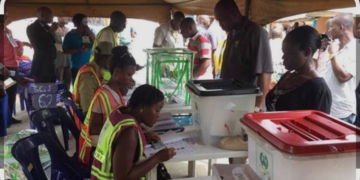
“What difference does it make to criticise individuals for political alignment when some citizens sell their votes or allow themselves to be used to disrupt free and fair elections?” he asked.
Onyema described the trend as reflective of a broader societal problem, where elections are often seen as opportunities for personal gain rather than platforms for selecting competent leadership.
“It is unfortunate that many Nigerians see every electoral cycle as a chance to make money or benefit from the political class. This culture has now shaped how people make decisions at the polls,” he added.
While acknowledging that figures like Obi Cubana may be motivated by the pursuit of influence and economic advantage, Onyema stressed that the issue extends beyond individuals to a systemic challenge.
“This is not to exonerate anyone. However, the persistence of this give-and-take politics suggests a troubling pattern — we are all ‘City Boys’ by culture. Politics is widely perceived as a means of advancing personal interests,” he said.
According to him, as long as this mindset persists, individuals who derive political relevance from wealth and access, rather than competence, will continue to dominate Nigeria’s political landscape.
He reiterated that elections should be driven by ideas and policy debates rather than financial inducements or political structures.
“Elections must be a contest of ideas. Until that becomes our political culture, movements driven by personal gain will continue to shape our political environment,” Onyema said.
He called on Nigerians to prioritise credible leadership and long-term national development over short-term benefits, emphasising that nation-building requires sacrifice.
“We can reverse this trend by electing leaders based on convincing plans to address our challenges, not simply because of past positions or political influence,” he stated.
We’ve got the edge. Get real-time reports, breaking scoops, and exclusive angles delivered straight to your phone. Don’t settle for stale news. Join LEADERSHIP NEWS on WhatsApp for 24/7 updates →
Join Our WhatsApp Channel