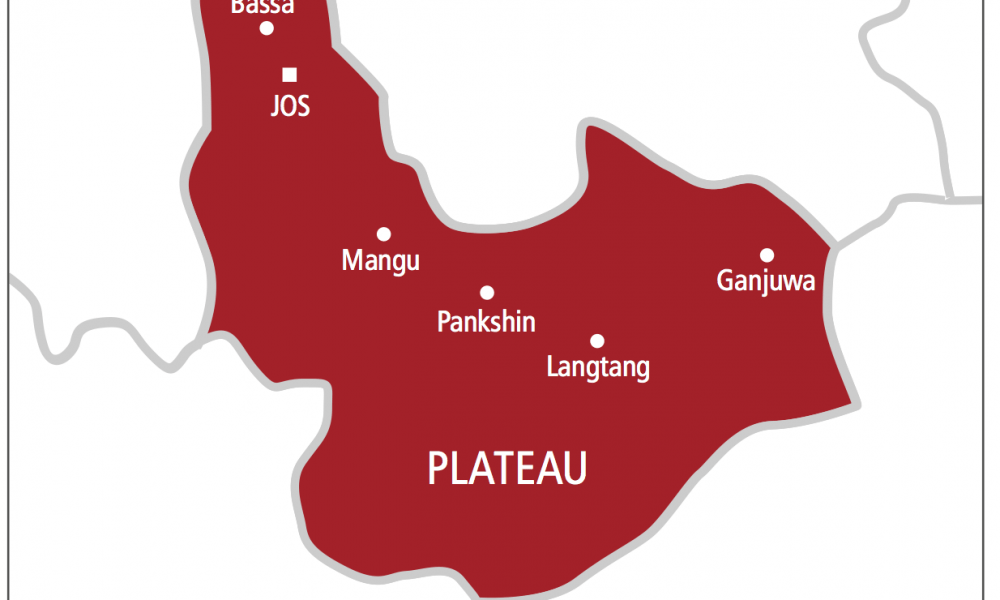
A peacebuilding organisation, Engaging Borders SRD, has engaged young people from Kaduna and Plateau states in a series of dialogue-focused activities aimed at promoting peaceful coexistence, civic responsibility and non-violent approaches to conflict under its Delimi PROSPER Project.
The forums followed a two-month capacity-building programme that trained 60 indigenous youths in digital advocacy, peace messaging and the development of counter-narratives to hate speech and violence.
Implemented with support from the Strengthening Peace and Resilience in Nigeria Programme and funded by the UK Foreign, Commonwealth and Development Office, the initiative sought to create inclusive, physical spaces for dialogue at the community level.
Organisers said the approach was intended to complement digital engagement by reviving traditional platforms for discussion, grievance airing and conflict de-escalation.
Special assistant to the governor on climate change, Yusuf Idris Amoke, who delivered the keynote address, challenged citizens to reflect on their roles in governance beyond criticism.
Speaking on participation and accountability, Amoke said those who criticise government from outside must also demonstrate commitment and initiative when they are given the opportunity to serve.
“I’m part of the government. Before I was part of the government, I was outside and later on, I’ll still step outside again for others to step in.
“Before coming into government, we were insulting the government, we were criticizing the government, we were pointing out the excesses and shortcomings of the government. And now we are in government, what are we doing differently to change the course?” Amoke said.
Executive-director of Engaging Borders SRD, Richard Ali said the peace public squares were a central element of the Delimi PROSPER Project’s design.
He explained that the organisation deliberately chose physical dialogue spaces at a time when peacebuilding interventions are often assumed to be driven mainly by technology.
“Despite our differences as individuals, despite whatever religion or ethnicity, we are first of all humans and first Nigerians,” Ali added.
The peace public squares featured poetry performances, interactive panel discussions and community reflections on peacebuilding, governance and social cohesion.
Participants at the events said the engagements helped reinforce a sense of shared humanity and national identity across religious and ethnic lines.
We’ve got the edge. Get real-time reports, breaking scoops, and exclusive angles delivered straight to your phone. Don’t settle for stale news. Join LEADERSHIP NEWS on WhatsApp for 24/7 updates →
Join Our WhatsApp Channel