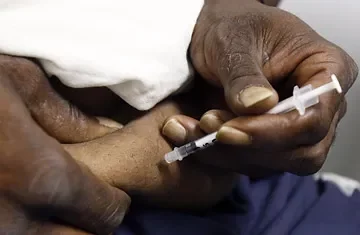
Concerns are growing among diabetes patients in Bauchi State as the high cost of managing the condition continues to rise, making routine medication and screening increasingly difficult to afford.
Many patients fear that without intervention from government agencies, non-governmental organisations and philanthropists, more people living with diabetes may face preventable complications that threaten their quality of life.
A diabetic patient, Hajara Yakubu Gital, said the struggle with diabetes had become more demanding in recent months.
She explained that the cost of insulin, test strips and routine laboratory checks continues to increase beyond the reach of ordinary households.
According to her, many diabetic patients now skip essential medications due to financial challenges, a situation she described as “dangerous and heartbreaking.”
Yakubu revealed that even transport to hospital facilities now poses a burden to some patients, especially those who depend on regular check-ups.
She appealed to relevant authorities to intervene by subsidising medical consumables and expanding access to affordable care.
“If support comes, many lives will be saved,” she noted, stressing the need for structured welfare support for diabetic patients across the country.
She further urged well-meaning individuals and NGOs to step in with palliatives that include medications, glucometers, and strips for continuous monitoring.
Another patient, Aminu Abdullahi, shared similar concerns, noting that the cost of treatment has risen sharply in the past year.
He said many patients now rely on help from family members and friends to purchase medications or attend clinic appointments.
“Things were easier before, but now even the basics are difficult to afford,” he lamented.
Aminu described his daily routine of monitoring his blood sugar level as a task that demands discipline and financial commitment.
He expressed fears that more patients may develop complications if the situation remains unattended.
He joined other patients in appealing to the government, humanitarian groups, and donor foundations to scale up support programmes that provide drugs and consumables.
He emphasised that timely intervention could prevent life-threatening complications such as kidney failure, blindness, and amputations. “Diabetes does not only affect the patient, it affects the entire family,” he added. “If we get assistance, we can manage this condition better and live normally.”
A Consultant Endocrinologist at the Abubakar Tafawa Balewa University Teaching Hospital (ATBUTH), Bauchi, Dr. Ayuba Mogana, has also raised concerns over the rising cost of diabetes management in Nigeria.
He warned that many patients can no longer afford routine screening, exposing them to severe and avoidable complications.
Dr. Mogana explained that the economic hardship faced in the country has contributed to a decline in regular medical checks, leading to more cases of neuropathy, tingling sensations, numbness, and other complications.
He stressed that diabetes affects almost every household either directly or indirectly, hence the need for urgent support from families, employers, government agencies, and NGOs.
Also speaking, chairperson of the Diabetes Association of Nigeria, Bauchi State Chapter, Hajiya Uwa Shehu Abubakar, said the World Diabetes Day event aimed to raise awareness on prevention and proper management of the disease.
She commended the Hauwa Bako Foundation for offering free blood sugar tests and free drugs to members, describing the gesture as beneficial to many low-income patients.
As cost continues to rise, diabetic patients and health professionals collectively call for increased intervention to save lives and ensure better management of the condition across Nigeria.
We’ve got the edge. Get real-time reports, breaking scoops, and exclusive angles delivered straight to your phone. Don’t settle for stale news. Join LEADERSHIP NEWS on WhatsApp for 24/7 updates →
Join Our WhatsApp Channel