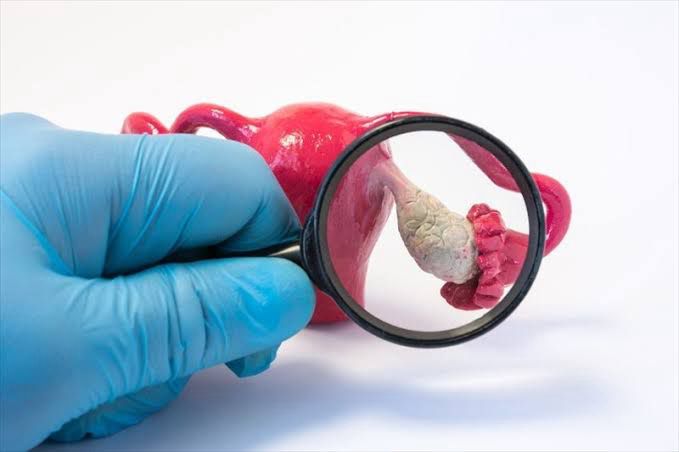
Polycystic Ovary Syndrome (PCOS) is a common hormonal disorder that affects people with ovaries (women) typically during their reproductive years. It is characterised by a combination of symptoms.
Symptoms:
* Irregular menstrual cycles: Women with PCOS often have irregular or absent periods. Some may experience heavy bleeding during their monthly flow.
* Ovulatory problems: PCOS can lead to difficulty in ovulating regularly, which can affect fertility.
* Excess androgen hormones: Elevated androgen levels in PCOS can result in symptoms such as acne, oily skin, hirsutism (excessive facial or body hair), and male-pattern baldness.
* Polycystic ovaries: On ultrasound, the ovaries of individuals with PCOS may show multiple small cysts (fluid-filled sacs), although not everyone with PCOS has these cysts.
* Weight gain: Many individuals with PCOS struggle with weight gain or obesity.
* Insulin resistance: Some may develop insulin resistance, which can increase the risk of type 2 diabetes.
* Mood changes: PCOS may be associated with mood disorders like depression and anxiety.
Risk Factors:
The exact cause of PCOS is not fully understood, but several factors are believed to contribute to its development. Risk factors for PCOS include:
* Genetics: PCOS tends to run in families, suggesting a genetic component. If you have a close female relative (such as a mother or sister) with PCOS, you may have a higher risk.
* Hormonal Imbalances: Hormonal disruptions play a key role in PCOS. Elevated levels of androgens (male hormones) and insulin resistance are common features.
* Insulin Resistance: Many individuals with PCOS have insulin resistance, which can lead to higher insulin levels in the body. This can affect ovarian function and contribute to the symptoms of PCOS.
* Obesity: Excess body weight, particularly abdominal obesity, is a significant risk factor for PCOS. Obesity can exacerbate insulin resistance and hormonal imbalances.
* Sedentary Lifestyle: Lack of physical activity and a sedentary lifestyle can contribute to obesity and worsen insulin resistance, which can increase the risk of PCOS.
It’s important to note that while these are risk factors, they don’t guarantee that someone will develop the syndrome. PCOS is a complex condition with varying presentations, and not everyone with these risk factors will experience it.
Recently, a Nollywood actress, Juliana Olayode, known as Toyo Baby, revealed her personal struggle with PCOS.
In a recent video posted on her YouTube channel, the actress recounted a challenging period where she endured relentless four-month-long bleeding episodes. She bravely delved into the hurdles posed by irregular menstrual cycles, weight gain, and acne, all stemming from her battle with PCOS.
Toyo Baby shared her turning point, explaining that she reached a moment of exhaustion with constant medication and decided to turn to faith and prayer. Miraculously, she witnessed a transformation in her health.
Upon her healing, the actress recognised the need to make significant adjustments to her lifestyle, particularly in terms of her dietary choices. She emphasized the profound impact of nutrition on overall health and well-being.
She said: “I bled for four months nonstop. I’m sharing this because I know there are a lot of women battling with hormonal imbalance/PCOS. You probably feel tired, weird, and ashamed. You probably have spent so much money on medication and haven’t seen any changes. I was dealing with hormonal imbalance/PCOS and Psoriasis at the same time. I woke up one day and said ‘Enough is enough.’ I was tired of swallowing drugs and applying all sorts of ointments on my skin. I prayed and exercised my faith, and everything changed. When I got my healing, I also had to change my lifestyle, especially the foods I eat”.
She stressed that her intention is not to discredit the efficacy of medications or discourage seeking medical assistance. Instead, she passionately shared her personal journey of how faith became a pivotal factor in her recovery when she felt weary of relying solely on medication.
Overcoming PCOS:
PCOS is a lifelong journey that involves managing the condition rather than finding a complete cure, as PCOS is a chronic condition. Here are some steps to help manage PCOS effectively:
* Consult a Healthcare Provider:
The first and most crucial step is to consult a healthcare provider, preferably a gynecologist or endocrinologist, who can diagnose PCOS and provide personalized guidance on managing the condition.
* Lifestyle Modifications:
Diet: Adopt a balanced diet that includes whole grains, lean proteins, fruits, vegetables, and healthy fats. Limit processed foods, sugars, and refined carbohydrates. Some people find success with low-carb or Mediterranean diets.
Exercise:
Regular physical activity can help improve insulin sensitivity, manage weight, and alleviate some PCOS symptoms. Aim for at least 150 minutes of moderate-intensity exercise per week.
Weight Management:
If overweight, losing even a modest amount of weight (5-10% of your body weight) can significantly improve PCOS symptoms and hormonal balance.
Medications:
Your healthcare provider may prescribe medications based on your specific symptoms and needs. Common medications for PCOS include:
– Birth control pills to regulate menstrual cycles and manage androgen-related symptoms.
– Anti-androgen medications to address hirsutism and acne.
– Metformin to improve insulin sensitivity, especially if you have insulin resistance.
Fertility Treatment:
If you’re trying to conceive and struggling due to PCOS-related fertility issues, consult a reproductive endocrinologist. Fertility treatments like ovulation induction or in vitro fertilization (IVF) may be options.
Manage Stress:
High stress levels can exacerbate PCOS symptoms. Incorporate stress-reduction techniques such as meditation, yoga, deep breathing exercises, or counseling into your routine.
Regular Medical Check-ups:
Continue to see your healthcare provider for regular check-ups to monitor your progress, adjust medications if necessary, and address any new concerns.
Remember that PCOS varies from person to person, and what works for one individual may not be the best approach for another. Personalised care and lifestyle modifications tailored to your specific symptoms and needs are key to effectively managing PCOS. It’s essential to work closely with your healthcare provider to develop a plan that works for you.
We’ve got the edge. Get real-time reports, breaking scoops, and exclusive angles delivered straight to your phone. Don’t settle for stale news. Join LEADERSHIP NEWS on WhatsApp for 24/7 updates →
Join Our WhatsApp Channel