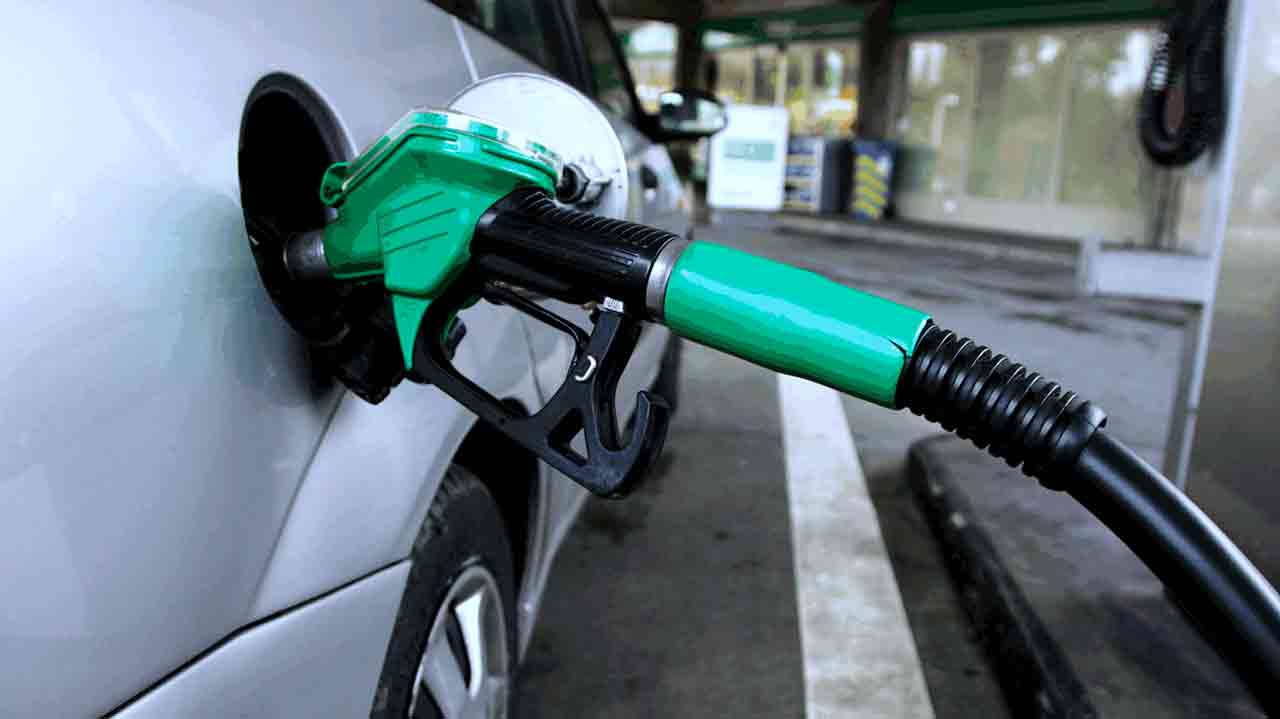
Petrol imports surged to 52.1 million litres in November, marking an increase despite a decline in domestic consumption, the industry regulator has reported.
Data from the Nigerian Midstream and Downstream Petroleum Regulatory Authority (NMDPRA) revealed that petrol imports surged to 52.1 million litres per day in November 2025, despite an overall decline in the country’s daily petrol consumption.
The latest Fact Sheet showed that Nigeria’s average daily petrol consumption dropped to 52.9 million litres in November, down from 56.74 million litres in October 2025 and 56.0 million litres in November 2024.
While the quantity of petrol imported rose significantly from 27.6 million litres per day in October to 52.1 million litres per day in November, local refineries supplied 19.5 million litres daily, marking an increase over October’s 17.08 million litres.
This increase in local supply was mainly driven by the Dangote Refinery, which boosted its output from 18.03 million litres per day in October to 23.52 million litres in November.
Despite this growth, Dangote’s output remains below the 35 million litres daily target initially set by the regulator.
Conversely, the refineries operated by the Nigerian National Petroleum Company (NNPC) Limited in Port Harcourt, Warri, and Kaduna remained offline throughout the period due to ongoing rehabilitation and shutdowns.
According to the regulator, the surge in imports was triggered by low supply levels in September and October 2025, which fell short of national demand, the need to shore up national stock ahead of end-of-year peak consumption, NNPC’s importation efforts to rebuild inventory and ensure supply security, and delayed offloading of 12 vessels initially scheduled for October but discharged in November.
“The need for boosting national stock levels to meet the peak demand period of end-of-year festivities, imports by the Nigeria National Petroleum Company Limited (NNPC), the supplier of last resort, in November 2025, to build inventory and further guarantee supply during the peak demand period,” NMDPRA stated.
Recall that in September last year, the federal government said the Dangote Refinery would supply Nigeria’s domestic market with 25 million litres of petrol daily and 35 million litres daily from October.
The data raised concerns about a recent move by the Nigerian government to place a tariff on petrol imports, despite the inability of local refineries to meet demand.
On November 13, the Nigerian government said the implementation of a 15 per cent import duty on petrol and diesel, announced by President Bola Tinubu in October, was “no longer in view”.
The tariff would have aimed to “strengthen local refining capacity, and ensure a stable, affordable supply of petroleum products across Nigeria.”
The policy, however, was met with criticism from various stakeholders, energy experts, and civil society groups, who argued that it would lead to higher fuel prices and worsen the country’s economic situation.
Following the approval, Dangote Refinery, the largest oil refiner in the West African country, stated that there was no need for petrol imports, adding that it produces enough petrol and diesel for local consumption.
Meanwhile, the highest consumption within the one-year review period, was in October 2025, followed by November 2024 (56 million litres) and April 2025 (55.2 million litres), the report noted.
Nigerians also consumed an average of 15.4 million litres/day of diesel daily in November, alongside 2.5 million litres/day of aviation fuel and 3,992mt/day of cooking gas.
The regulator also highlighted the wide variation in petrol pump prices nationwide, with Lagos recording the lowest average price at N910 per litre and Maiduguri the highest at N982.50 per litre. Pump prices in other cities stood at N945.50 in Abuja, N975 in Kano, N927 in Calabar, N971.50 in Sokoto, N923.50 in Ibadan and N948 in Enugu.
We’ve got the edge. Get real-time reports, breaking scoops, and exclusive angles delivered straight to your phone. Don’t settle for stale news. Join LEADERSHIP NEWS on WhatsApp for 24/7 updates →
Join Our WhatsApp Channel