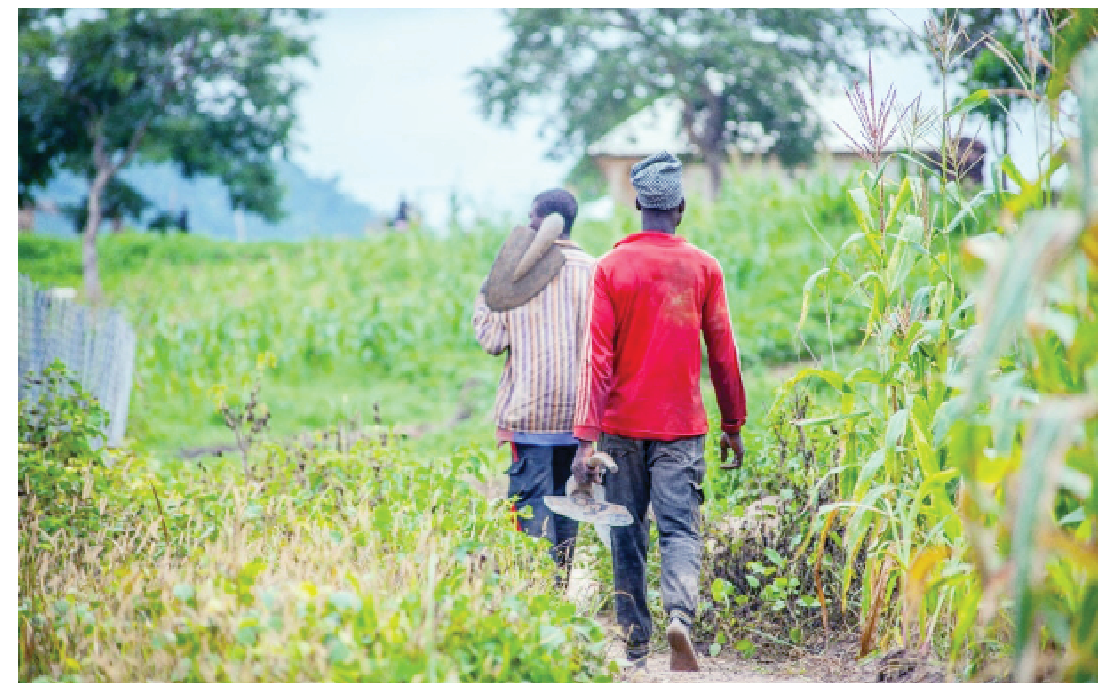
Farmers and Herders have signed a landmark agreement to strengthen inter-ethnic cooperation and cohesion to end recurring clashes in two local government areas of Plateau State.
The peace deal was brokered by the Institute for Integrated Transitions (IFIT), with funding from German GIZ Peace Core ll Project as part of the BMZ’s Nigeria Cooperation.
This came after a six-month of rigorous interaction between the farmers and herders on possible triggers of the clashes.
The agreement covered areas such as deliberate damage to farms and the destruction of crops, determining appropriate compensation for crops destroyed/encroached, locking and closure of cattle routes and watering points, raping of women, provocative utterances and harassment, grazing by young children causing damages to crops and collective accusations and labelling of entire ethnic groups over criminal activities.
Other areas are implementing compensation claims, violent reactions over disagreements during grazing and farming activities in the fields, drug and substance abuse and kidnappings.
It was cemented at a learning and exchange workshop on building social cohesion in rural communities in the state held at the Novel Hotel and Suites.
The IFIT country director, Thomas Vimba Jnr, said the institute facilitated negotiated settlements of disputes between farmer and herder communities in six rural communities of Riyom and Bokkos LGAs of Plateau State by leveraging and strengthening the leadership capacities of women, youth actors and members of disadvantaged groups at the community level such that they have a platform and capacity to co-facilitate negotiated settlements.
According to him, the project was initiated due to the increasing violence in rural communities in the state with the primary goal of addressing and reducing the menace of farmer/herder conflicts.
He said that the idea was to use initiative by allowing the residents to drive the process themselves, meaning the organisers don’t impose solutions from the outside but rather work with communities to develop their own.
Meanwhile, GIZ representative, Seth Keplan, said the organisers chose to focus on the Middle Belt region of Nigeria because it is considered the most ethnically and religiously diverse part of the country.
According to her, the agency emphasises the importance of going to the communities, meeting with them and empowering them to drive their peace processes as they are the ones living with the issues.
Also, the senior district head of Sha, Mr. David, said with the long and inclusive process they had followed, the programme had succeeded in convincing them that peace had truly come to stay in their communities
According to him, “there are villages that are not even accessible by mobile networks, yet you see these people trekking to such areas.”
We’ve got the edge. Get real-time reports, breaking scoops, and exclusive angles delivered straight to your phone. Don’t settle for stale news. Join LEADERSHIP NEWS on WhatsApp for 24/7 updates →
Join Our WhatsApp Channel