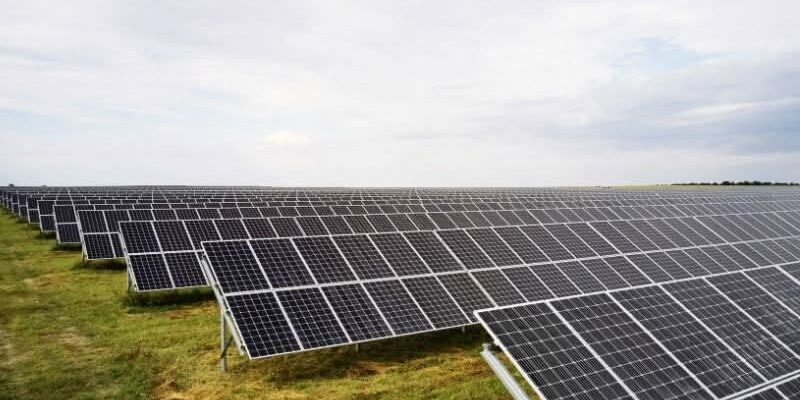
The Rural Electrification Agency (REA) has inaugurated two major solar mini-grid projects in Kano State comprising a 1.5MW installation system for the National Orthopaedic Hospital, Dala, and 6MW expansion project at Bayero University Kano (BUK).
The projects are aimed at strengthening electricity supply at the two crucial public institutions.
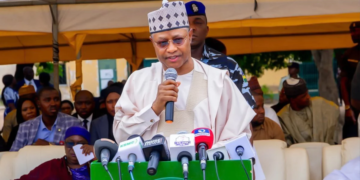
Speaking at the groundbreaking ceremony in Dala, REA Managing Director, Abba Aliyu, said the projects formed part of the National Public Sector Solarization Initiative targeting four key sectors including education, health, agriculture and security.
Aliyu said 15 federal universities have already benefitted under the education component, noting that the BUK project involves rehabilitating and expanding an existing hybrid mini-grid from 3.5 to 6 megawatts.
The REA Managing Director explained that President Bola Tinubu has approved N100 billion in the 2025 national budget for the Initiative aimed to deliver clean, reliable electricity and reduce fuel dependence and operational costs in Nigeria’s leading public institutions.
Aliyu noted that the National Orthopaedic Hospital, established in 1959, was selected for its long history of providing specialised medical services and its growing energy needs.
He added that the installation at the Dala Hospital would also support its newly acquired MRI machine, which requires uninterrupted power supply.
“This is a nexus while we provide electricity reliability, the Nigerian National Petroleum Company (NNPC) is providing MRI equipment to strengthen diagnostic services,” he said.
On the cost of the projects, he noted that final figures would depend on the enhancement of existing distribution infrastructure and metering requirements.
He assured that more power interventions were underway across the region, adding that the agency is working to close Nigeria’s electricity access gap.
In his remarks, the Chief Medical Director of the Orthopaedic Hospital, Dr. Isa Nuruddin, described the project as timely, especially as hospitals grapple with rising electricity tariffs.
He added that running the MRI on diesel would have been prohibitively expensive, noting that, with the solar project, the cost of services will surely come down, with the patients directly feeling the impact.
We’ve got the edge. Get real-time reports, breaking scoops, and exclusive angles delivered straight to your phone. Don’t settle for stale news. Join LEADERSHIP NEWS on WhatsApp for 24/7 updates →
Join Our WhatsApp Channel