
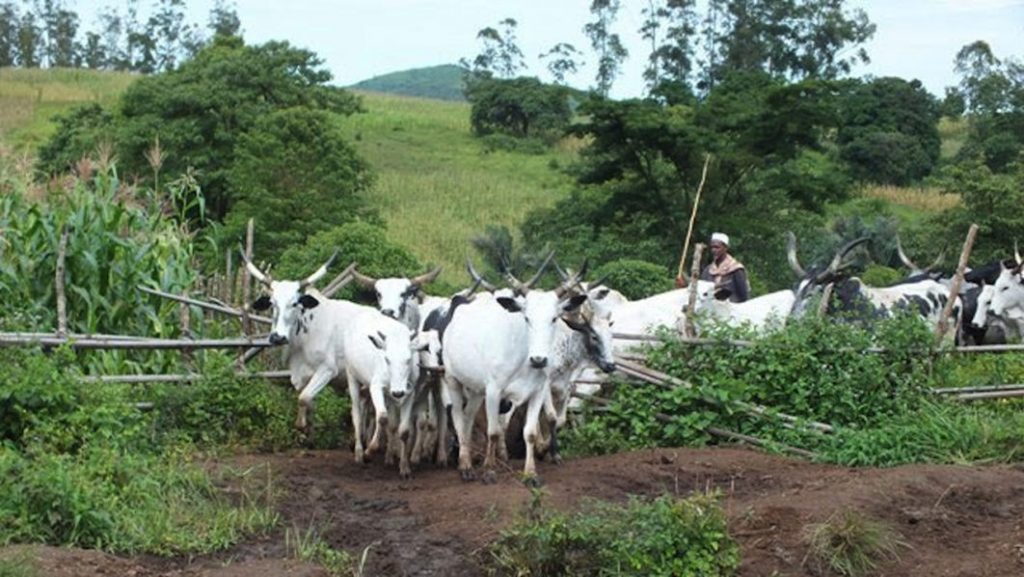
Residents of Gombe State have commended the commitment of the state government to the commencement of the implementation of the White Paper on grazing, forest and game reserves and designated cattle routes across the state.
They described the move as a timely intervention to prevent farmer–herder conflicts and protect farmlands ahead of the 2026 farming season.
LEADERSHIP had reported that the implementation committee, chaired by AIG Babaji Sunday (rtd.), had announced the commencement of enforcement of the government’s directives during visits to traditional rulers in Nafada and Funakaye Emirates to seek their support.
Many residents who spoke to this paper on the development expressed optimism that the reforms would strengthen security, safeguard agricultural lands and promote peaceful coexistence between farmers and herders.
Isah Mai Rake, a farmer in Nafada, said the initiative could help avert the recurring clashes between farmers and herders witnessed in many parts of northern Nigeria.
He added that, if the government is taking steps early to define grazing reserves and cattle routes, it will help farmers cultivate their lands without fear.
For Hamidu Mohammed, the enforcement plan is a proactive measure to protect farmlands and improve food production.
“For several years, farmers have complained about cattle straying into farms. If the government enforces designated routes and reserves properly, it will reduce the destruction of crops and improve harvest,” he said.
Several residents believe the policy could significantly reduce rural insecurity if implemented transparently and with community participation.
For Joseph Haruna, a resident of Billiri, the government should intensify awareness campaigns to ensure that farmers, herders and community leaders clearly understand the boundaries of grazing reserves and cattle routes.
“Many disputes occur because people are not aware of the official boundaries. Continuous sensitisation will help prevent misunderstandings,” he added.
Some locals also commended the government for involving traditional rulers in the implementation process, saying their influence would help ensure compliance at the grassroots level.
Alhaji Sani Mohammed, a trader in Gombe metropolis, said traditional institutions remain critical to the success of such reforms.
“When Emirs and District Heads are involved, people tend to respect the directives. This will help ensure communities cooperate with the committee”.
Others, however, urged the government to ensure fairness and proper enforcement so that the reforms do not unfairly affect either farmers or pastoralists.
Abdullahi Lawal, a herder, said pastoralists are ready to comply with the regulations provided that the designated grazing reserves and cattle routes are clearly identified and protected from encroachment.
“We support any policy that will bring peace, but the grazing reserves must be properly protected so that cattle can move without problems,” he said.
Most locals reached out by this paper also expressed hope that the reforms would help address environmental challenges, including the encroachment on forest reserves and the destruction of natural resources.
The White Paper Implementation Committee had earlier stated that advocacy and sensitisation efforts are ongoing across communities to ensure stakeholders understand the regulations before the peak of the farming season.
The initiative is part of the state government’s strategy to prevent farmer-herder clashes, protect agricultural lands and strengthen rural security across the state.
We’ve got the edge. Get real-time reports, breaking scoops, and exclusive angles delivered straight to your phone. Don’t settle for stale news. Join LEADERSHIP NEWS on WhatsApp for 24/7 updates →
Join Our WhatsApp Channel