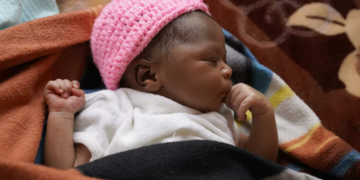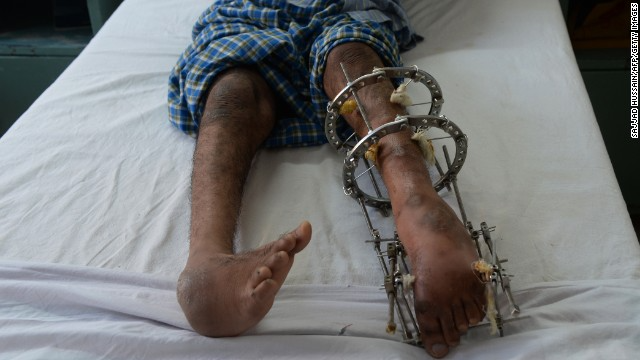
The resurgence in Nigeria of Poliomyelitis, a severe infectious viral disease, usually affecting children or young adults, that inflames the brainstem and spinal cord, sometimes leading to loss of voluntary movement and muscular wasting, is bad news. But it is a distressing reality, marking a significant setback in the nation’s collective efforts against a disease that was once successfully combated. It is disheartening that Nigerian children are once again exposed to and confronted with this threat.
The re-emergence of this menace can be attributed to a failure on the part of all of us to sustain the progress previously achieved. Despite being declared Wild Polio Virus-free in 2020 by the African Regional Commission for the Certification of Poliomyelitis Eradication, the detection of 395 cases of Mutant Polio – Virus Type 2 (cMPV2) across 27 Nigerian states and the Federal Capital Territory in 2022 ought to give cause for concern. This resurgence occurred soon after the certification, highlighting a lapse in the ongoing efforts.
The COVID-19 pandemic, undoubtedly, diverted attention from other critical public health issues, such as Polio and Cholera, exacerbating the situation. However, it is not the sole cause of the resurgence. Reports indicate that escalating banditry in insecure communities within the North-West states has led to a widening gap in vaccine coverage, leaving children vulnerable to preventable diseases like Polio.
The closure of primary health centers in these regions due to fear of kidnapping and violence against health workers has disrupted routine immunization programs, facilitating the spread of viruses. Despite not reporting any cases of wild polio virus since 2014, Nigeria has grappled with circulating vaccine-derived poliovirus (cVDPV), particularly type 2 (cVDPV2), with 81 cases reported in 2023.
It is imperative to address the root causes of declining immunization rates, such as misconceptions about vaccine safety and access barriers in remote communities. In our opinion, efforts must be intensified, particularly in violence-prone states like Borno, Yobe, Zamfara, Nasarawa, and Adamawa, where insurgency has displaced populations, leaving children vulnerable.
To effectively combat Polio and ensure every child is immunized, a comprehensive approach involving federal, state, and local governments, as well as NGOs, traditional rulers, religious leaders, and community influencers, is necessary. Sustainable vaccination campaigns, supported by adequate funding and rigorous monitoring of healthcare officials’ activities, are essential to prevent an escalation of the latest outbreak.
The eradication of Polio must be prioritized as a fundamental step towards empowering future generations, ensuring that every individual must realize their full potential without the threat of this debilitating virus looming over them.
To delve deeper into the complexities of this issue, it’s crucial to understand the historical context of Polio eradication efforts in Nigeria. For decades, the country grappled with Polio outbreaks that cause immense human suffering.
The Global Polio Eradication Initiative (GPEI), launched in 1988 by the World Health Organization (WHO), Rotary International, UNICEF, and the Centers for Disease Control and Prevention (CDC), aimed to eradicate Polio worldwide through vaccination campaigns. Nigeria, alongside other countries, joined this global effort, implementing routine immunization programs and conducting mass vaccination campaigns to reach every child.
Despite initial progress, Nigeria faced significant challenges in achieving eradication due to various factors, including inadequate healthcare infrastructure, limited access to remote communities, cultural and religious beliefs, and vaccine hesitancy. Additionally, political instability and insecurity in certain regions further complicated eradication efforts, allowing virus to persist in parts of the country.
However, concerted efforts by the Nigerian government, international partners, and grassroots organizations yielded remarkable results in the fight against Polio. Through sustained vaccination campaigns, community engagement, and strengthened surveillance systems, Nigeria made significant strides towards interrupting Polio transmission and reducing the number of cases.
The culmination of these efforts was when in 2020 Nigeria was certified as Wild Polio Virus-free, marking a historic milestone in the global campaign to eradicate disease. This achievement was a testament to the dedication and resilience of healthcare workers, volunteers, and communities across the country who tirelessly worked to overcome the formidable challenges posed by Polio.
Despite this triumph, the recent resurgence of the Polio virus underscores the fragility of that success and the need for sustained vigilance and commitment to eradication efforts. The emergence of cMPV2 highlights the evolving nature of the Polio virus and the importance of adapting our strategies to address new challenges effectively.
In light of these developments, it is imperative for the Nigerian government and its partners to reinvigorate efforts to combat Polio comprehensively. This entails strengthening of routine immunisation programs, particularly in underserved and conflict-affected areas, to ensure access to vaccines for all children. Furthermore, community engagement and advocacy are essential to addressing vaccine hesitancy and dispel misconceptions about Polio vaccination.
Additionally, enhancing surveillance systems and response mechanisms is critical to detecting and responding rapidly to Polio outbreaks. Moreover, sustained political commitment and financial investment are essential to sustaining Polio eradication efforts in the long term.
Government, at all levels, must prioritise Polio eradication on their health agenda and allocate adequate resources to support vaccination campaigns, surveillance activities, and capacity-building initiatives. By mobilising collective action and resources, we can accelerate progress towards achieving a Polio-free Nigeria and contribute to the global goal of eradicating Polio worldwide.
We believe that the resurgence of the Polio virus in Nigeria serves as a sobering reminder of the ongoing threat posed by infectious diseases and the importance of sustained efforts to combat them.
We’ve got the edge. Get real-time reports, breaking scoops, and exclusive angles delivered straight to your phone. Don’t settle for stale news. Join LEADERSHIP NEWS on WhatsApp for 24/7 updates →
Join Our WhatsApp Channel