
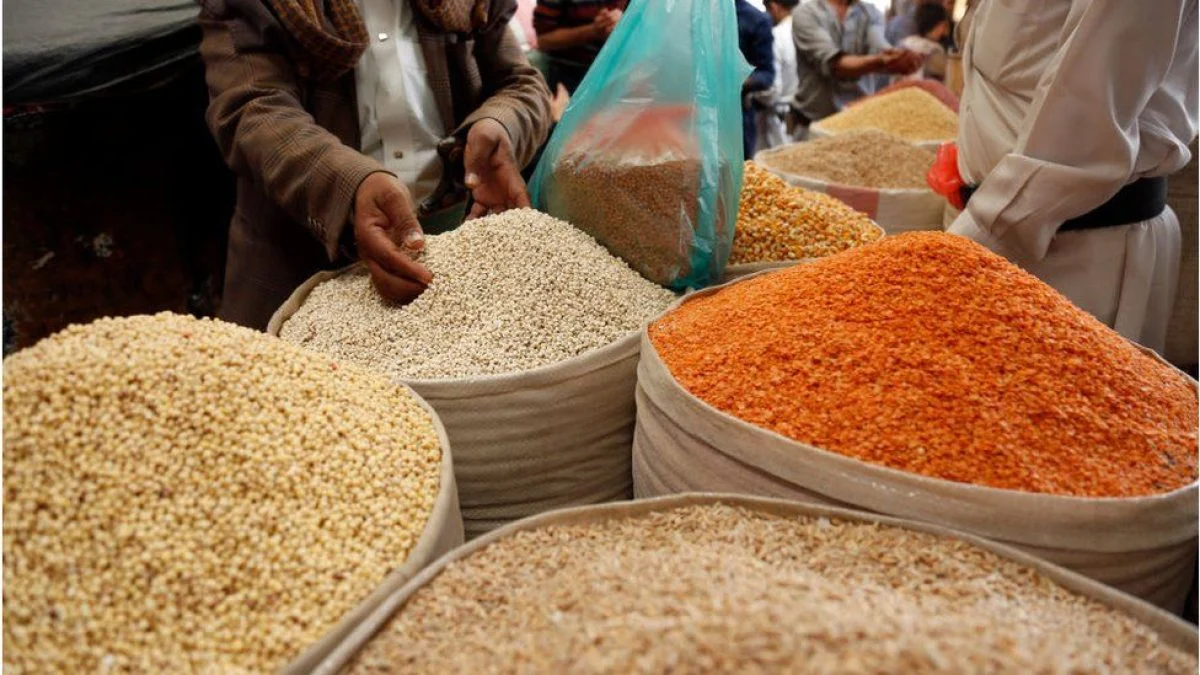
For some families in Yenagoa, the Bayelsa State capital, providing three meals a day has become a struggle as rising food prices force parents to reduce food portions, skip meals and divert money meant for other household needs to feeding.
Mrs Deborah Tuleh, a civil servant, said the situation had changed how her family ate, explaining that there were days when the children had breakfast but skipped lunch, then ate again in the evening.
At other times, she said the family skipped breakfast to save enough food for later in the day. The rising cost of food had also forced the households to cut spending on clothes, entertainment and other non-essential items.
Tuleh said even little increases in food prices affected the family budget. According to her, an item could become N100, N200 or N500 more expensive within a short period, making it difficult to plan household spending.
She added that the family sometimes replaced meat with eggs or used only crayfish to prepare meals when it could not afford other protein sources. On some occasions, money meant for food had to be reserved for medicines or other urgent needs.
The pressure is also affecting children’s welfare. Tuleh said parents sometimes had to choose between buying food and providing school necessities such as exercise books, pencils, socks and repairs to school bags.
Florence Doni, a food items retailer from Ekeremor local government area, said rice and cooking oil had become more expensive. She said a custard of rice that previously cost N5,500 now sold for N6,000, while a bottle of cooking oil had risen from N1,500 to N2,000.
Doni said she had tried to keep prices as low as possible, but the cost of replacing her stock made it difficult to maintain earlier prices. She added that some customers now searched for cheaper alternatives and bought smaller quantities to manage their budgets.
“The high prices affect my business because customers now look for cheaper alternatives,” she said, explaining that she had to consider the cost of buying new stock before setting her selling prices.
Happiness Macaulay, who sells bole, fish and beans, said higher fish and charcoal prices had increased the cost of running her business and preparing food. She said a carton of fish that previously cost between N80,000 and N84,000 now sold for about N95,000.
The price of charcoal had also risen sharply, according to Macaulay. A bag that formerly cost between N8,000 and S12,000 now sold for between N17,000 and N18,000.
She attributed the increases partly to fuel costs, which she said affected the prices of goods transported to market.
Macaulay said customers who previously spent between N1,000 and N2,000 on food may now need N3,000 to N4,000 to eat and feel satisfied. She added that some customers had reduced the quantity they bought, with people who previously bought three to five plantains now settling for one and a small quantity of beans.
The change has also affected her customer base, she said, as some people who can no longer afford to eat outside now prefer to cook at home.
“We are managing as best as we can. At least, half a loaf of bread is better than nothing,” she said, appealing to the government to support roadside food sellers and other small businesses and address the cost of fuel.
Restaurant operators are also grappling with higher ingredient prices, with some increasing the cost of prepared meals to cover their expenses.
Rebecca, a restaurant owner in Yenagoa, said the prices of fish and other ingredients used to prepare soups had increased in recent months. She said the fish needed for okazi soup, which previously cost between N2,000 and N3,000, could now cost about N7,000.
She added that a plate of egusi soup, which formerly sold for N1,200, now costs N1,500, while okazi soup has risen from N1,500 to N2,500 per plate.
Rebecca said the higher cost of ingredients had forced her to raise prices on several meals, including native soup, vegetable soup, and egusi soup. However, she said her customers had continued to buy their usual quantities despite the increases.
Her experience differs from Macaulay’s account of customers buying less food or choosing to eat at home, showing that the effect of rising prices varies among the businesses interviewed.
The accounts from households, food sellers and restaurant operators point to the pressure rising food costs are placing on family budgets and the businesses that supply daily meals in Yenagoa.
For Tuleh’s family, the impact goes beyond what is served at the table. The household has had to reduce spending on protein, medicines, clothes and school supplies to manage food costs, while sellers say they must charge more to cover the cost of replacing their stock.
We’ve got the edge. Get real-time reports, breaking scoops, and exclusive angles delivered straight to your phone. Don’t settle for stale news. Join LEADERSHIP NEWS on WhatsApp for 24/7 updates →
Join Our WhatsApp Channel