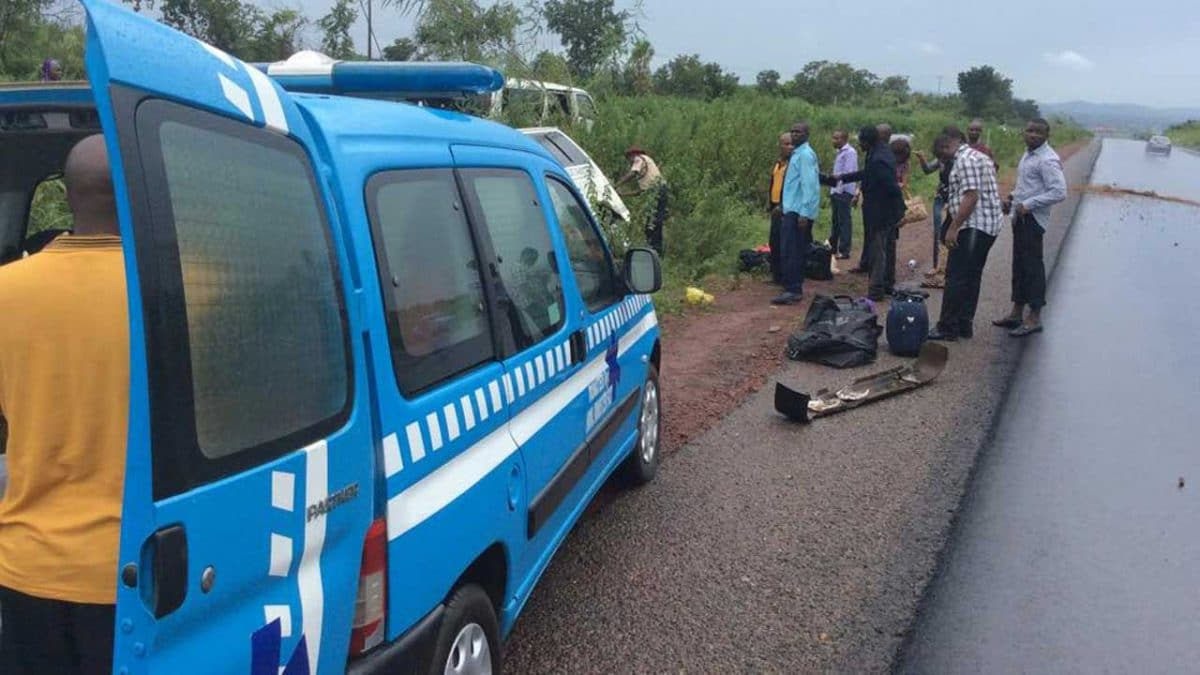
The statistics from the Federal Road Safety Corps (FRSC) are not just numbers—they represent shattered families, stolen futures, and dreams buried on Nigeria’s highways. Over 3,400 people were killed in crashes between January and September 2025. The 5,421 fatalities recorded in 2024 marked a seven per cent increase from 2023, despite a 10 per cent reduction in total crashes. Behind these figures lies a story of preventable tragedy enabled by systemic failure in enforcement, technology deployment, and accountability.
The causes of these deaths are neither mysterious nor new: overspeeding, driver fatigue, overloading, dangerous driving, and poor vehicle maintenance. Year after year, these same causes yield the same tragic results. Yet authorities respond with brief awareness campaigns and sporadic enforcement operations that do little to address the root of the crisis—drivers who kill people on Nigerian roads rarely face meaningful consequences.
A hard question demands an honest answer: What happens to drivers who kill through reckless driving? Has anyone been jailed for overspeeding and causing death? When a commercial driver, racing against time, loses control and kills passengers, is he prosecuted for manslaughter—or fined and quickly returned to the road? The truth is painful: Nigeria has systematically failed to hold killer drivers accountable. The message this sends is devastatingly clear—human life is cheap.
The current system treats road deaths as “accidents,” not crimes. However, a driver who knowingly speeds, drives while exhausted, or overloads a vehicle makes deliberate choices that put human life in danger. These are not accidents; they are acts of criminal negligence. Until Nigeria establishes a legal framework that sends such drivers to prison, not just traffic school, the carnage will continue.
In the opinion of this newspaper, the solution must combine technology, regulation, and criminal accountability. The first critical step is to make speed limiters mandatory for all commercial vehicles. This single policy could curb the primary cause of road fatalities—excessive speed—by removing human indiscretion from the equation.
Speed limiter technology is proven, affordable, and widely used in countries that value road safety. Commercial buses, tankers, and trucks should be required to install certified limiters calibrated to safe maximum speeds. For intercity highways, 100 km/h is sufficient. Within cities, a speed limit of 50–60 km/h would drastically reduce both crash frequency and severity.
The Federal Capital Territory (FCT) should lead the way by requiring speed limiters for all commercial vehicles in Abuja. Such a pilot scheme would demonstrate feasibility and provide data for nationwide rollout. Vehicles without certified limiters should not receive operational licenses or roadworthiness certifications.
Technology must also make enforcement consistent and incorruptible. Nigeria should deploy automated speed cameras linked to vehicle registration databases along major highways and city corridors. These systems detect violations, capture license plates, and automatically issue fines—no police officer required.
Unlike manual enforcement, cameras never sleep, never take bribes, and never discriminate. Fines should be automatically attached to vehicle registrations, with renewals blocked until the fines are paid. This closes the corruption gap while creating strong incentives for compliance.
Speed limits themselves must be clear, visible, and enforced. Expressways should have defined limits with graduated enforcement zones; urban areas should have lower limits—especially near schools, hospitals, and residential neighbourhoods. The current culture of ignoring limits must come to an end. Technology-enabled enforcement can make violations costly and compliance automatic.
Technology, however, cannot replace justice. Nigeria must reform how the legal system treats road deaths. The law must clearly define causing death through reckless driving—by speeding, fatigue, overloading, or driving unroadworthy vehicles—as manslaughter punishable by prison. Drivers must understand that taking a life through negligence means jail, not a small fine.
The FRSC, police, and judiciary should collaborate to ensure airtight prosecution of offenders. Only visible convictions and consistent imprisonment will deter others.
Insurance systems can reinforce deterrence. Drivers and transport firms with repeated violations should face sharply higher premiums or suspension from operation. Transport unions must take responsibility for their members; when a commercial driver kills passengers, the company should face civil liability alongside the driver’s criminal trial. Such shared accountability forces operators to screen drivers, maintain vehicles, and enforce internal safety standards.
The FRSC has done well in gathering data and diagnosing causes. But the nation now needs action—firm, consistent, and technology-driven. Mandatory speed limiters, automated enforcement, and genuine criminal accountability are not optional; they are urgent moral imperatives.
Every month of delay costs 300–400 lives. Each death leaves behind a family grieving because the system refused to act. It is no longer enough to preach caution or launch “ember month” campaigns. The time for slogans has expired.
Nigeria must now build permanent systems that make speeding physically impossible for commercial drivers, make violations financially painful through automation, and make killing through reckless driving legally catastrophic. When drivers understand that a single act of negligence could cost them their freedom—not just their earnings—the highways will finally begin to claim fewer lives.
We’ve got the edge. Get real-time reports, breaking scoops, and exclusive angles delivered straight to your phone. Don’t settle for stale news. Join LEADERSHIP NEWS on WhatsApp for 24/7 updates →
Join Our WhatsApp Channel