
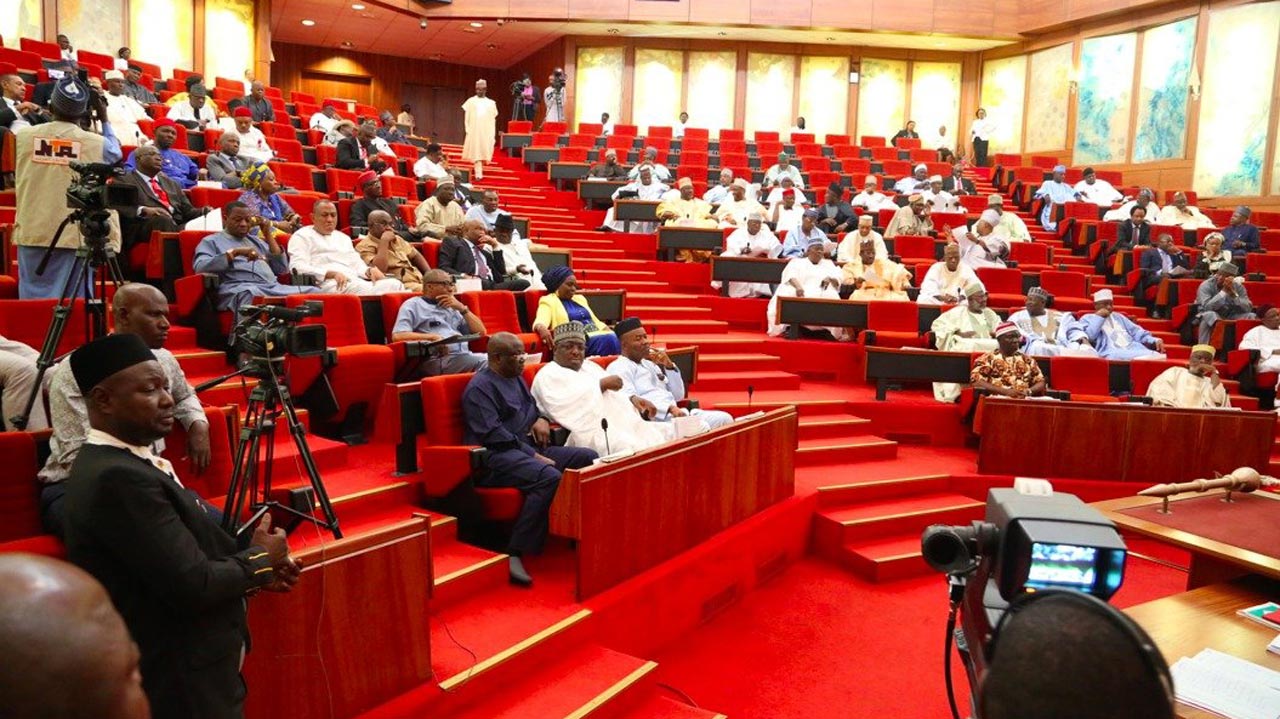
The Centre for the Promotion of Private Enterprise (CPPE) has warned that the Senate’s proposed ban on textile fabric imports could trigger mass job losses and disrupt Nigeria’s N17 trillion fashion and furniture ecosystem.
The Centre expressed concerns regarding the Senate’s recent resolution calling for a ban on textile fabric imports, urging a more balanced approach to rejuvenating Nigeria’s textile industry. The proposal could inadvertently disrupt vital supply chains and threaten jobs within the N10 trillion garment and N7 trillion furniture sectors.
The director-general of CPPE, Dr Muda Yusuf, stated this in a statement titled, “Senate’s Textile Import Ban Resolution: A Call for Thoughtful Reform’.
Acknowledging the importance of reviving Nigeria’s textile industry, Yusuf emphasised that a blanket import prohibition is unlikely to bring about the desired results.
“Rather than fostering growth in the textile industry, the proposed ban could lead to unintended consequences that may affect downstream industries and the livelihoods of millions,” Yusuf explained.
He highlighted the need for a broader perspective when addressing the challenges facing the textile sector, advocating for policies that enhance competitiveness rather than solely restrict imports, saying that “a successful industrial policy should not only focus on limitations but also tackle the underlying issues that hinder performance.”
Yusuf noted that the fashion, garment-making, and tailoring sector is significantly more expansive than the textile manufacturing segment, valued at approximately N10 trillion and providing jobs for an estimated ten million Nigerians. This sector is a cornerstone of Nigeria’s creative economy.
He pointed out that “textile fabrics play a crucial role in the burgeoning furniture and interior design industry, which is valued at around N7 trillion. A disruption in supply could elevate production costs and diminish the sector’s overall competitiveness.”
He attributed the decline of Nigeria’s textile industry to long-standing structural issues, including high energy costs, insufficient access to long-term financing, outdated technology, and policy inconsistencies, rather than import competition alone.
He added that despite the existing import tariffs on textiles, which range from 35 per cent to 45 per cent, these measures alone have not restored the industry’s competitiveness, explaining that addressing the symptoms with an import ban without resolving the core issues will not lead to sustainable progress.
To foster a revival of the textile industry, Yusuf called, “for a comprehensive value-chain approach. This includes prioritizing the restoration of domestic cotton production, addressing the challenges faced by farming communities, and ensuring better access to modern technology and affordable financing.
He also advocated, “for the establishment of a strategic government procurement and textile competitiveness fund to bolster cotton production and enhance border enforcement.”
“Our aim should be to sustainably grow a vibrant garment and fashion ecosystem that provides for millions of Nigerians, all while enhancing domestic value addition,” he stated.
We’ve got the edge. Get real-time reports, breaking scoops, and exclusive angles delivered straight to your phone. Don’t settle for stale news. Join LEADERSHIP NEWS on WhatsApp for 24/7 updates →
Join Our WhatsApp Channel