… As Edun demands urgent reform of IMF, W/Bank
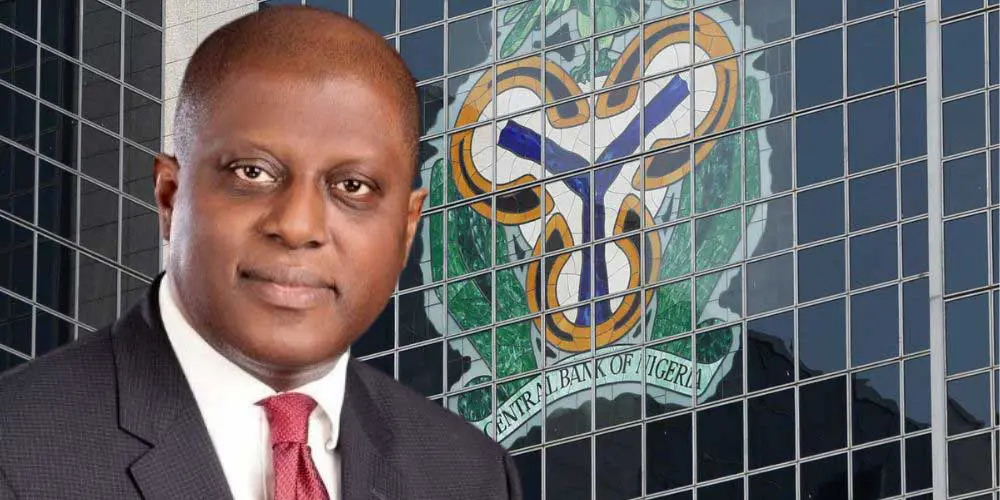
Governor of the Central Bank of Nigeria, Olayemi Cardoso, has warned that slow and costly cross-border payment systems are restricting millions from fully participating in the global economy.
Speaking at the G-24 Technical Group Meetings in Abuja, Cardoso said inefficient payment channels remained a major barrier to inclusive growth and economic transformation across emerging market and developing economies.
He stressed that an economy could not be more inclusive than its payment system.
“If people cannot move money easily, affordably and safely across borders, they cannot fully participate in modern economic life,” he said.
This is as minister of Finance and coordinating minister of the Economy, Wale Edun, has called for urgent reform of the Bretton Woods institutions (International Monetary Funds and World Bank), warning that rising global fragmentation is undermining growth prospects for emerging market and developing economies (EMDEs).
Speaking at the event, Edun said the global economy was experiencing “measured resilience but constrained ambition,” with structural weaknesses threatening sustainable convergence.
He argued that 80 years after the establishment of the Bretton Woods system, the international financial architecture must be renewed to reflect today’s multipolar and interconnected world.
According to Cardoso, cross-border payments remain too slow, too expensive and too fragmented, particularly for developing countries. Global remittance corridors still cost over six per cent on average, while settlement delays can take several days.
Director and head of secretariat of G-24, Dr Iyabo Masha, urged fiscal and monetary authorities across emerging market and developing economies (EMDEs) to adopt bolder reforms to safeguard macroeconomic stability and drive inclusive transformation. She said growth required deliberate fiscal discipline, credible monetary policy and coordinated multilateral reform.
Speaking to the theme, “Global Economic Outlook and Emerging Market & Developing Economies (EMDEs),” Masha said the current global resilience remained fragile and insufficient to guarantee convergence.
She warned that while inflation had moderated and financial conditions had eased in some advanced economies, vulnerabilities persist for developing countries.
The CBN governor noted that compliance burdens and foreign exchange costs further excluded micro, small and medium enterprises from global trade opportunities. Cardoso described payment reform as not merely technical, but a macroeconomic and development priority.
He said the efficiency of remittance, capital and trade flows now formed a critical part of the global financial stability architecture.
The CBN governor highlighted digital innovation as a historic opportunity to address these frictions.
Modern payments infrastructure, interoperable platforms, instant settlement systems and digital identity frameworks, he said, could reduce transaction costs, shorten settlement times and expand access to underserved households and businesses.
On remittances, Cardoso said new instruments including the Non-Resident Nigerian Ordinary Account and the Non-Resident Nigerian Investment Account had expanded diaspora participation.
Remittance inflows now average about $600 million monthly, with expectations of reaching $1 billion in the near term.
However, he cautioned that digital payments also carry risks.
The rise of private digital platforms and stablecoins could weaken monetary transmission, increase foreign exchange volatility and create regulatory fragmentation.
According to Edun, resilience without robustness cannot deliver inclusive and job-rich transformation for developing countries.
Edun noted that although inflation had moderated in many advanced economies and supply disruptions had eased, major divergences persisted.
He warned that disinflation remained incomplete in several jurisdictions and could easily reverse amid fresh supply shocks, climate disruptions or geopolitical tensions.
The minister also highlighted that while global financial conditions had somewhat eased, the cost of capital remained elevated for many developing economies.
Sovereigns and firms in EMDEs, he said, continued to face high spreads, refinancing risks and debt-service burdens well above pre-pandemic levels.
Citing projections from the World Trade Organisation, he expressed concern that global merchandise trade growth for 2026 is forecast at just 0.5 percent, reflecting rising tariffs and persistent uncertainty.
Trade, historically an engine of convergence, is no longer providing the same momentum for developing nations, he said.
Edun further pointed to growing fiscal constraints across EMDEs, noting that debt service is consuming an increasing share of government revenues.
External public debt service reached $487 billion in 2023, according to data from the United Nations Conference on Trade and Development.
He described the situation as a structural financing gap where debt, development and macroeconomic stability are colliding.
The minister stressed that the tightening policy space leaves governments balancing fiscal consolidation, climate investment, social protection and debt sustainability simultaneously.
He warned that uneven financial conditions continue to expose highly indebted countries to abrupt capital flow reversals, as highlighted in recent assessments by the International Monetary Fund.
Beyond immediate risks, Edun identified deeper vulnerabilities, including renewed inflationary shocks in food and energy, trade fragmentation, protracted debt restructurings and erosion of human capital.
He said deteriorating education and health outcomes in low-income countries pose long-term productivity and fiscal risks.
Against this backdrop, Edun urged coordinated reform of the Bretton Woods institutions to ensure a fairer and more inclusive global financial system.
He emphasised that reform should focus on renewal rather than replacement.
According to him, developing countries must have stronger representation in shaping global financial rules and standards.
He called for stronger macroeconomic frameworks at the national level, including credible fiscal and debt sustainability policies and resilient monetary systems.
Expanding domestic resource mobilization, improving public spending efficiency and prioritising climate and human capital investments were also highlighted as essential pillars for transformation.
Edun said growth alone will not guarantee convergence.
Deliberate national reforms and multilateral cooperation, he said, are now imperative to safeguard stability and unlock inclusive development.
We’ve got the edge. Get real-time reports, breaking scoops, and exclusive angles delivered straight to your phone. Don’t settle for stale news. Join LEADERSHIP NEWS on WhatsApp for 24/7 updates →
Join Our WhatsApp Channel