Nigeria’s banking sector has entered a new phase of financial strength following the successful completion of a sweeping recapitalisation programme, but concerns remain over whether the gains will translate into improved access to credit for small and medium enterprises (SMEs).
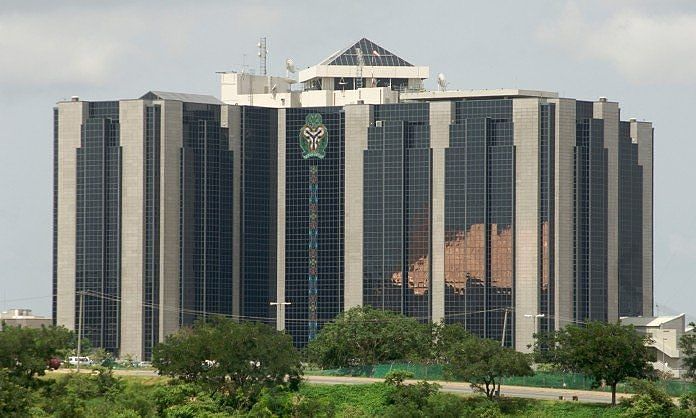
The Central Bank of Nigeria (CBN) confirmed that the 24-month exercise, which ended on March 31, 2026, led to the injection of about N4.65 trillion ($3.38 billion) in fresh capital. A total of 33 banks met the new, higher capital thresholds, significantly improving their capacity to withstand economic shocks and support key sectors.
According to the apex bank, the recapitalised institutions are now better positioned to finance SMEs, agriculture, export-oriented businesses and critical infrastructure.
The exercise also recorded strong domestic participation, with 72.55 per cent of the funds raised locally, reflecting renewed investor confidence in the financial system.
Leading lenders, including United Bank for Africa (UBA), have indicated that the strengthened capital base will be channelled toward expanding SME financing, deepening financial inclusion and supporting long-term development projects.
The development comes amid signs of improving macroeconomic stability. In a policy brief, the Centre for the Promotion of Private Enterprise (CPPE) noted that inflation eased to 15.06 per cent in February 2026, continuing a steady decline from over 24 per cent recorded in early 2025. Exchange rate stability also improved, with the naira trading within a relatively narrow band, while external reserves rose above $50 billion.
Economic growth has remained resilient, with real GDP expanding by 4.07 per cent year-on-year in the fourth quarter of 2025, bringing full-year growth to 3.87 per cent. The Monetary Policy Committee’s decision to reduce the policy rate to 26.5 per cent in February signals a cautious shift toward easing to support economic activity.
Despite these positive indicators, stakeholders warn that the real impact of the recapitalisation will depend on how effectively banks deploy the new capital—particularly to SMEs, which remain critical to Nigeria’s economic structure.
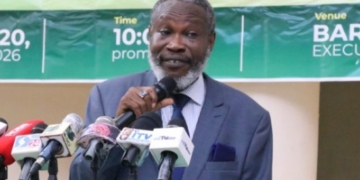
Chief Executive Officer of CPPE, Muda Yusuf, noted that while the exercise has strengthened the banking sector, access to credit for small businesses remains a longstanding challenge. SMEs account for more than half of Nigeria’s GDP but historically receive only about 1% of total bank lending.
“The recapitalisation enhances resilience, but it does not automatically resolve the structural issues affecting credit delivery,” Yusuf said, stressing the need for more efficient financial intermediation.
Businesses continue to face high borrowing costs, weak consumer demand and persistent structural constraints. Energy costs remain elevated due to unreliable electricity supply, forcing many firms to depend on diesel and petrol generators. Insecurity in key agricultural regions is also disrupting food production and supply chains, sustaining inflationary pressures.
The CPPE described the situation as a clear disconnect between improving macroeconomic conditions and the realities faced by businesses on the ground.
Looking ahead, analysts say the banking sector’s strengthened position offers significant potential for economic growth, but risks remain. Rising global oil prices, now above $100 per barrel amid geopolitical tensions, could drive up domestic fuel and transportation costs, potentially reversing recent gains in price stability.
While the outlook for exchange rate stability remains cautiously optimistic, supported by strong reserves and improved liquidity, uncertainties tied to global developments and investor sentiment persist.
Ultimately, the success of the recapitalisation exercise will be measured not by the volume of capital raised, but by its impact on the real economy. For SMEs and other productive sectors, the expectation is clear: easier access to credit that can drive growth, create jobs and sustain recovery.
For now, banks are stronger and better capitalised. Whether that strength translates into tangible support for small businesses remains the critical test for Nigeria’s financial system in 2026.
We’ve got the edge. Get real-time reports, breaking scoops, and exclusive angles delivered straight to your phone. Don’t settle for stale news. Join LEADERSHIP NEWS on WhatsApp for 24/7 updates →
Join Our WhatsApp Channel